
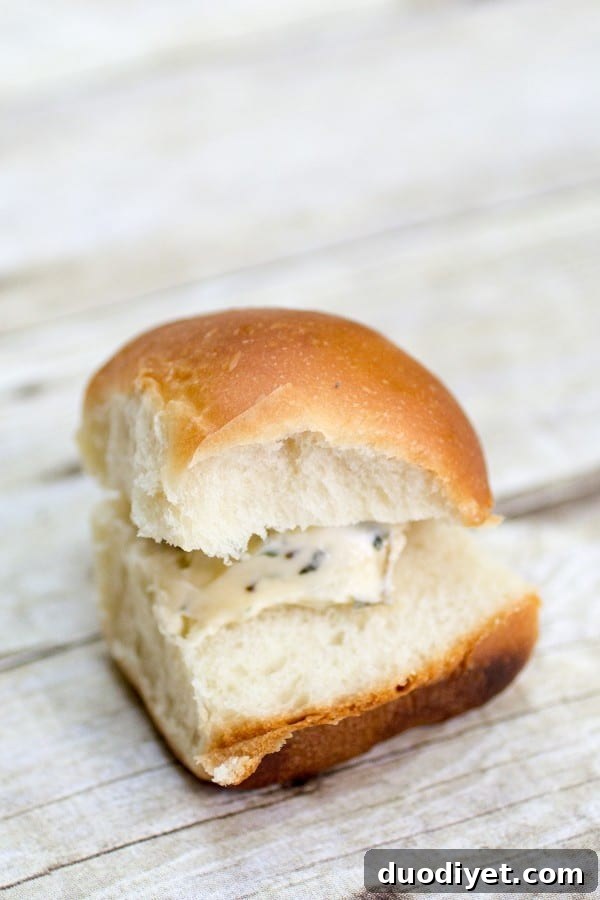
Homemade Milk Rolls are my absolute favorite rolls to bake. They come out soft, rich, and pillowy, yet sturdy enough to hold sandwich fillings or to serve alongside a hearty soup.
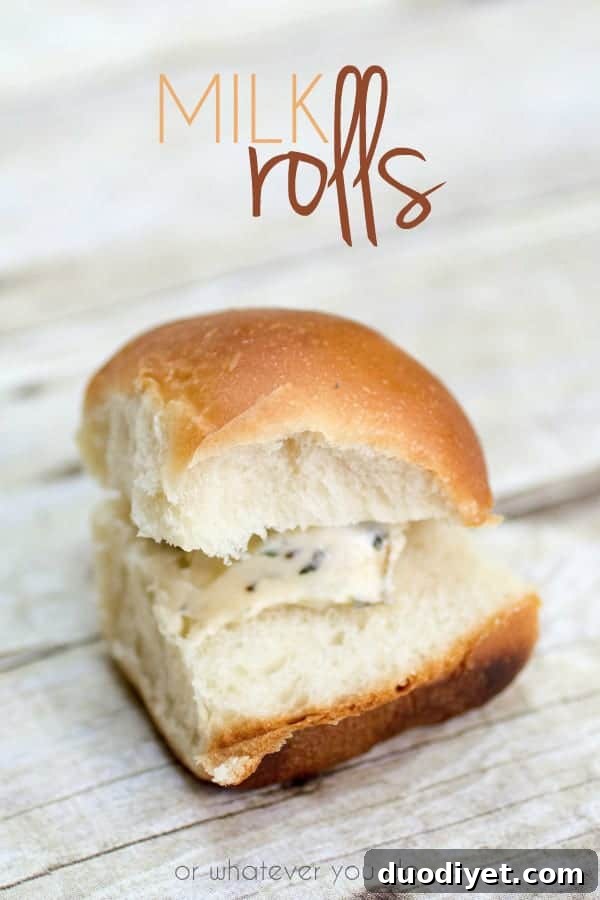
Homemade Milk Rolls
These milk rolls have become my go-to for holidays and special dinners. The dough uses milk for extra richness, producing a tender crumb and a golden, slightly sweet crust that tastes like fresh bakery bread. They pair beautifully with soups, roasted meats, and any meal that benefits from a soft, buttery roll.
At our house, Christmas isn’t complete without homemade bread. We also always have a big pot of clam chowder made by my mother-in-law on Christmas Eve—an old family tradition that everyone looks forward to. On Christmas Day we usually serve prime rib, which makes these rolls ideal for soaking up gravy and juices.
This soup would be great with Bread Sticks!
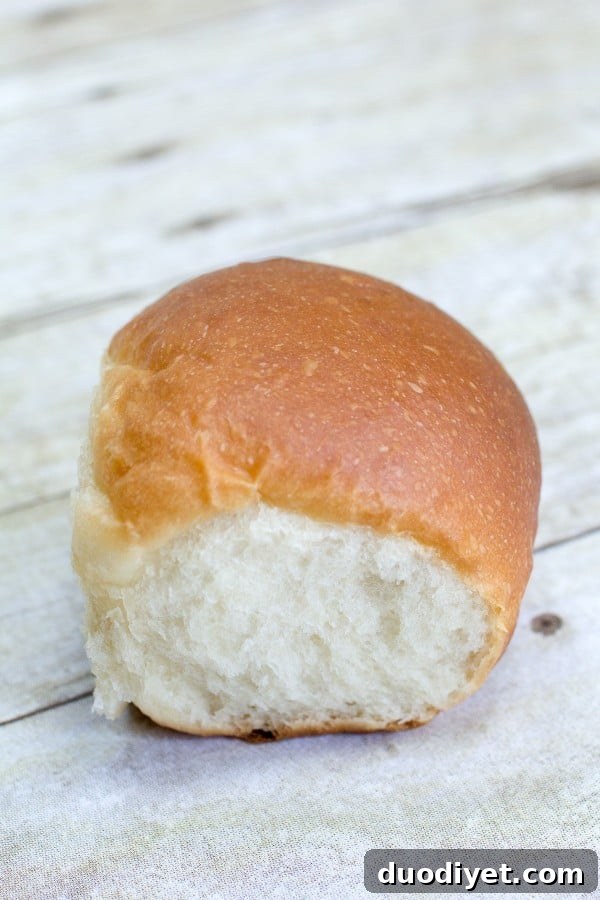
I’ve tested and adjusted this recipe several times and finally arrived at a version that consistently produces fluffy, flavorful rolls. They bake up light and tender, with a slightly sweet, milk-forward flavor that tastes like comfort and celebration. Below you’ll find tips for best results, ingredient amounts, and step-by-step instructions so you can reproduce them at home.
Other bread recipes you may like
- Pretzel Rolls
- Caramel Rolls
- Garlic Bread Sticks
I usually use a stand mixer for dough like this because it speeds up kneading and gives a consistent result. That said, you can make these by hand—expect much longer kneading time. The critical factor is developing the gluten until the dough becomes soft, elastic, and only slightly tacky.
If you’re considering a stand mixer and you bake frequently, it’s a worthwhile investment. It drastically reduces hands-on time for recipes that require extended kneading.
A simple storage tip for bakers: keep yeast in the refrigerator, and if you buy it in bulk, store the extra in the freezer. Proper storage helps preserve its activity and keeps your dough rising reliably.
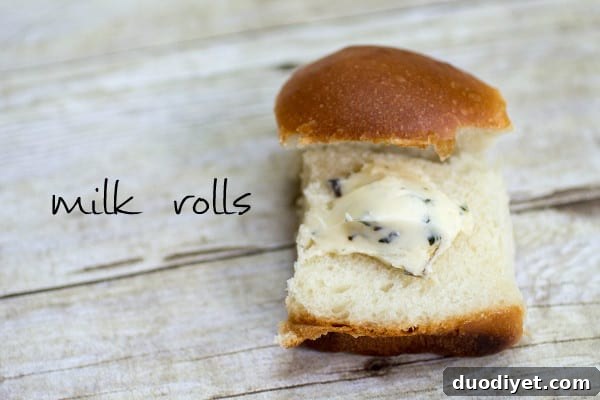
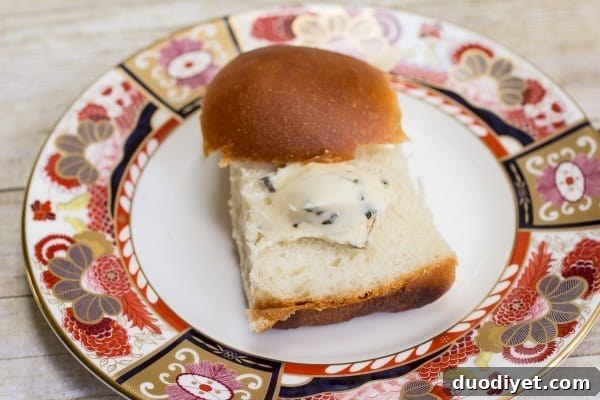
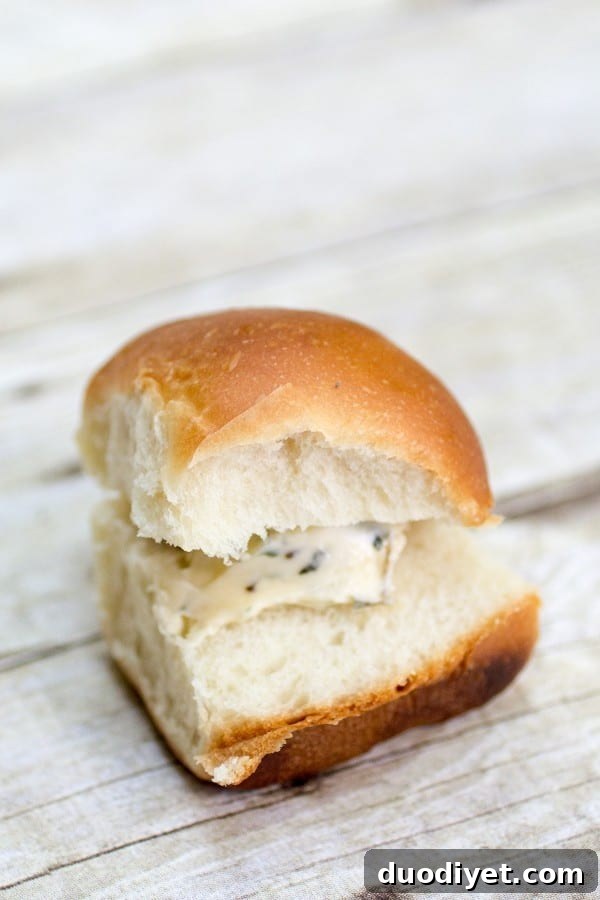
These rolls are excellent with a simple herbed compound butter, but plain butter, honey, or jam are lovely as well. I also use this same dough for stuffed rolls and pizza poppers—the texture adapts well to fillings.
What to serve with fresh milk rolls
- Pork roast with gravy
- Grilled or roasted chicken
- Slow-cooked sloppy joes
- Beef stroganoff or rich soups
- Buttermilk oatmeal bread or honey wheat oatmeal rolls for variety
Milk Rolls

Tender, homemade rolls made with milk for extra richness—soft inside with a lightly golden crust. Perfect for holidays, dinner parties, or any meal that needs a comforting bread.
30 minutes
2 hours
35 minutes
3 hours 5 minutes
Ingredients
- 4 cups milk
- 4 teaspoons yeast
- 1.5 tablespoons salt
- 3/4 cup sugar
- 1 1/4 cup oil
- 1/2 cup buttermilk powder
- Approximately 10 cups flour (start with less and add until the dough forms)
Instructions
- Warm the milk gently until lukewarm. If using a microwave, heat in short bursts and check frequently—milk should feel slightly warm to the touch but not hot. Stir in the yeast to dissolve evenly.
- In the mixing bowl, combine the milk and yeast mixture with the salt, sugar, and oil. Attach the dough hook if using a stand mixer.
- Whisk together the buttermilk powder and most of the flour. Begin adding the dry mixture to the wet mixture with the mixer running on low, until a shaggy dough forms and the sides of the bowl begin to clear.
- Increase the mixer speed to medium-high and knead for 5–10 minutes more, until the dough is soft, smooth, and elastic. The dough should be slightly tacky but not overly sticky. If kneading by hand, expect to knead 30–40 minutes to reach the same level of gluten development.
- Transfer the dough to an oiled bowl, cover with a clean towel or plastic wrap, and let rise in a warm, draft-free place until doubled in size, about 1–2 hours. For deeper flavor, cover and refrigerate to rise slowly overnight.
- Punch the dough down gently and divide into equal portions for individual rolls. Shape each piece into a smooth round by folding the dough under itself and pinching to seal the bottom. Arrange rolls on a baking sheet lined with parchment paper or lightly greased, spacing them to allow expansion.
- Let the shaped rolls rise again until doubled, roughly another 1–2 hours depending on ambient temperature and whether the dough was chilled.
- Preheat the oven to 350°F (175°C). Bake the rolls until they are evenly golden brown on top—baking time varies with pan arrangement and oven, so begin checking around 15–20 minutes for smaller rolls and up to 35 minutes for packed trays.
- Remove rolls from the oven and immediately brush tops with butter for a soft, flavorful finish. Cool slightly before serving.
Notes
If kneading by hand, the dough will feel slightly sticky at first. Add small amounts of flour as needed and continue kneading until the dough is smooth and elastic—this can take 30 minutes by hand. When using a mixer, be careful not to over-flour; the dough should remain soft and pliable.
For best texture and flavor, allow the dough to rise slowly in the refrigerator overnight. Bring it back to room temperature before shaping and proofing for the final rise.
Nutrition Information:
Yield: 24
Serving Size: 1 roll
Amount per serving (estimate):
- Calories: 350
- Total Fat: 13g
- Saturated Fat: 1g
- Cholesterol: 5mg
- Sodium: 432mg
- Carbohydrates: 50g
- Fiber: 2g
- Sugar: 8g
- Protein: 8g
Nutrition data is an estimate. If you need precise nutrition numbers for medical reasons, consult a trusted nutrition source or calculator.