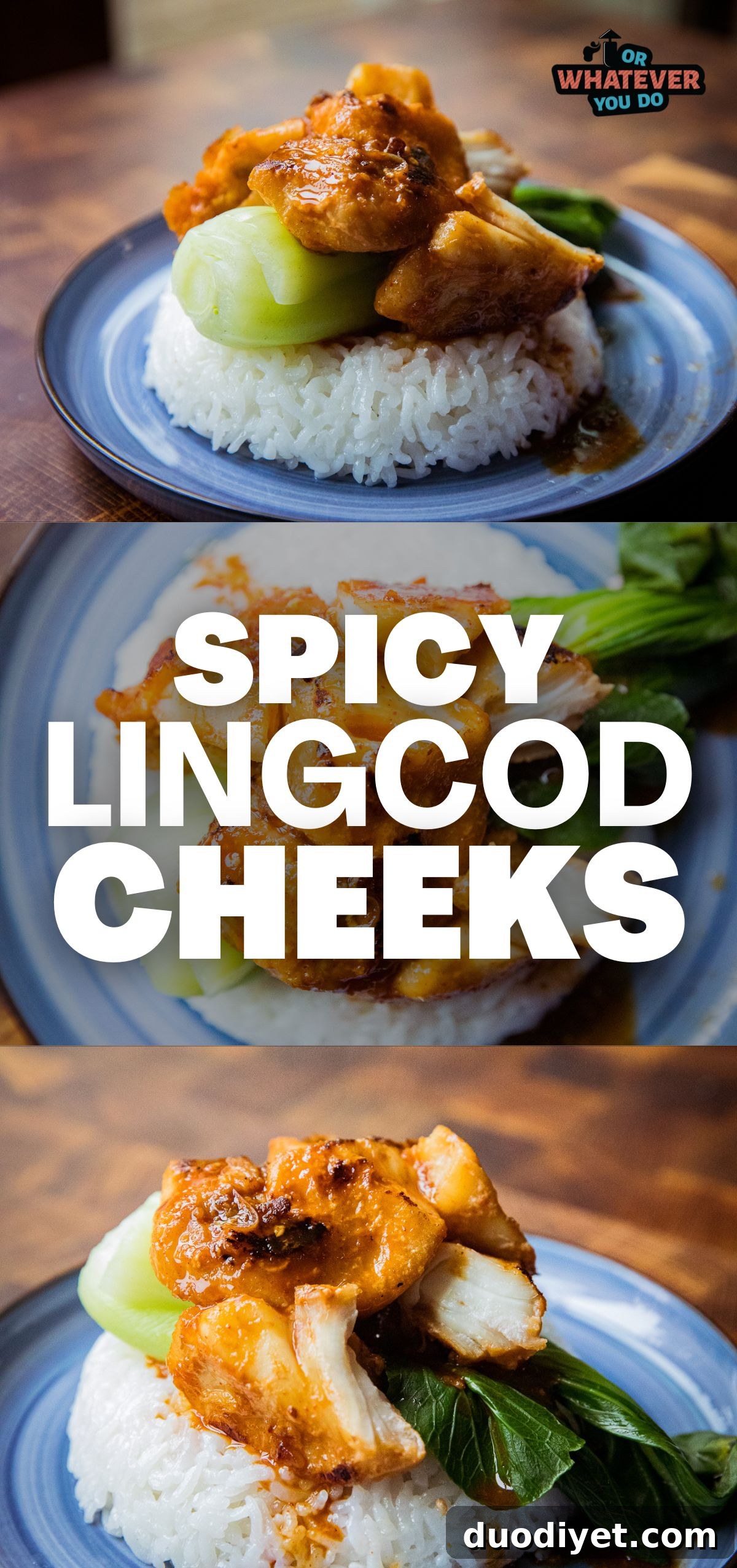
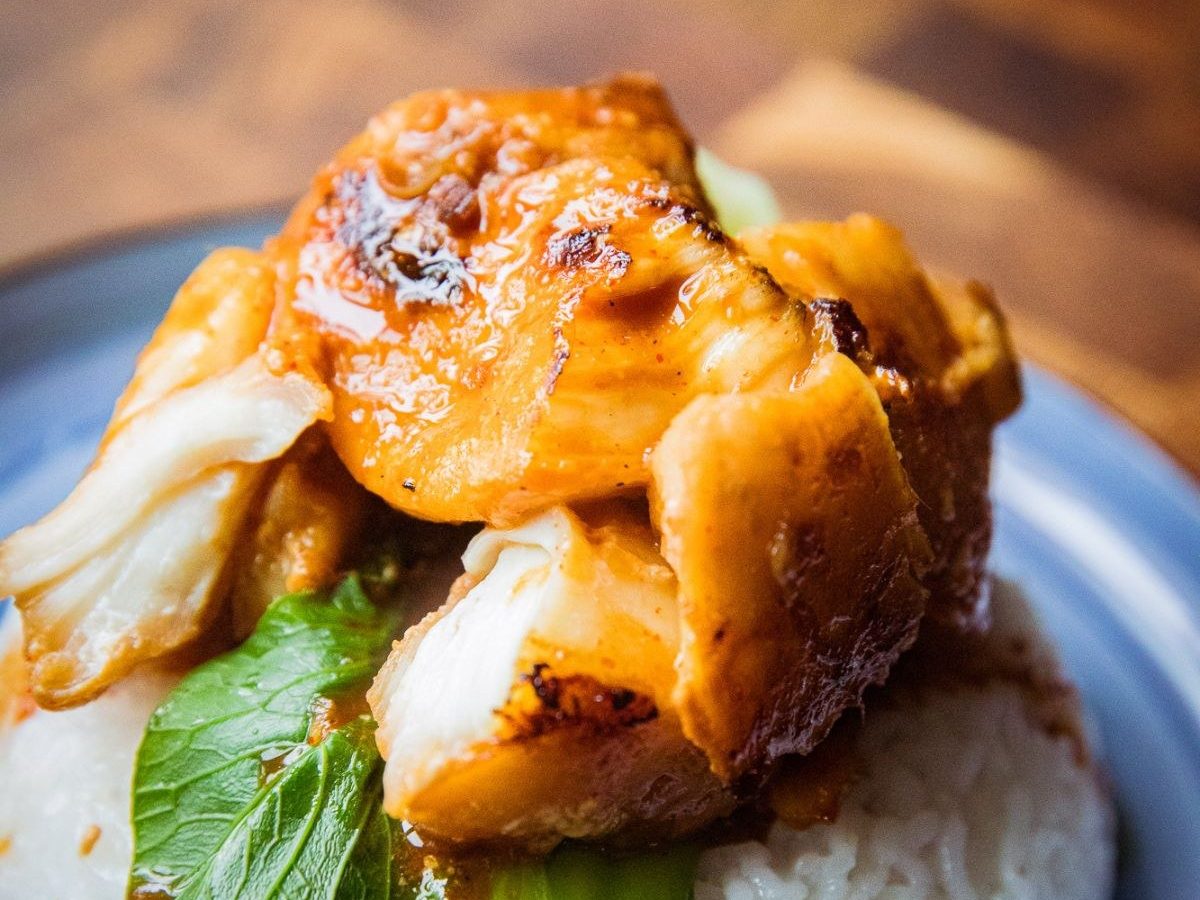
This spicy Asian-style sous vide lingcod cheeks recipe layers bold, aromatic flavors—soy, pineapple, garlic, ginger, and sriracha—to create a sweet-tangy, umami-forward marinade that soaks into the fish. Cooking the cheeks sous vide at a controlled temperature gives consistently tender, flaky results while locking in moisture and flavor.
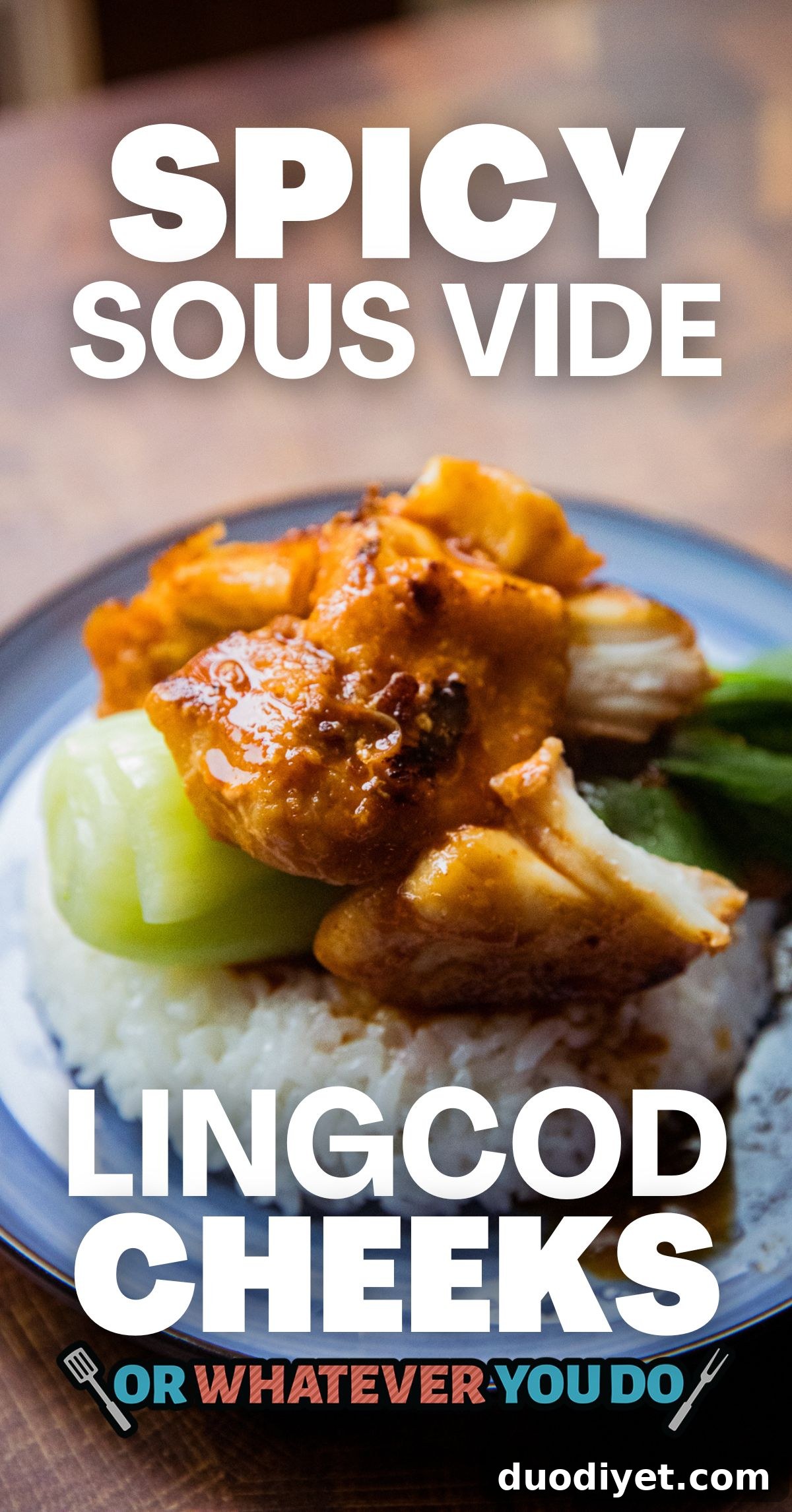
Spicy Asian-Style Sous Vide Lingcod Cheeks
Lingcod cheeks are an often-overlooked, incredibly tender cut of fish. When filleted and cooked properly they deliver a rich, meaty bite that pairs beautifully with a bright, balanced marinade. This recipe keeps things simple: a quick mix of soy sauce, brown sugar, pineapple juice, garlic, crushed ginger, sriracha, and a touch of oil becomes the marinade that seasons the cheeks before they spend a few hours in the sous vide bath at 145°F. The result is juicy, perfectly cooked seafood with vibrant flavor and a pleasing texture.
Vacuum sealing or using the water-displacement method with a resealable bag seals the marinade around the fish so every piece absorbs the flavor. Because the sous vide maintains an exact temperature, you won’t risk the dry, overcooked texture that can happen with traditional methods. This makes the recipe great for entertaining and meal prep: it scales easily and can be held warm before serving.
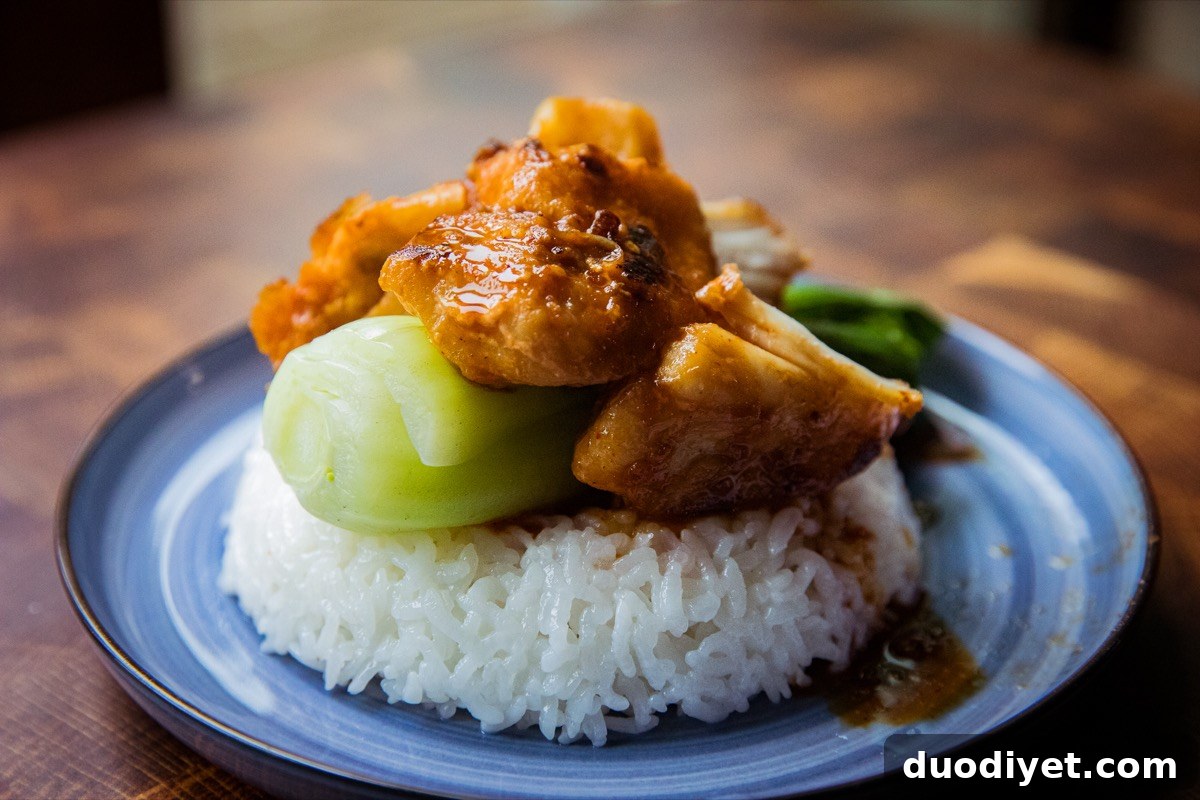
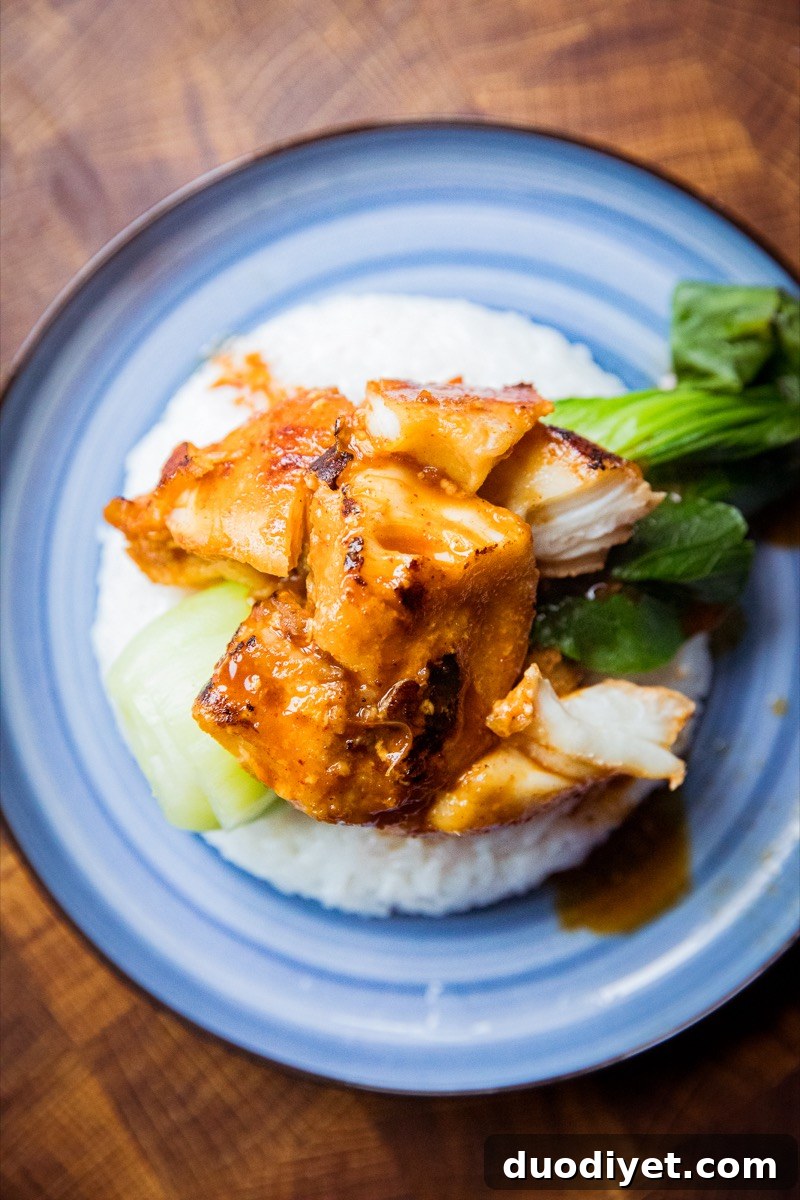
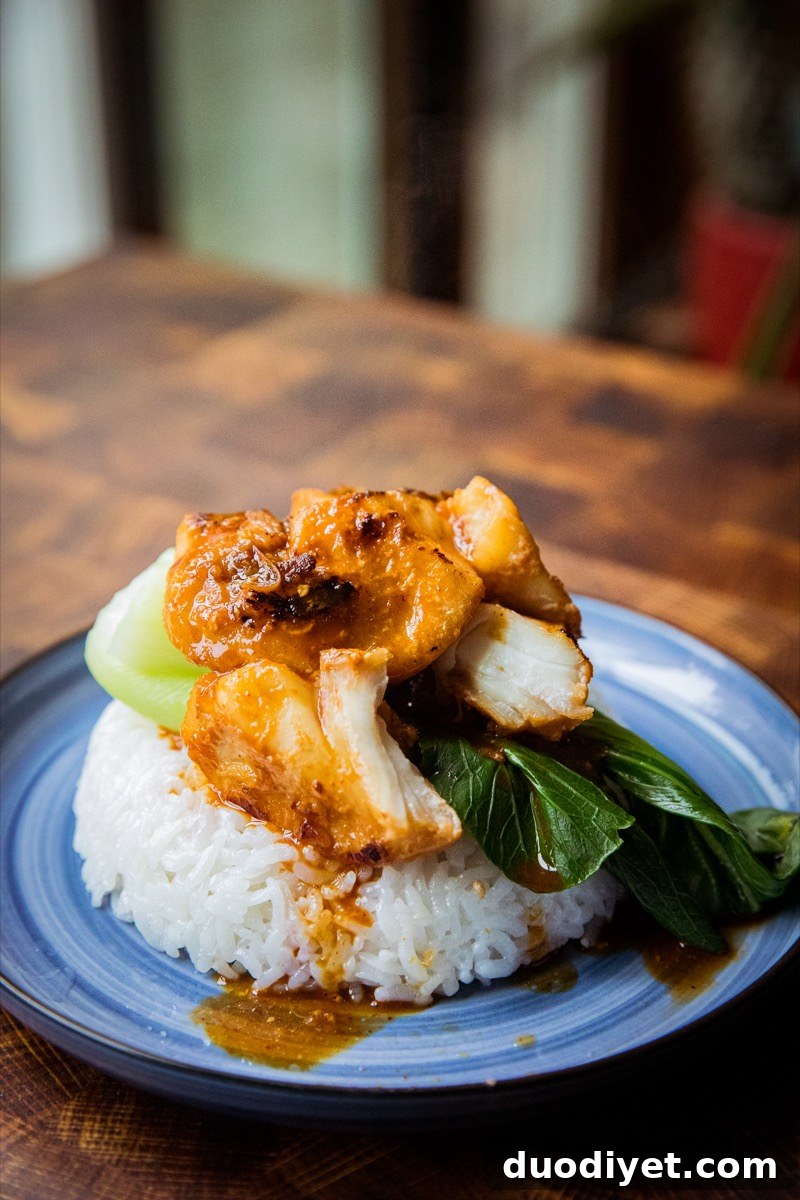
Serve the cheeks over steamed rice to catch every drop of the sauce. A final garnish of chopped cilantro and green onion brightens the dish and adds fresh color. With a few straightforward steps and reliable sous vide technique, you can prepare restaurant-quality seafood at home.

Why You’ll Love This Dish
- Juicy, consistent results – Sous vide keeps the cheeks tender and evenly cooked every time.
- Bold, balanced marinade – Sweet, spicy and savory notes keep each bite interesting.
- Hands-off cooking – Minimal active prep; the water bath does the work while you relax or prepare sides.
- Scales well – Easy to increase quantities for guests or meal prep.
- Versatile leftovers – Great in rice bowls, tacos, or tossed into noodle dishes.
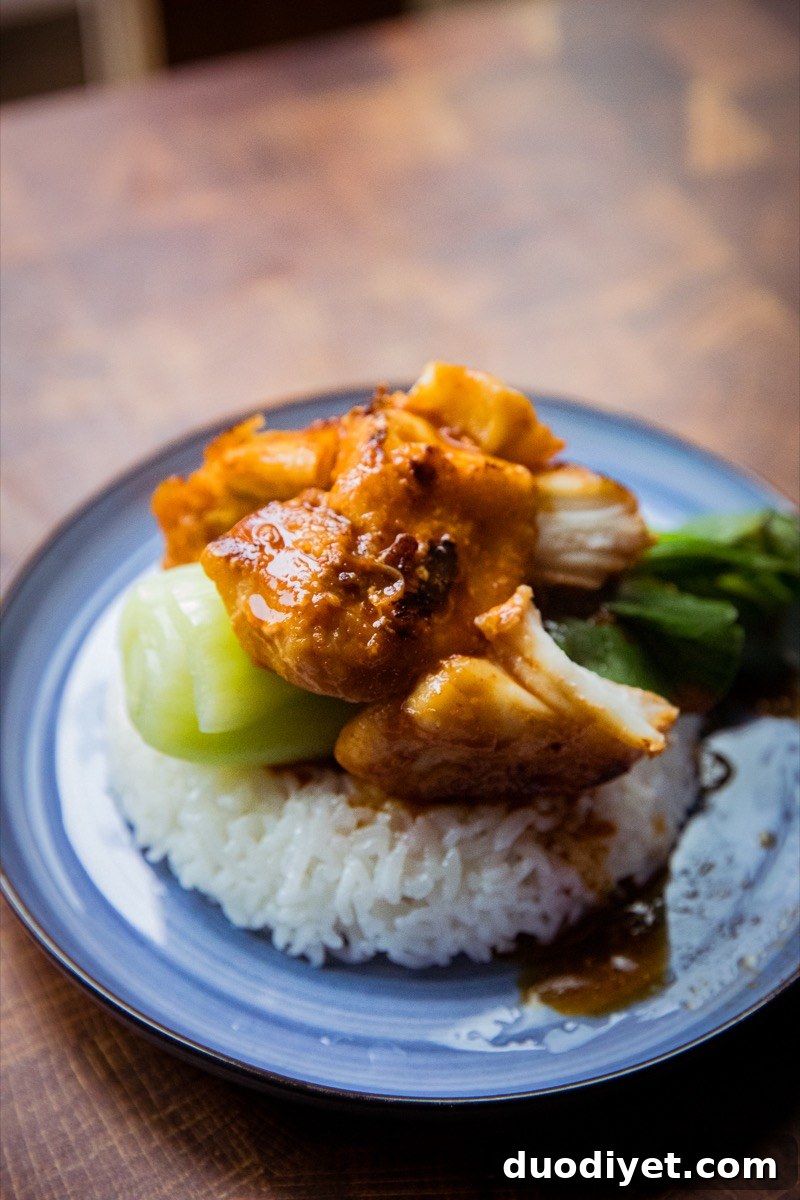
Asian-Style Lingcod Cheeks Shopping List
Below are the ingredients you’ll need for this recipe. Exact amounts and a printable version are included in the recipe card section.
- Lingcod cheeks (cleaned) — tender and meaty, great for marinades.
- Soy sauce — provides saltiness and umami.
- Brown sugar — balances heat with sweetness.
- Pineapple juice — adds brightness and gentle acidity.
- Garlic — thinly sliced or minced for aromatic depth.
- Crushed ginger — offers warmth and subtle spice.
- Sriracha — for heat and tang.
- Crushed red pepper flakes — optional extra heat.
- Neutral oil — helps emulsify the marinade.
- Chopped cilantro — for garnish and fresh herbal notes.
- Chopped green onion — adds mild bite and color.
How To Make Sous Vide Lingcod Cheeks
This overview explains the main steps. For best results, follow the ingredient amounts and full instructions in the recipe card below when you cook.
Recipe Steps
- Combine soy sauce, brown sugar, pineapple juice, sliced garlic, crushed ginger, sriracha, red pepper flakes, and oil in a bowl until the sugar dissolves and the mixture is uniform.
- Place lingcod cheeks into a vacuum-seal bag or a resealable bag rated for sous vide. Arrange pieces in a single layer if possible.
- Pour the marinade into the bag so the fish is evenly coated. Remove as much air as possible using a vacuum sealer or the water-displacement method, then seal the bag.
- Preheat a sous vide water bath to 145°F (63°C). Submerge the sealed bag and cook for 2½ hours.
- When finished, remove the bag from the bath, open it carefully, and transfer the cheeks to a serving dish.
- Serve over steamed rice, spooning remaining sauce from the bag over the fish. Garnish with chopped cilantro and green onion.
FAQ
How should I store leftovers?
Place leftover fish and any sauce in an airtight container and refrigerate. Consume within 2 days for best quality.
Can I reheat this without overcooking the fish?
Yes. Reheat gently in a covered skillet over low heat with a splash of water or leftover sauce to preserve moisture. Alternatively, reheat briefly in a low-temperature oven or in a sous vide bath.
Can I prepare this ahead of time?
Yes. Marinate and seal the cheeks up to a day ahead and refrigerate. Cook in the sous vide when ready to serve.
Are there any substitutions I can make?
If lingcod cheeks are unavailable, use other firm white-fleshed fish such as halibut cheeks or similar cuts. Pineapple juice can be substituted with orange juice for a milder fruity acidity.
Serve This With…
- Steamed Jasmine or Basmati rice — absorbs the flavorful sauce.
- Asian-style cucumber salad — provides a cool, crisp contrast.
- Sesame garlic green beans — adds crunch and completes the plate.
This recipe balances heat, sweetness, and acidity to appeal to a wide range of palates. The sous vide technique ensures dependable texture and allows the marinade to penetrate evenly, making it a reliable and impressive seafood option for weeknights or special occasions.
Recipe Card
Yield: 6 people
Prep time: 20 minutes | Cook time: 2 hours 30 minutes | Total time: 2 hours 50 minutes
Ingredients
- 2 pounds lingcod cheeks
- ¼ cup soy sauce
- ⅛ cup brown sugar
- ¼ cup pineapple juice
- 2 cloves garlic, thinly sliced
- 2 teaspoons crushed ginger
- 1 tablespoon sriracha sauce
- ½ teaspoon crushed red pepper flakes (optional)
- ⅛ cup neutral oil
- 1 tablespoon chopped cilantro (for garnish)
- 1 tablespoon chopped green onion (for garnish)
Instructions
- Mix soy sauce, brown sugar, pineapple juice, garlic, ginger, sriracha, red pepper flakes, and oil until combined.
- Place lingcod cheeks in a vacuum-seal or sous vide-safe resealable bag.
- Pour the marinade into the bag with the fish, remove air, and seal.
- Cook in a preheated sous vide bath at 145°F (63°C) for 2½ hours.
- Remove from the bag, plate over hot steamed rice, spoon remaining sauce over the fish, and garnish with cilantro and green onion.
Nutrition (per serving, approximate)
Calories: 211 | Total Fat: 7g | Saturated Fat: 1g | Cholesterol: 74mg | Sodium: 705mg | Carbohydrates: 7g | Protein: 29g