
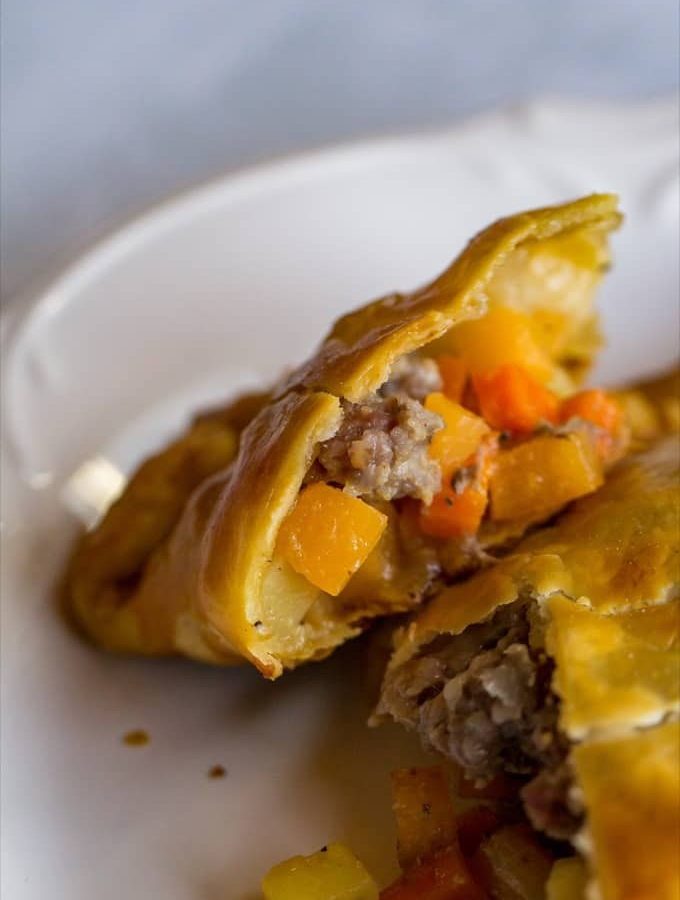
Pellet grill pasties bring a smoky twist to a classic regional favorite. These Cornish-style pasties are filled with a savory mix of ground beef, ground pork, onion, carrot, rutabaga, potato, fresh parsley, butter, and seasoning, all enclosed in a tender flaky crust. This version follows traditional pasty ingredients but is baked on a pellet grill to add a subtle wood-fired flavor.
Pellet Grill Pasties
Pasties originated in Cornwall and Devon, England, where they became a beloved portable meal for miners and workers. Today they’re enjoyed worldwide as a hearty hand pie: a simple, complete meal wrapped in pastry. Cooking pasties on a pellet grill enhances the crust with gentle smoke and produces a beautifully golden exterior.
A pellet grill works like a large outdoor oven, letting you bake at steady temperatures while imparting wood-fired nuance. You can make these pasties on nearly any pellet grill—treat it like an oven set to a moderate temperature and use a heavy baking sheet to protect the bottoms from direct heat.
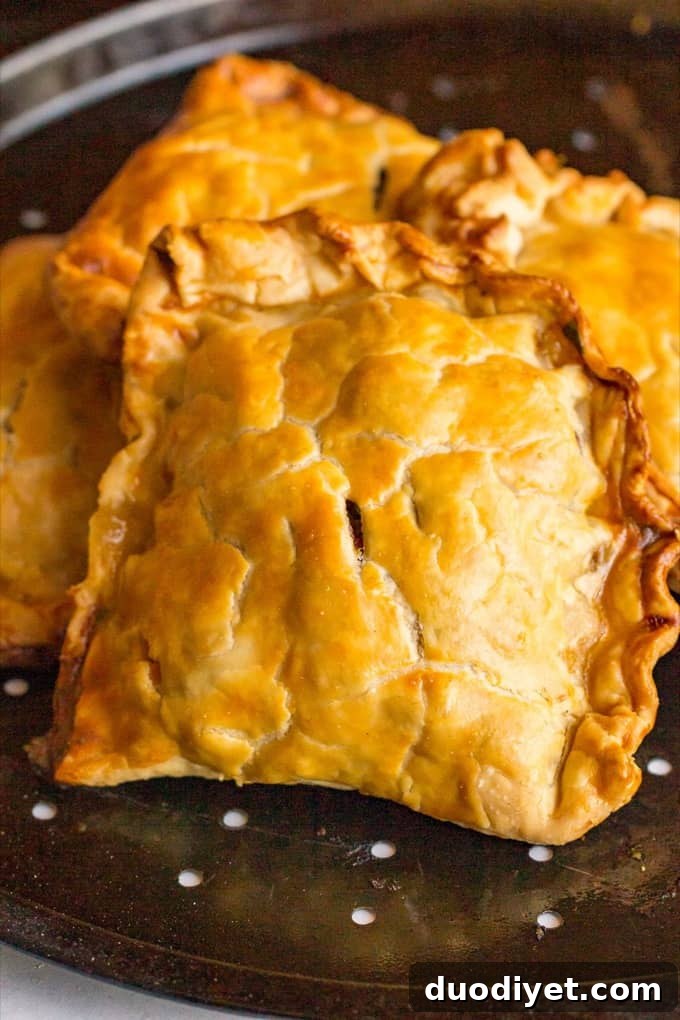
Easy Cornish Pasties on the Pellet Grill
While pasties are traditionally baked in a conventional oven, a pellet grill provides the same dry heat with the added benefit of smoke. Pellet grills are not just for low-and-slow smoking; they can maintain higher temperatures for baking and roasting. Running the grill around 350°F gives you a crisp, golden crust while finishing the filling to a safe internal temperature.
Where Do Pasties Come From?
The pasty has deep roots in British culinary history. It developed in Cornwall and Devon as a practical, portable meal for field and mine workers. Traditional Cornish pasties follow specific regional standards and ingredients, which is why some versions emphasize the inclusion of rutabaga and other root vegetables.
Over centuries, pasties have remained a humble but important element of local cuisine. Today, many cooks adapt the basic formula—meat, vegetables, and pastry—to suit modern tastes while preserving the spirit of the original hand pie.
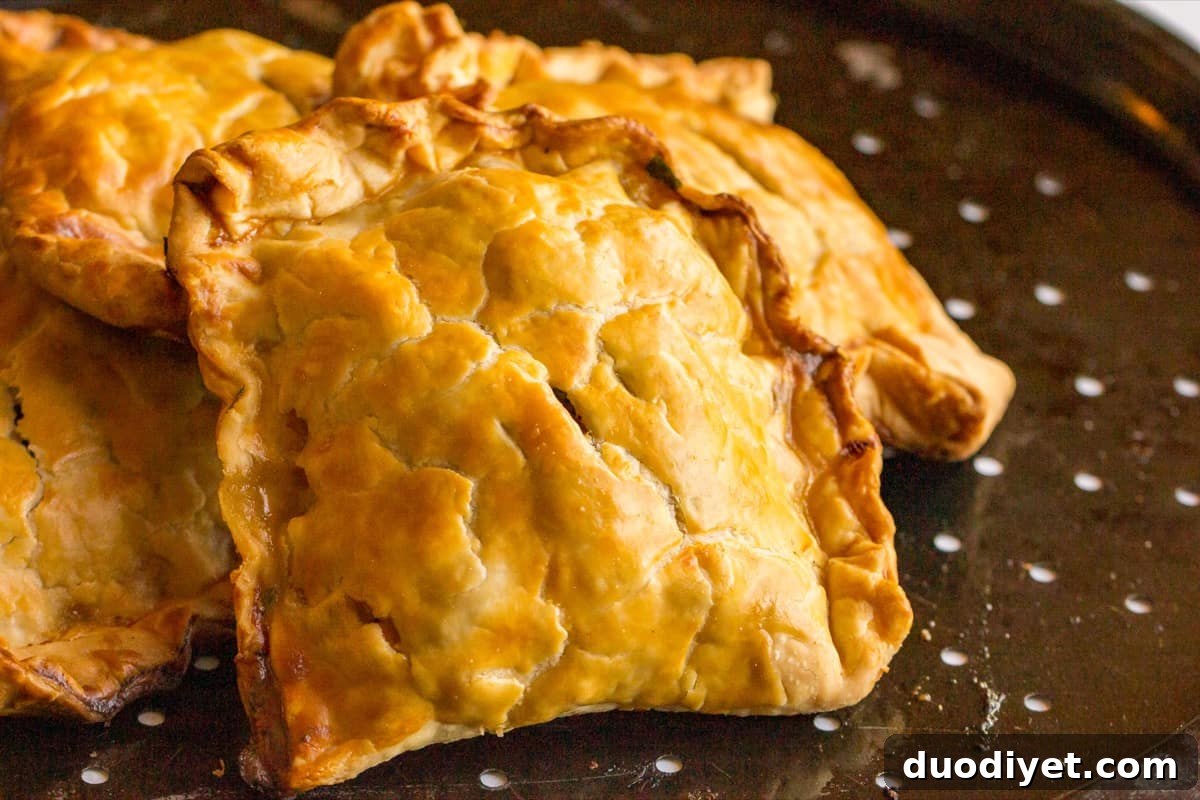
How Can You Tell When Grilled Pasties Are Done?
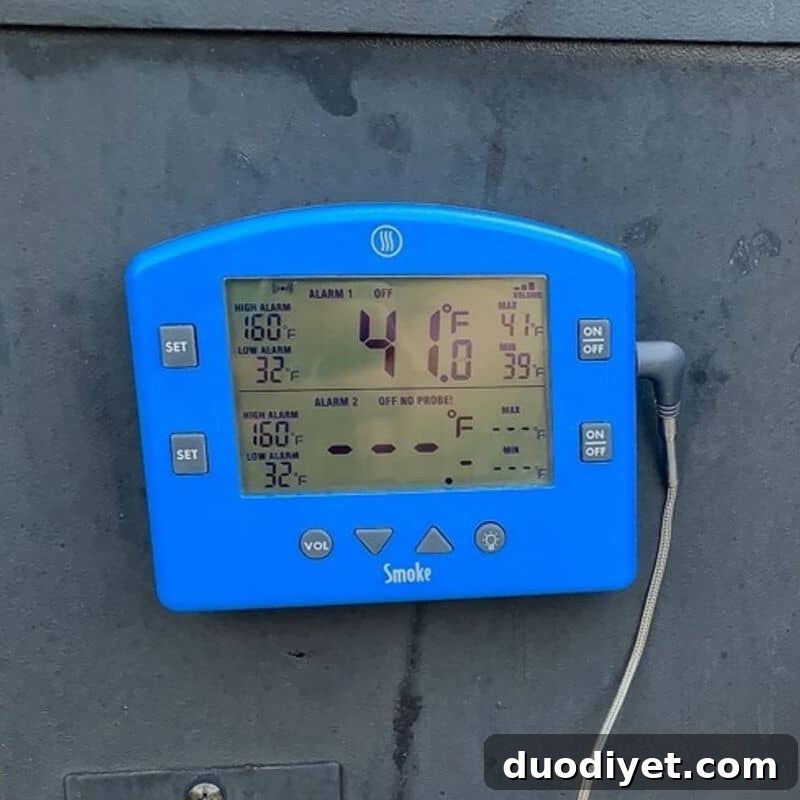
The safest way to confirm doneness is with an instant-read thermometer. Insert the probe into the center of the filling; for mixtures that contain raw ground meat, an internal temperature of 185°F (85°C) or above ensures the filling is fully cooked and safe to eat. The pastry should be a deep golden brown and crisp to the touch.
Do You Have to Use Rutabaga?
Traditional Cornish pasties often include rutabaga (also called swede or neep). Rutabaga is a root vegetable that resembles a turnip but has its own distinct flavor and texture. If you want to honor the classic style, include rutabaga. If you can’t find it, you can substitute or omit it, but the flavor profile will shift slightly from the traditional Cornish version.
Rutabaga is usually found with other root vegetables near potatoes in grocery stores. If sold with greens attached, those greens are edible and can be prepared like other leafy greens.
What Do You Cook Pasties On?
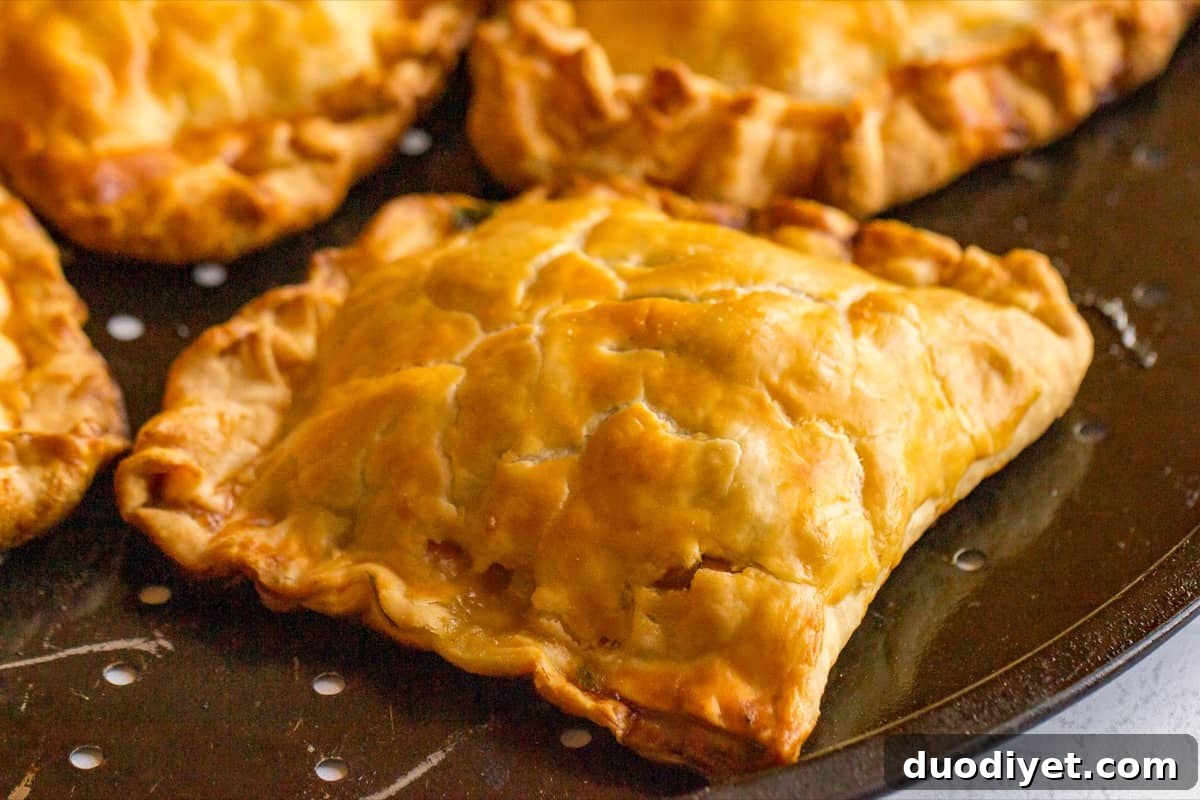
Use a heavy baking sheet lined with parchment paper when baking pasties in a pellet grill or oven. The parchment prevents sticking while the heavy sheet distributes heat evenly and prevents burned bottoms. Place the sheet on the grill grates as you would an oven rack.
How Can You Tell When Pasties Are Ready to Eat?
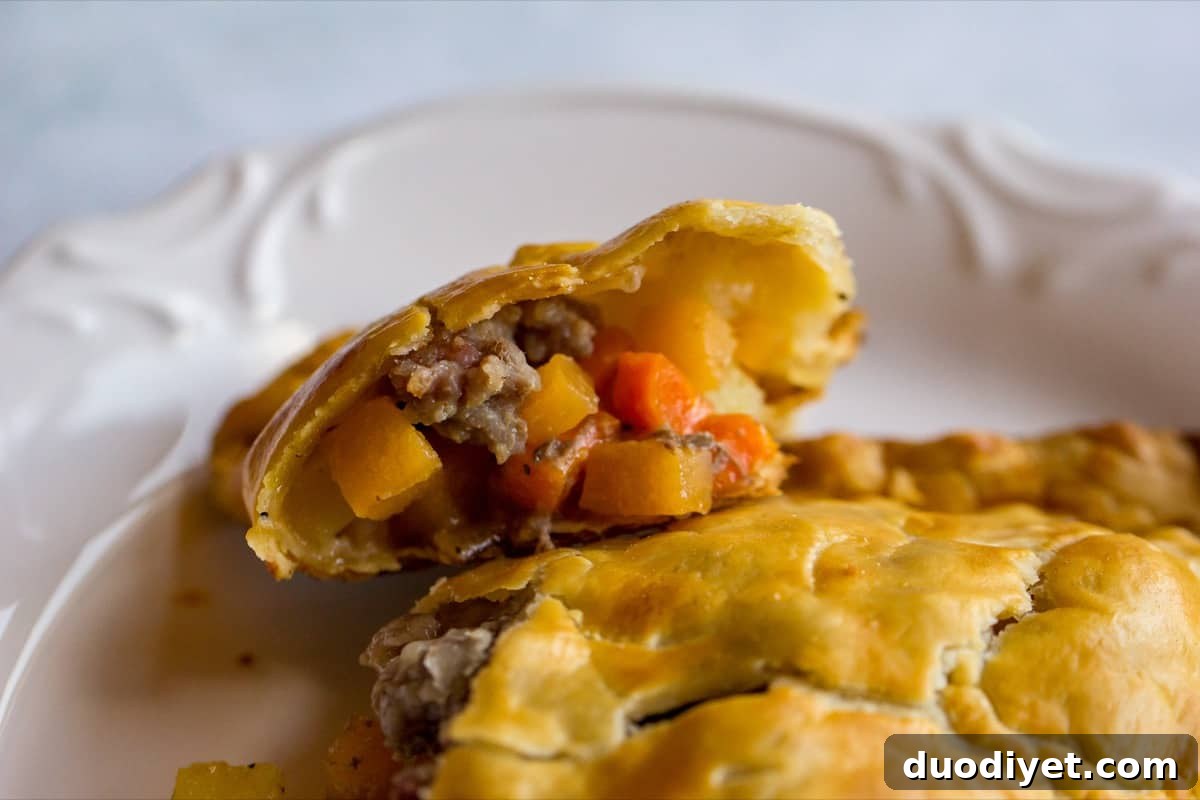
Because the filling includes raw ingredients, pre-cooking root vegetables briefly helps ensure even doneness. Take care when biting into a freshly baked pasty; the filling can be extremely hot. Allow it to cool briefly after removing from the grill so the steam inside disperses and you can enjoy the aroma safely.
For safety, check the internal temperature in several spots. Aim for about 185°F for mixtures with ground beef and pork. A well-browned crust and a firm, not doughy, bottom are also good visual indicators.
How Do You Store Pasties?
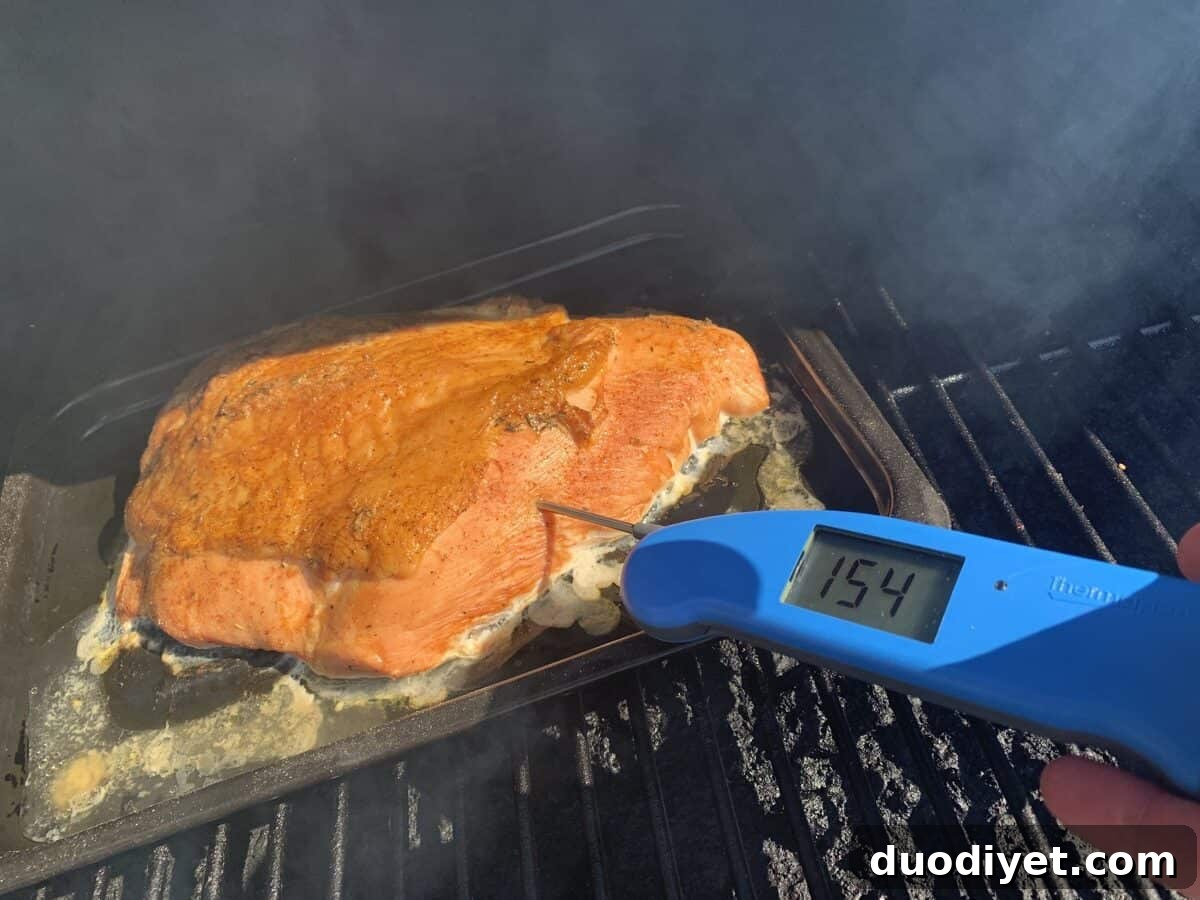
Uncooked pasties freeze well for about a month when stored in airtight bags; vacuum sealing extends freezer life and preserves quality. Make extra and freeze uncooked portions so you can bake them fresh from frozen or thawed. Cooked pasties keep in the refrigerator for a few days and can be reheated in the oven or on the grill. For best texture, reheat until warmed through and the crust regains some crispness.
What to Serve with Pasties
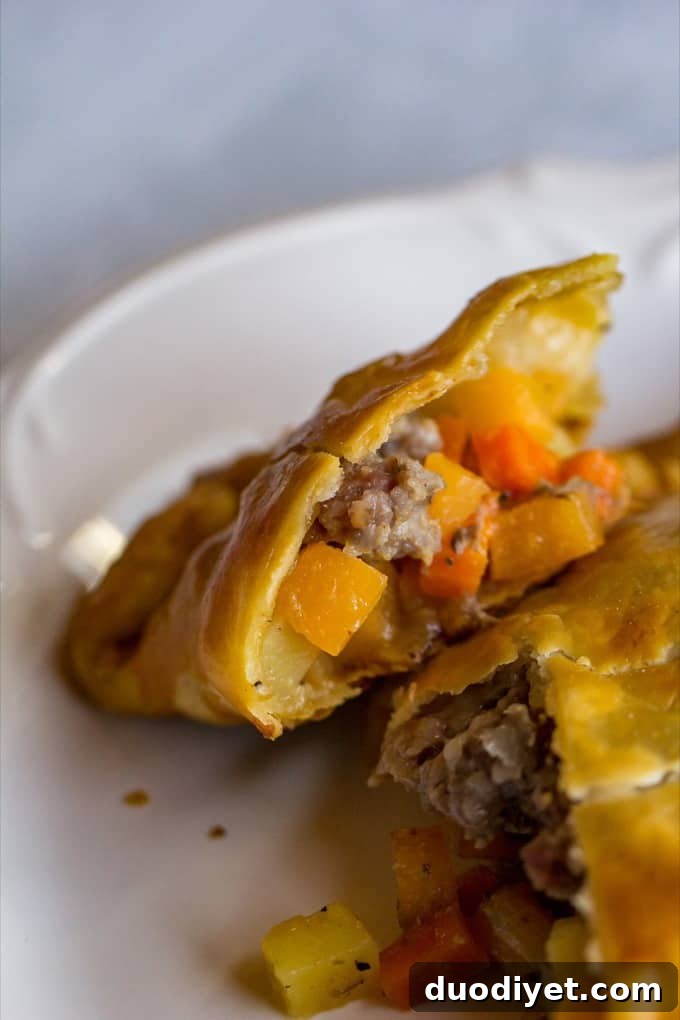
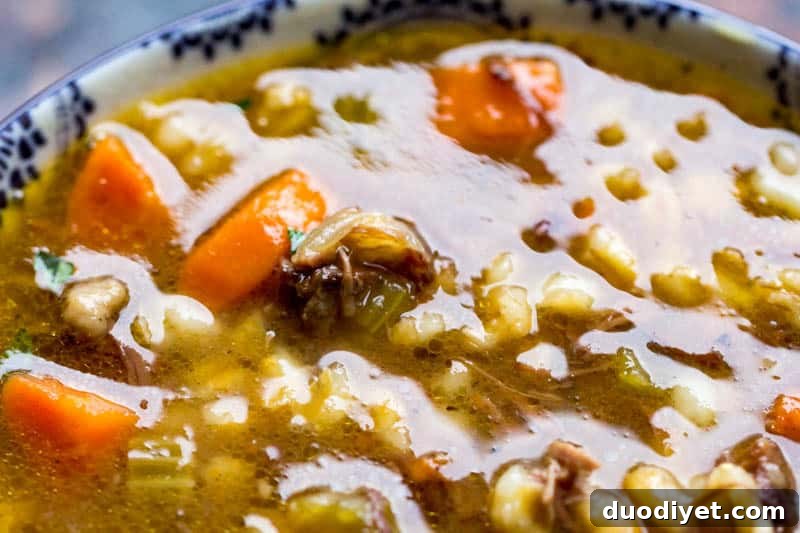
Pasties are classic pub-style hand pies and pair well with hearty sides and ales. Try serving them with a simple salad, or a bowl of soup to round out the meal. Popular choices include creamy broccoli cheese soup, beef barley, French onion, or chicken noodle soup. A crisp green salad or a Caesar works well for a lighter contrast. Condiments such as brown gravy or ketchup are traditional accompaniments depending on personal taste.
Sauce and Serving Suggestions
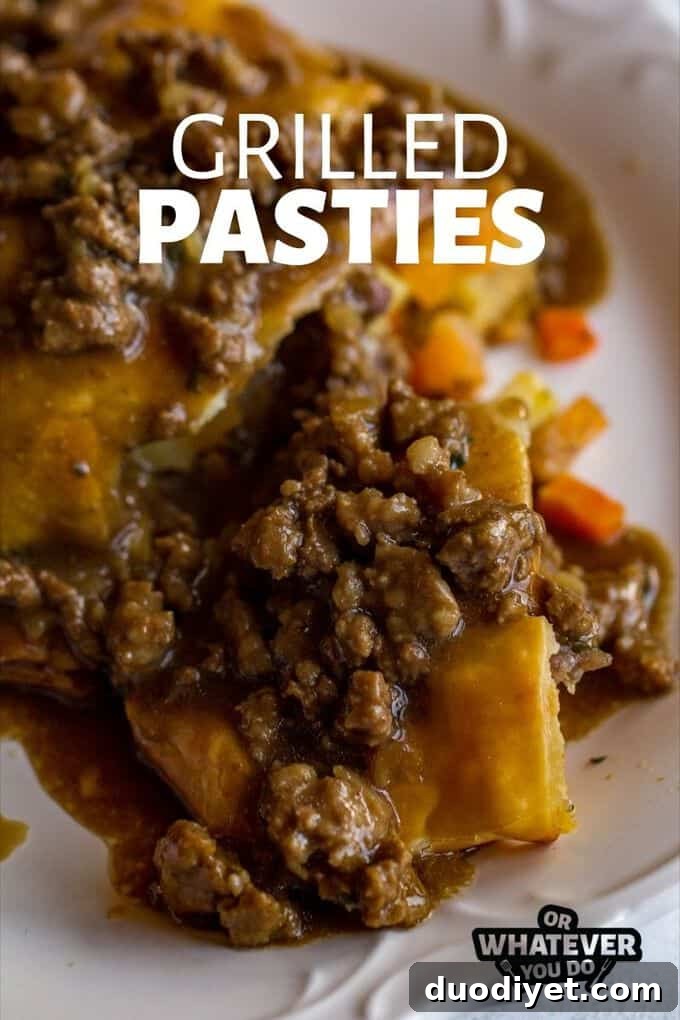
A simple brown gravy pairs wonderfully with pasties, especially if you enjoy a saucier bite. Alternatively, serve with ketchup or mustard for a lighter, familiar option. The pasties themselves are flavorful on their own, but a sauce can add a comforting, pub-style finish.

Grilled Pasties Recipe
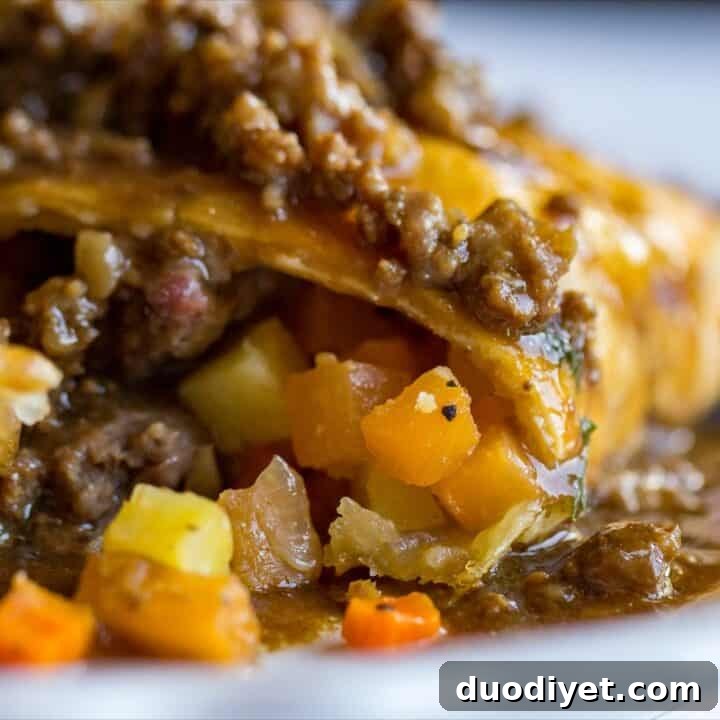
Traditional Cornish-style hand pies with a flaky crust housing a rustic mix of beef, pork, potatoes, and root vegetables. Baking on a pellet grill adds a subtle wood-fired flavor to these classic meat pockets.
Ingredients
Crust
- 3 cups all-purpose flour
- ½ cup salted butter, chilled
- ½ cup butter-flavored shortening, chilled
- ¾ – 1 cup ice cold water
Filling
- ¼ lb ground beef
- ¼ lb ground pork
- ¼ small rutabaga, diced
- 1 medium carrot, diced
- 1 small onion, diced
- 1 medium russet potato, diced
- Handful of fresh flat-leaf parsley, chopped
- 3 tablespoons butter
- Salt and pepper, to taste
Egg Wash
- 1 egg + 1/8 cup milk, whisked together
Instructions
- Preheat your pellet grill to 350°F. Line a heavy baking sheet with parchment paper.
- Make the pie crust: cut chilled butter and shortening into small cubes. Combine with flour by hand until the fat pieces are pea-sized. Add ¾ cup ice water and stir until the dough forms a slightly crumbly ball. Add more water if needed. Wrap the dough and chill at least 30 minutes. If using pre-made crust, skip this step.
- Dice the vegetables to roughly ¼-inch pieces and chop the parsley.
- Sauté all diced vegetables in a large non-stick skillet with 3 tablespoons of butter over medium-high heat for 6–7 minutes until slightly softened. Allow to cool.
- Divide chilled dough into six equal portions. Roll each portion into a circle slightly larger than your hand on a well-floured surface.
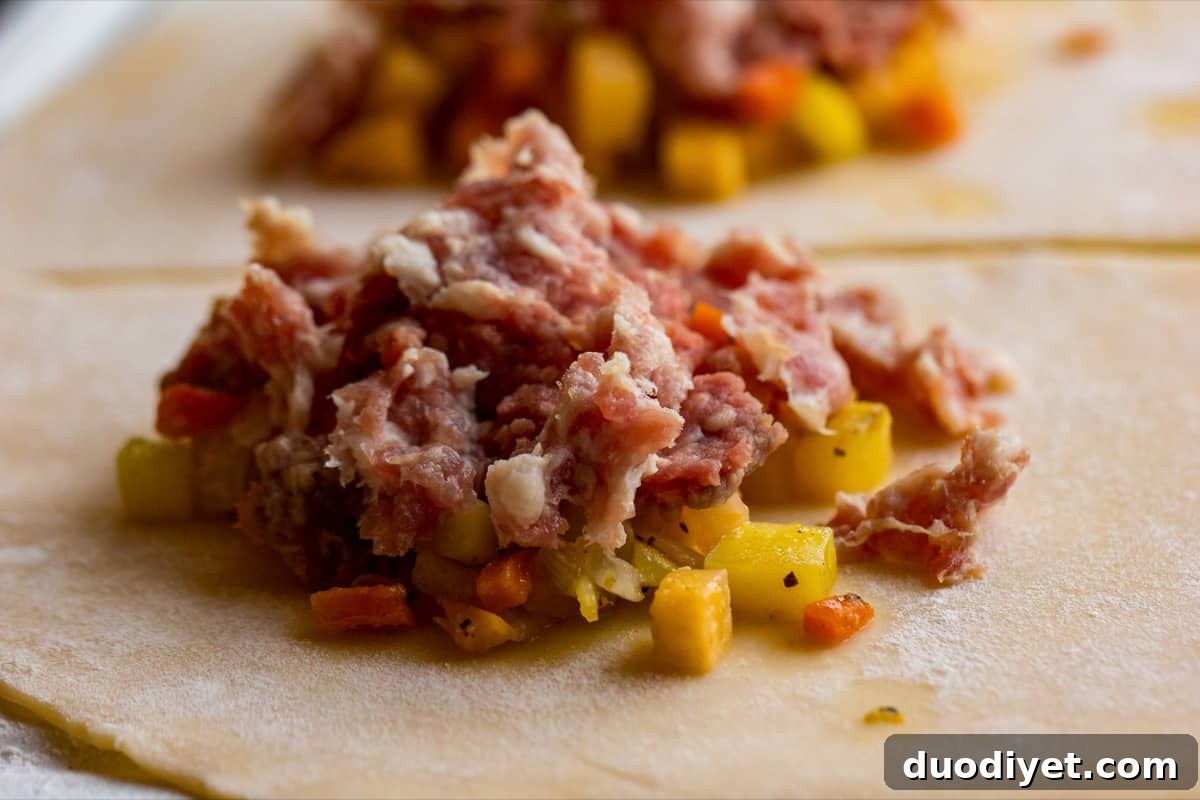
- Place a portion of filling and a mix of the meats on one half of each crust, leaving room to seal the edges.
- Fold the other half of the dough over the filling. Moisten the edge with water and press to seal, then crimp by folding and pressing the edge to finish.
- Repeat with remaining dough and place pasties on the prepared baking sheet. Brush tops with the egg wash and cut three small steam vents into each pasty.
- Bake on the pellet grill at 350°F for about 1 hour, until the crust is deep golden brown and the internal temperature of the filling reaches about 185°F.
- Serve hot with brown gravy, ketchup, or your preferred condiment.
Nutrition Information (per serving):
Yield: 6 • Calories: 648 • Saturated Fat: 17g • Cholesterol: 67mg • Sodium: 169mg • Carbohydrates: 56g • Fiber: 2g • Sugar: 1g • Protein: 14g