
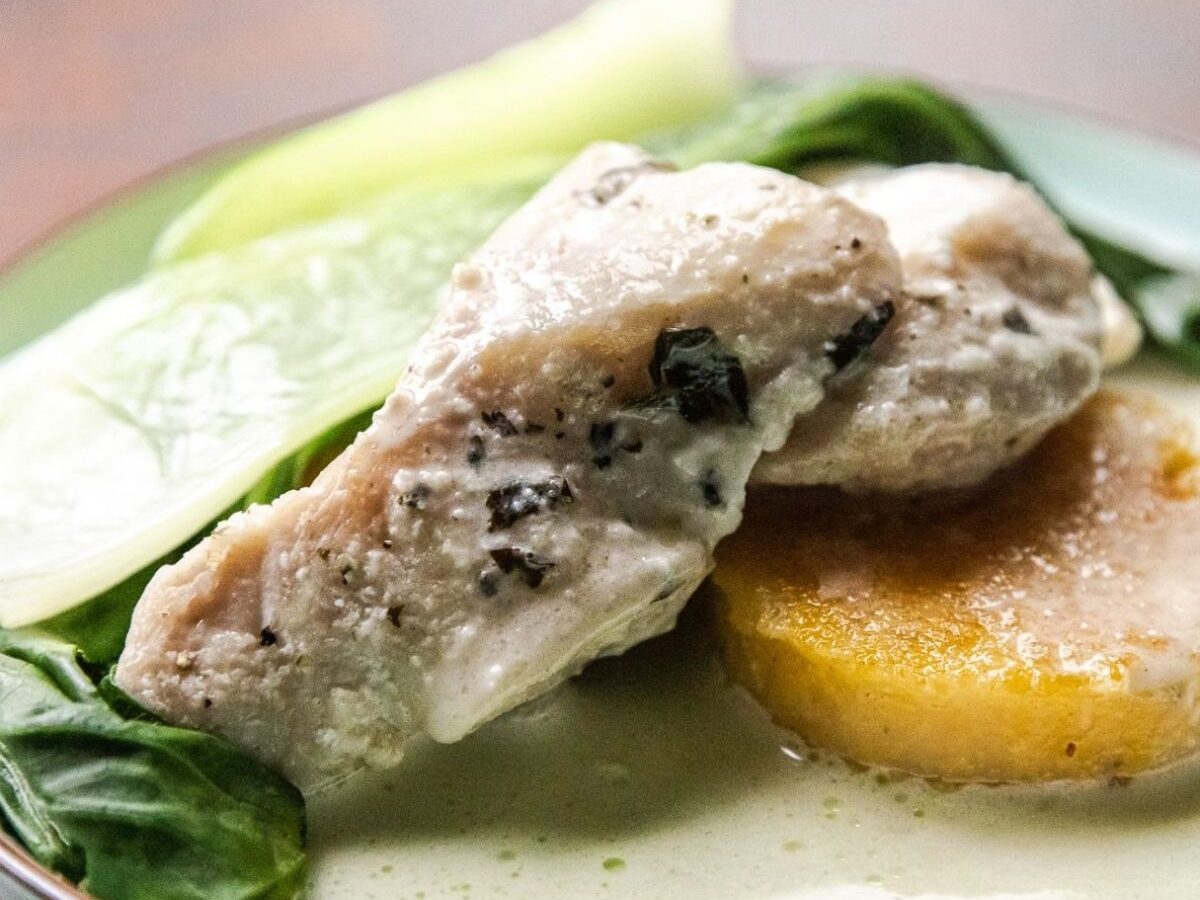
These Sous Vide Lemon Garlic Lingcod Cheeks are buttery, exceptionally tender, and full of bright, simple flavor. The classic lemon-and-garlic combination is enhanced by sous vide cooking, which gives consistent results every time and prevents the delicate cheeks from overcooking. Once sealed and placed in the water bath, this recipe is largely hands-off and yields melt-in-your-mouth pieces that pair beautifully with rice, vegetables, pasta, or tacos.
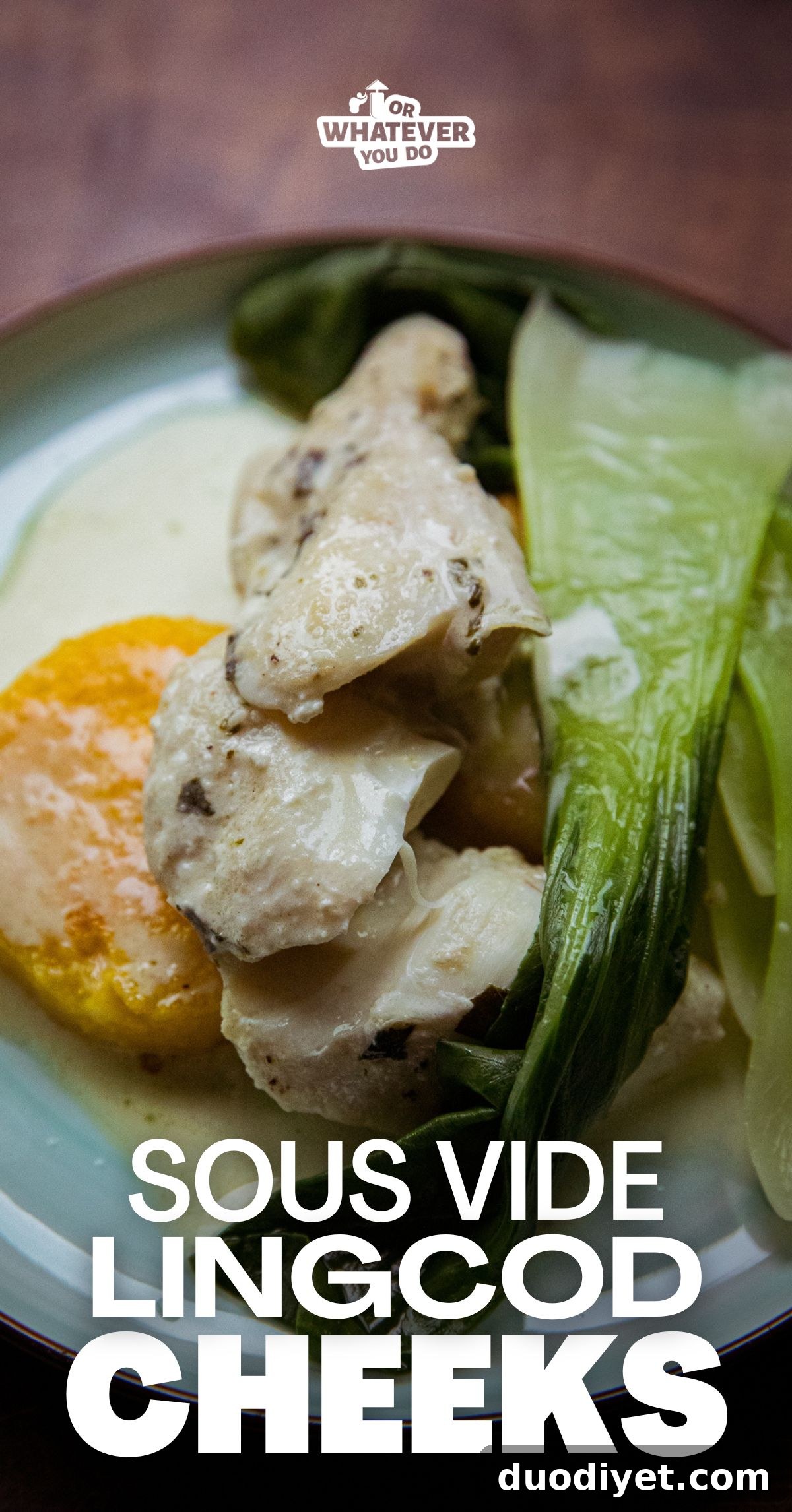
Sous Vide Lemon Garlic Lingcod Cheeks
Lingcod cheeks have a pleasant, firm-but-tender texture and absorb flavors quickly. Because they are small and lean, high heat can dry them out fast; sous vide protects the delicate flesh and locks in moisture. Timing is important, but the precise temperature control of the sous vide bath removes the guesswork and produces consistent results.
This recipe scales well — cook just enough for two or double the quantities for a crowd. The clean flavor profile complements many sides, so you can keep the presentation simple or elevate it with sauces and garnishes.
If you’ve never cooked fish cheeks before, this is an excellent introduction. They’re an underrated cut: rich, tender, and forgiving when treated with gentle cooking methods.
Why You’ll Love This Dish
- Perfect texture — sous vide keeps the cheeks juicy without overcooking.
- Simple, bold flavor — lemon, garlic, and butter deliver a crowd-pleasing combination.
- Restaurant-quality, easy prep — minimal hands-on time, big payoff.
- Versatile serving options — great over rice, pasta, grilled vegetables, or in tacos.
- Smart use of a premium cut — fish cheeks are often overlooked but taste luxurious when cooked gently.
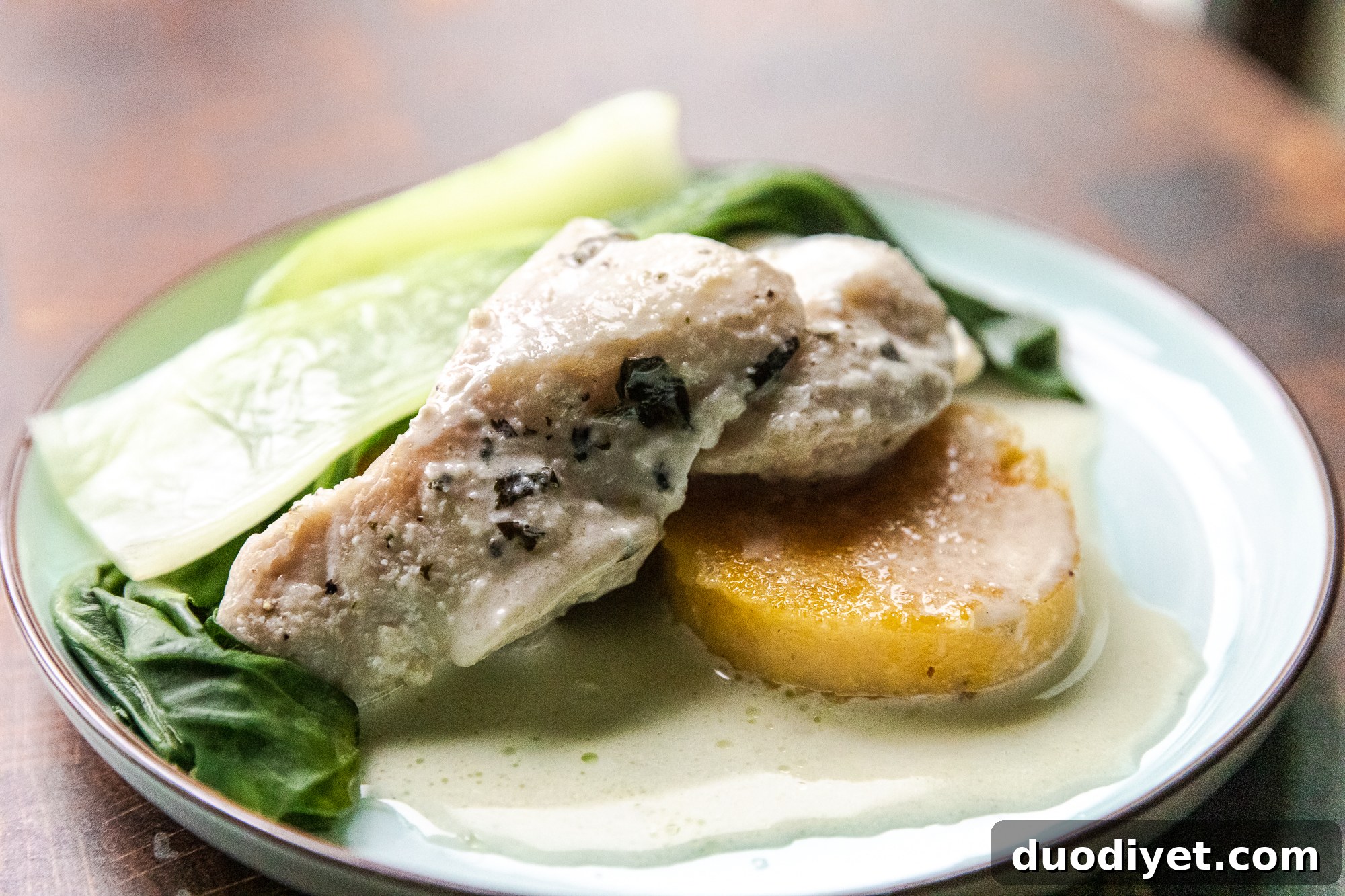
Recipe Shopping List
Below are the essential ingredients for this preparation. Exact quantities are listed in the recipe card further down.
- Lingcod cheeks — tender and meaty with a mild flavor. If unavailable, white-fish cheeks such as halibut, rockfish, or cod are suitable substitutes.
- Fresh lemon juice — adds brightness to balance the butter.
- Melted butter — creates a silky sauce that carries the garlic and lemon.
- Crushed garlic — infuses the butter and brightens the dish.
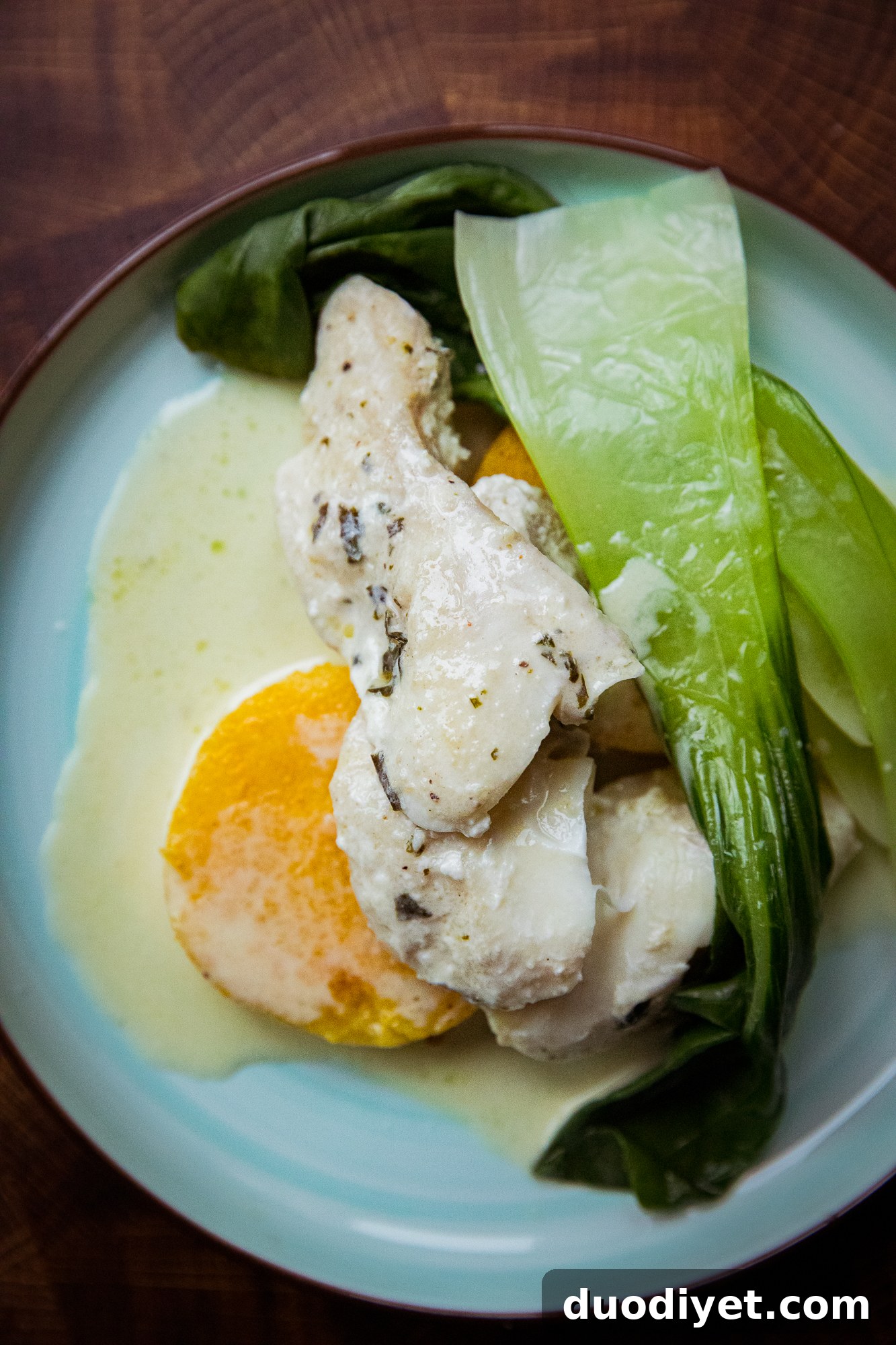
How To Make This Recipe (Overview)
This quick overview outlines the steps so you know what to expect. Follow the full recipe card below while cooking for exact measurements and step-by-step guidance.
- Preheat a sous vide water bath to 145°F (63°C).
- Whisk lemon juice, melted butter, and crushed garlic until combined.
- Place the lingcod cheeks in a sous vide–safe bag and pour the lemon-garlic butter over them. Seal with a vacuum sealer or use the water displacement method.
- Submerge the sealed bag and cook for 2½ hours.
- Carefully remove the bag, transfer the cheeks to a platter, and spoon some warm garlic butter over the top before serving.
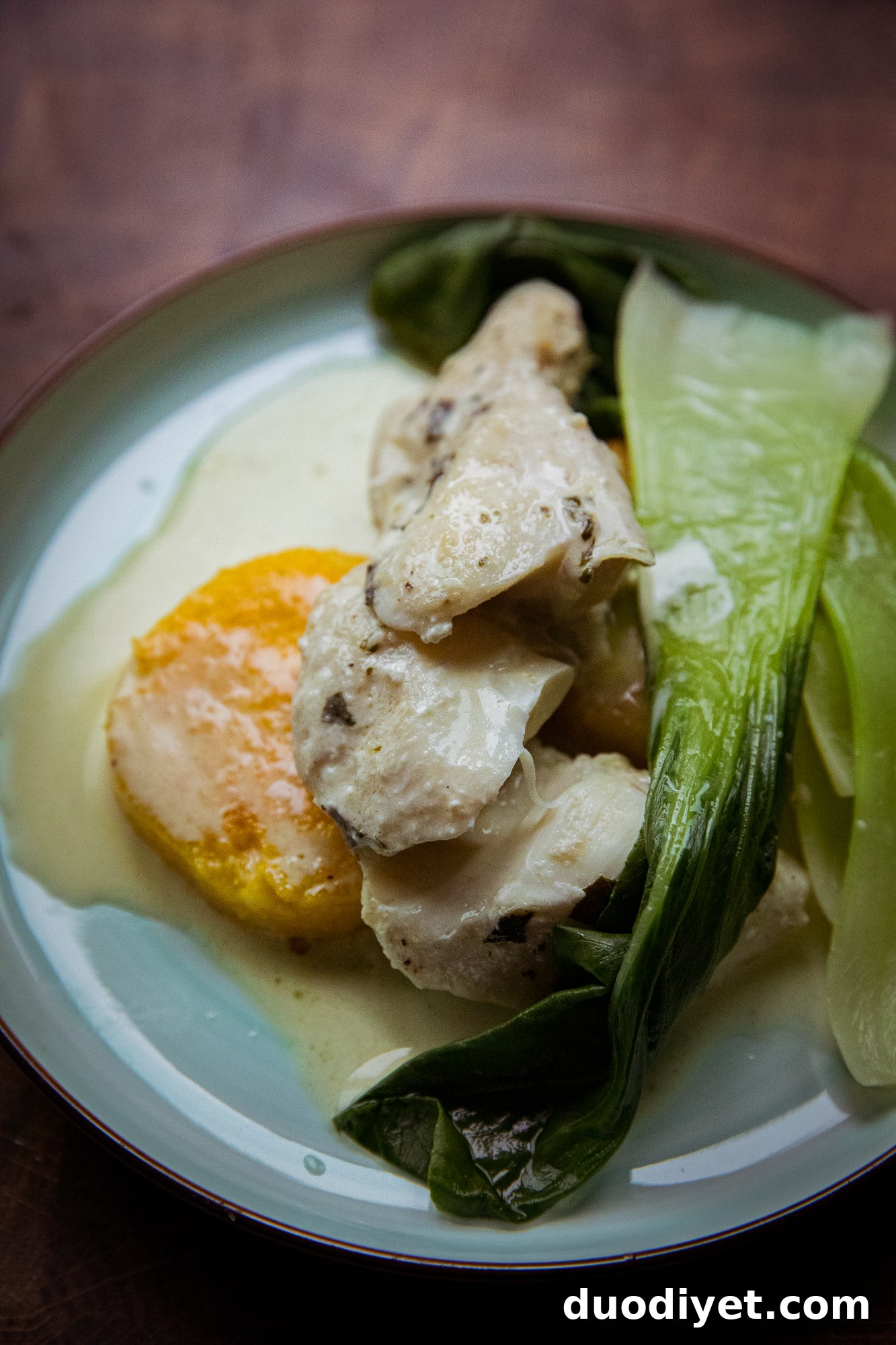
What Other Fish Cheeks Work For This Recipe?
Lingcod is ideal, but many other fish cheeks adapt well to this gentle technique. Keep pieces similar in size so they cook evenly and adjust time slightly for thicker cuts.
- Halibut cheeks — sweet and flaky; larger pieces may need an extra 10–15 minutes.
- Rockfish cheeks — small and delicate, with pronounced flavor.
- Pacific cod cheeks — mild and tender, often available fresh or frozen.
- Pollock cheeks — underrated and flavorful, absorb seasonings well.
- Seabass or grouper cheeks — richer, slightly shorter cook times may be appropriate.
- Freshwater options (walleye, pickerel) — a good alternative if you prefer lake fish.
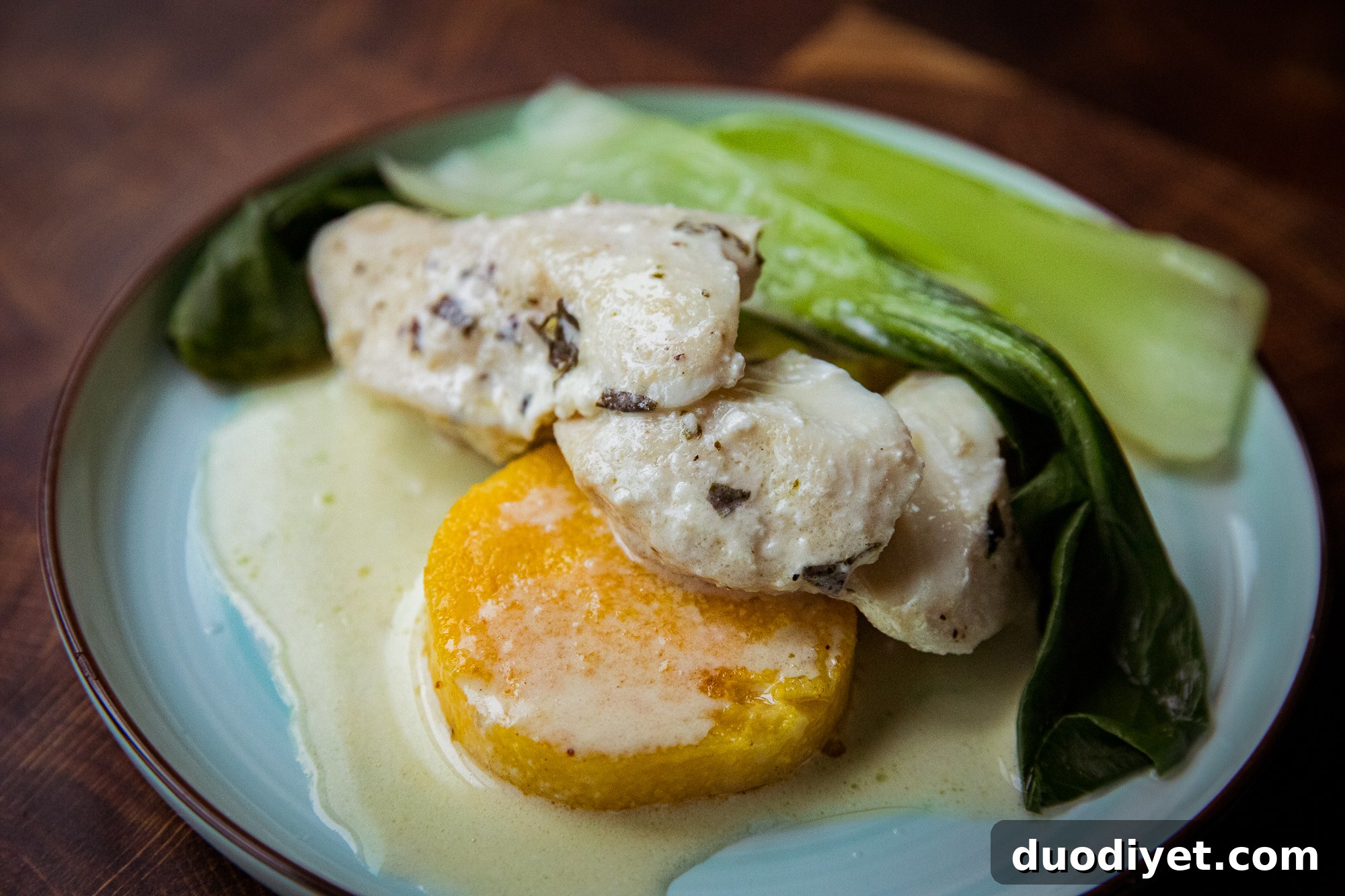
Recipe FAQ
Can I make this ahead of time?
Yes. Cook the cheeks sous vide, chill the sealed bag in an ice bath, and refrigerate. To reheat, return the sealed bag to a 130–135°F (54–57°C) water bath for 20–30 minutes.
How do I store leftovers?
Cool quickly and refrigerate in an airtight container for up to 2 days. Reheat gently in a covered pan with a little of the butter sauce to preserve moisture.
What if I don’t have lingcod?
Use halibut, rockfish, or any white-fish cheeks you can source. Match the piece sizes and adjust the sous vide time based on thickness.
Can I freeze these?
Yes. Cooked cheeks freeze well. Cool completely, seal in a freezer-safe bag, and store for up to 2 months. Reheat from frozen in a low‑temperature water bath or thaw and warm gently.
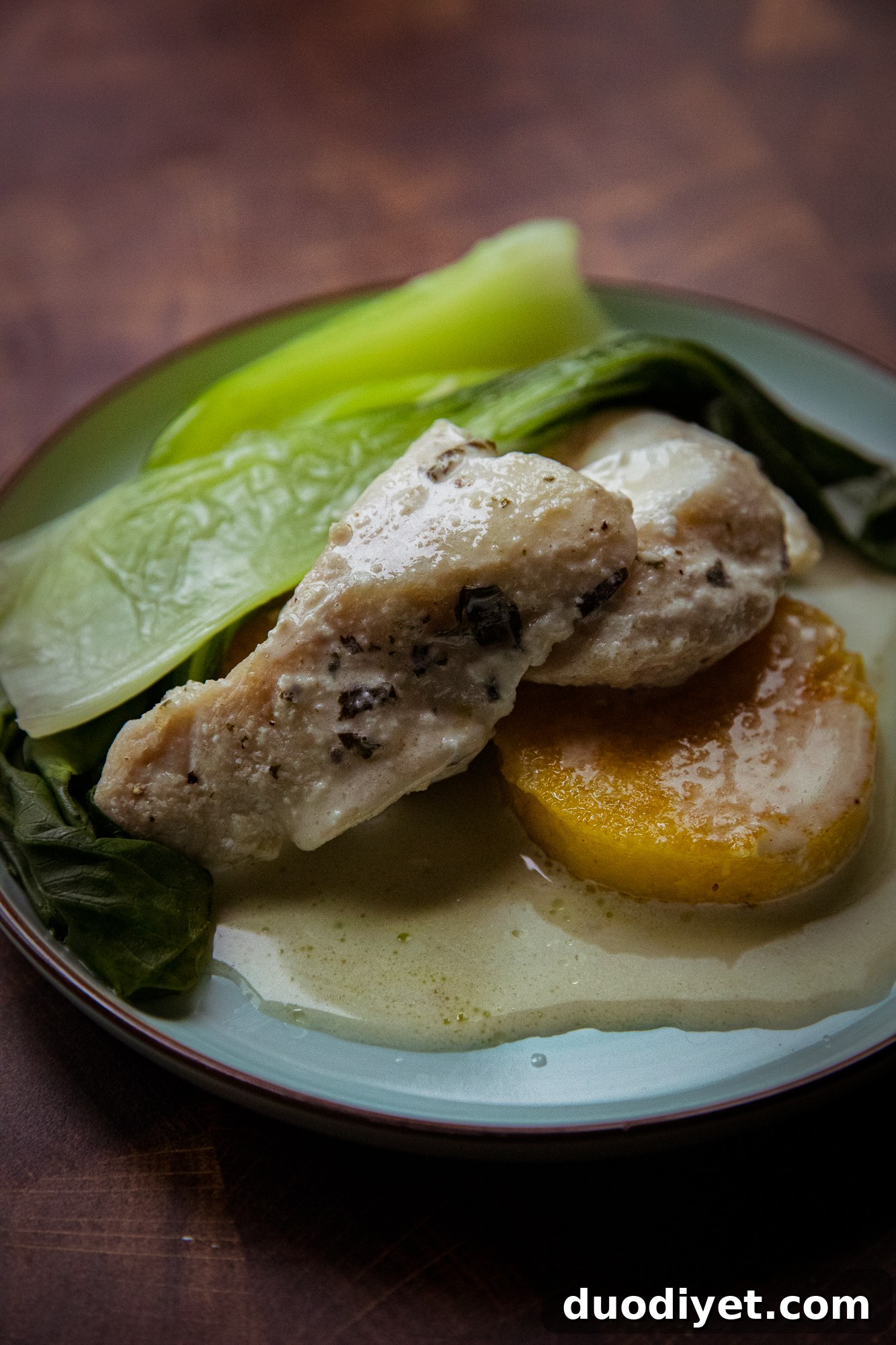
Serve This With…
- Rice pilaf — a light, fragrant bed for the cheeks.
- Garlic butter noodles — rich and comforting.
- Grilled asparagus — adds a crisp, smoky contrast.
- Caesar or mixed green salad — bright, textural balance.
- Smashed potatoes — hearty and satisfying.
Sous vide lingcod cheeks strike an ideal balance between restaurant-quality and weeknight-friendly cooking. The lemon-garlic butter permeates the flesh without overpowering the natural flavor, and the sous vide texture is consistently tender. Keep a few portions on hand in the freezer for an easy, impressive meal any night of the week.
Pin For Later
Sous Vide Lemon Garlic Lingcod Cheeks
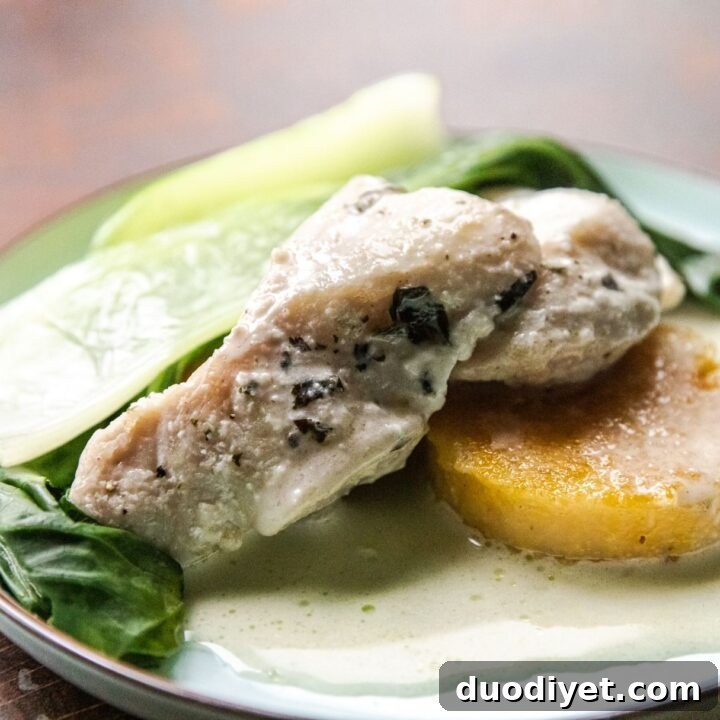
This recipe highlights the delicate, flavorful cut of lingcod cheeks. Lemon and garlic flavor every bite, and sous vide cooking ensures the fish stays perfectly tender without overcooking.
Prep Time: 10 minutes
Cook Time: 2 hours 30 minutes
Total Time: 2 hours 40 minutes
Ingredients
- 2 pounds lingcod cheeks
- 1/8 cup lemon juice
- 1/2 cup melted butter
- 4 cloves crushed garlic
Instructions
- Preheat your sous vide water bath to 145°F (63°C).
- In a small bowl, whisk together the lemon juice, melted butter, and crushed garlic until well combined.
- Place the lingcod cheeks into a sous vide–safe bag and pour the lemon-garlic butter mixture over the fish, ensuring the cheeks are evenly coated.
- Remove as much air as possible using a vacuum sealer or the water displacement method, then seal the bag securely.
- Submerge the sealed bag in the preheated sous vide bath and cook for 2½ hours.
- Carefully remove the bag from the water, then transfer the cheeks to a serving platter using tongs or a slotted spoon.
- Spoon some of the warm lemon-garlic butter from the bag over the cheeks, and serve immediately with your favorite sides.
Nutrition Information (per serving)
- Calories: 427
- Total Fat: 27g (Saturated Fat: 16g; Trans Fat: 1g; Unsaturated Fat: 9g)
- Cholesterol: 174mg
- Sodium: 301mg
- Carbohydrates: 2g (Fiber: 0.1g; Sugar: 0.2g)
- Protein: 46g