
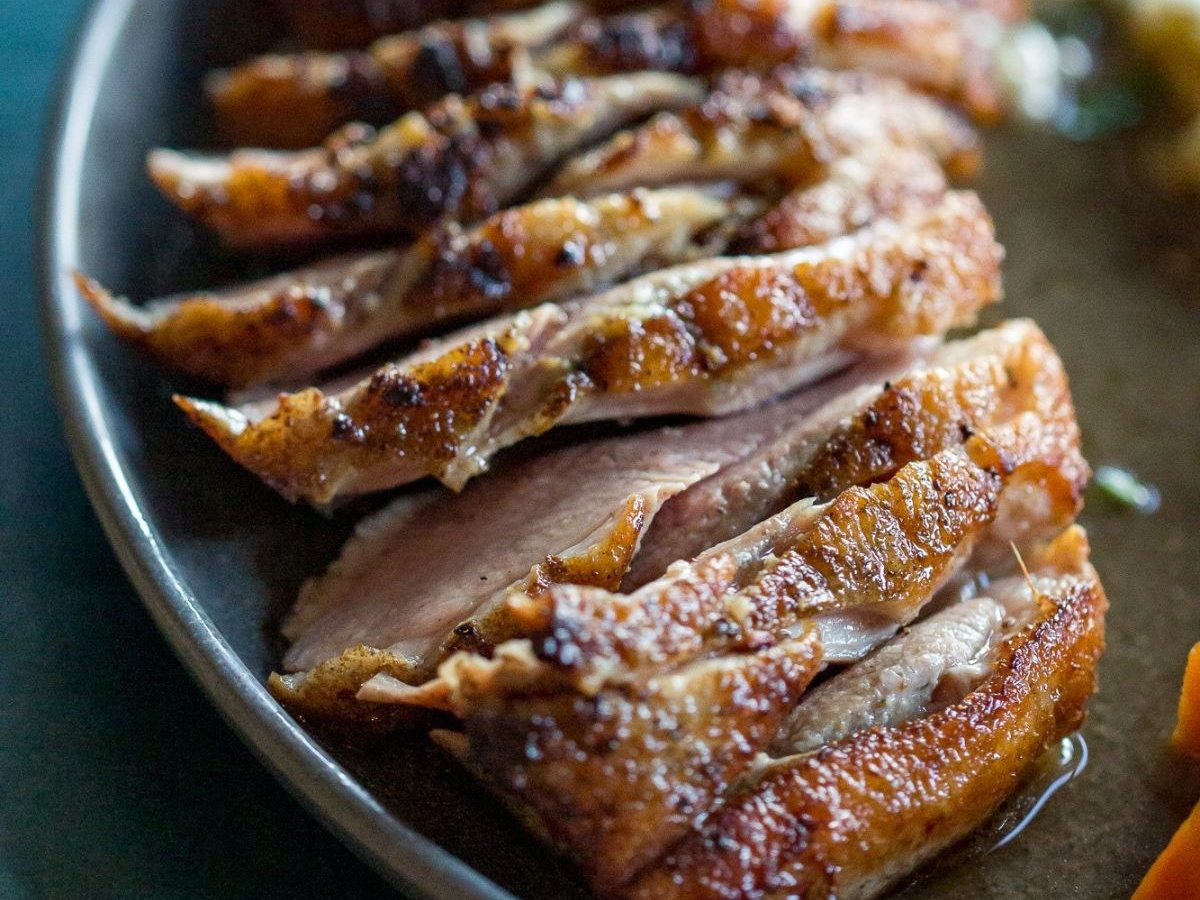
Our Sous Vide Duck Breast is prepared by vacuum-sealing duck breasts and gently cooking them in a temperature-controlled water bath at 120°F for two hours. After sous vide, the breasts are quickly pan-seared skin-side down to crisp the skin, then served with creamy mashed potatoes and a rich pan sauce made from the pan drippings, white wine, and chicken stock.
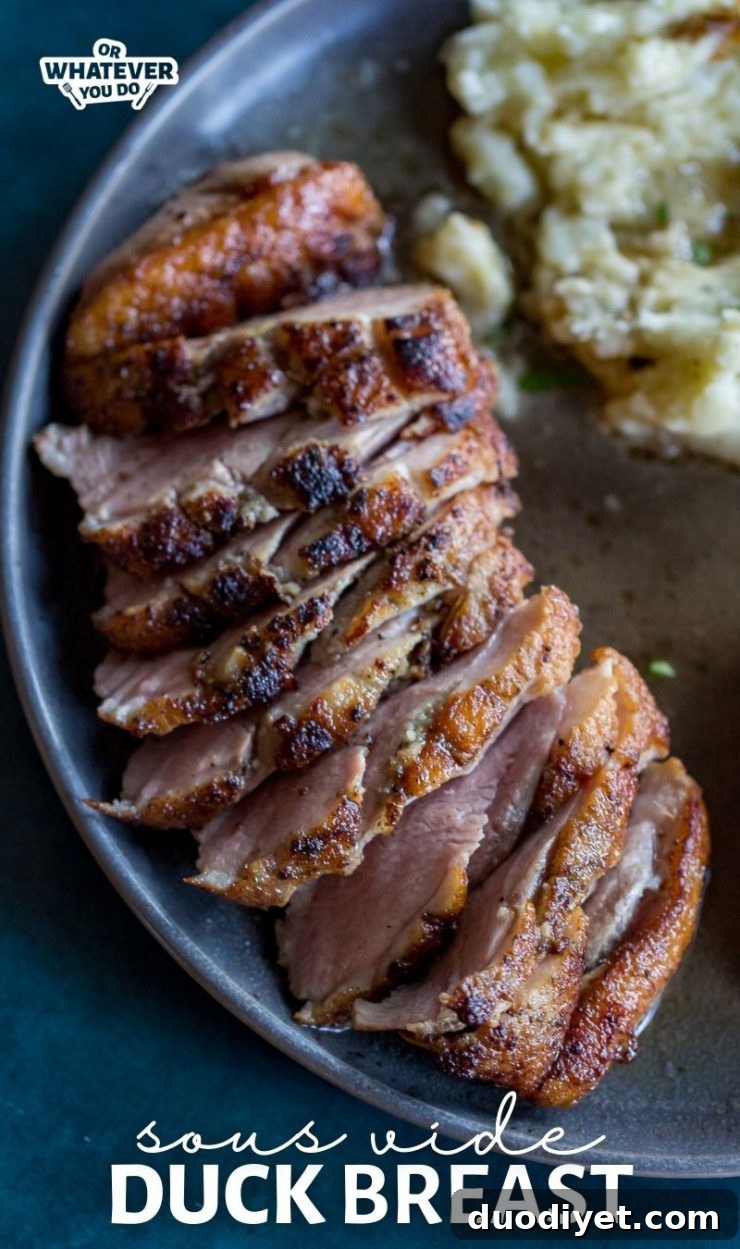
Sous Vide Duck Breast
I’ve done a fair amount of sous vide cooking over the years, but bulky equipment often kept me from using it regularly. Traditional units can be cumbersome to store and pull out for a single meal.
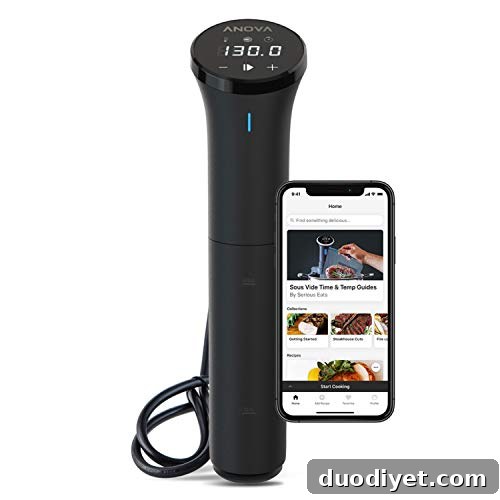
When I started testing a compact Precision Cooker Nano, it changed the game. The small footprint makes it easy to keep handy, so sous vide becomes practical for everything from eggs to a special duck breast. Its efficiency and consistent temperature control are perfect for achieving tender, evenly cooked results.
Recipe Shopping List
Before you start, gather the ingredients below. Refer to the printable recipe card at the end of the post for exact measurements.
- boneless duck breasts
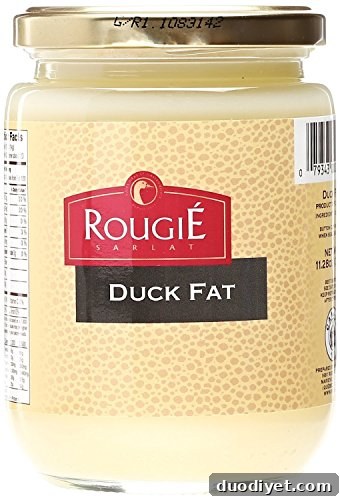
- rendered duck fat
- garlic
- salt
- onion powder
- rosemary
- thyme
- black pepper
- sage
- olive oil
- chicken stock
- white wine
How To Make This Recipe
This overview outlines the main steps so you can see what’s involved. Use the full recipe card at the bottom for precise timings and quantities while you cook.
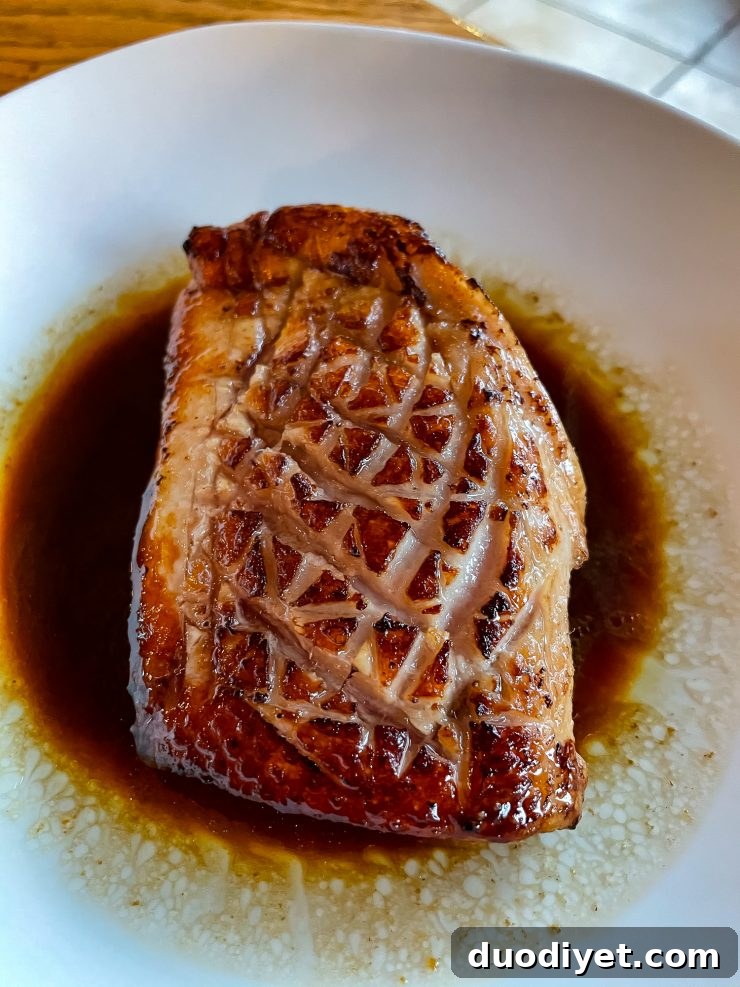
- Score and season: Place duck breasts skin-side up and score the skin in a tight criss-cross pattern, cutting through skin and fat only. Season with half the salt and the dried herbs and rub pressed garlic into the scored skin.
- Add rendered duck fat: Spread about 1 tablespoon of rendered duck fat over each breast to boost flavor and help the skin render during the sear.
- Sous vide: Vacuum-seal the breasts and cook in a 120°F water bath for 2 hours for tender, evenly cooked meat.
- Sear: Heat olive oil in a sauté pan over medium-high heat. Remove the duck from the bags and reserve the bag juices. Sear skin-side down for 1½ minutes, then flip and sear for another 1½ minutes to develop color and crispness.
- Rest and make jus: Let the duck rest 10 minutes. Deglaze the pan with white wine, chicken stock, and the reserved bag juices. Simmer until slightly thickened, then strain the sauce into a small dish.
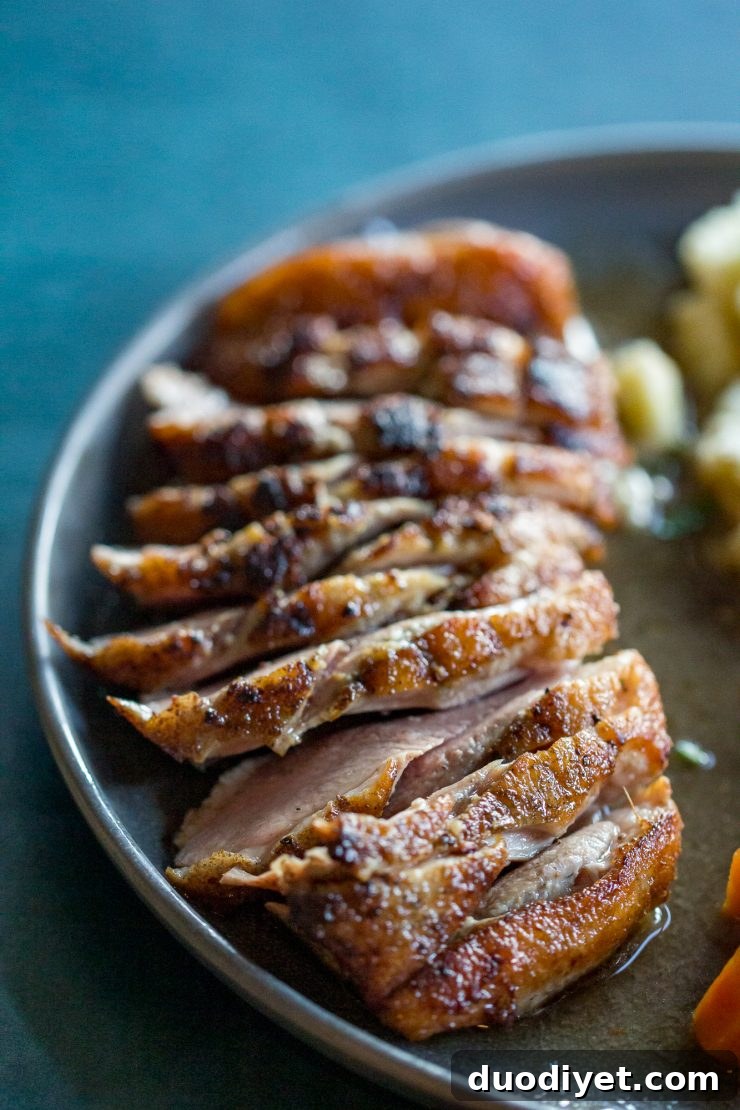
- Slice and serve: Slice the duck against the grain into ¼–½-inch pieces, arrange on plates, and spoon the jus over the top. Serve with mashed potatoes or another starch and your preferred vegetables.
Recipe FAQ
For most meats, yes — a quick sear after sous vide is highly recommended. The Maillard reaction creates concentrated flavor and an appealing crust. Vegetables don’t always require a final sear, but many benefit from one for added texture and caramelized flavor.
Sous vide, meaning “under vacuum,” involves sealing food in a food-safe bag and cooking it in a circulated water bath held at a precise temperature. It’s a gentle, consistent method that prevents overcooking and keeps foods moist and evenly done.
Recipe Tips
Get all the air out
Whether you use a vacuum sealer or the water displacement method with a heavy-duty freezer bag, removing as much air as possible keeps bags from floating and ensures even contact with the water for consistent cooking.
Consider the final temperature
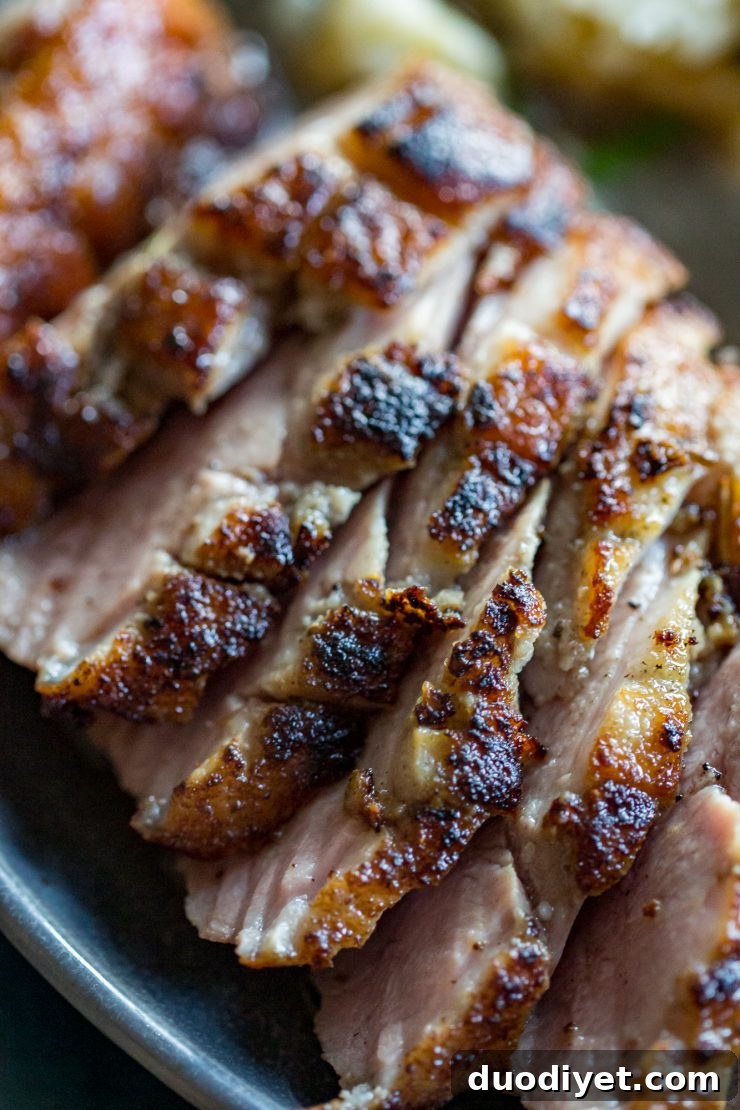
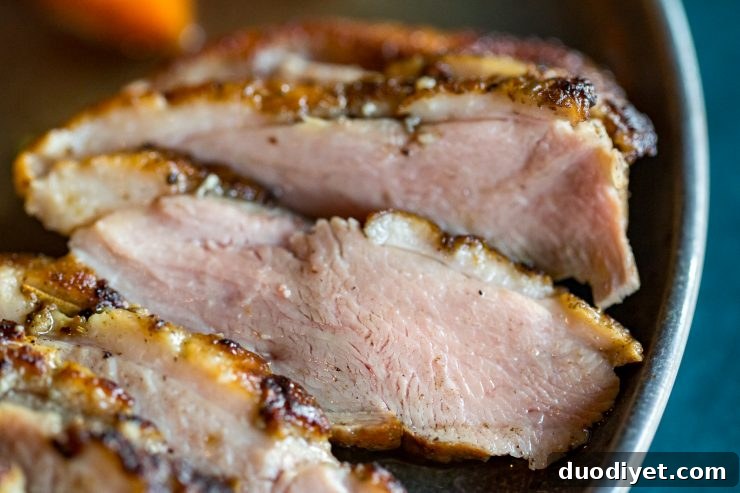
The USDA recommends cooking poultry to 165°F for safety, but many chefs prefer duck breast cooked lower to achieve medium-rare texture. In this recipe we sous vide to 120°F and then finish with a quick sear, resulting in an internal temperature near 130°F — tender and slightly pink.
Be aware that lower cooking temperatures can carry greater risk for susceptible individuals. If you or your guests are at high risk for foodborne illness, choose preparations that reach higher internal temperatures.
Serve This With
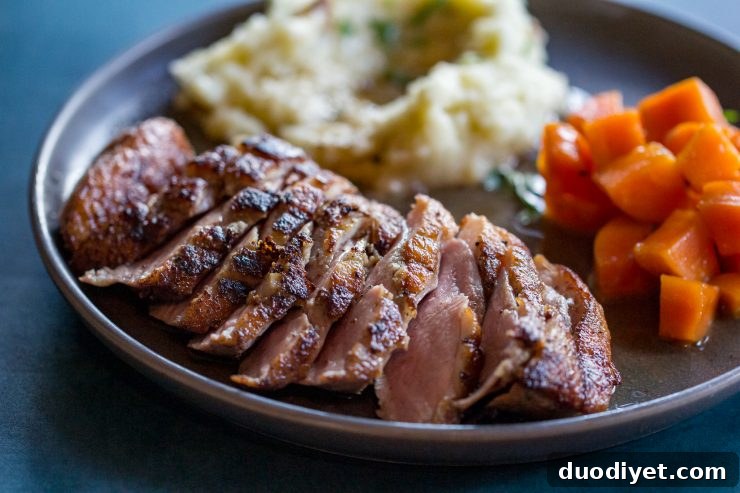
We served these duck breasts with sautéed carrots and creamy garlic mashed potatoes — a classic pairing. Other great companions include mushroom risotto, wild rice pilaf, or simply grilled asparagus for a lighter option.
More Sous Vide Recipes
- Simple Sous Vide Chicken Breasts
- Sous Vide Pork Sirloin Roasts
- Simple Sous Vide Steak
- Spicy Sous Vide Halibut Cheeks
- Sous Vide London Broil
- Sous Vide Halibut Cheeks
Pin For Later
Sous Vide Duck Breast Recipe
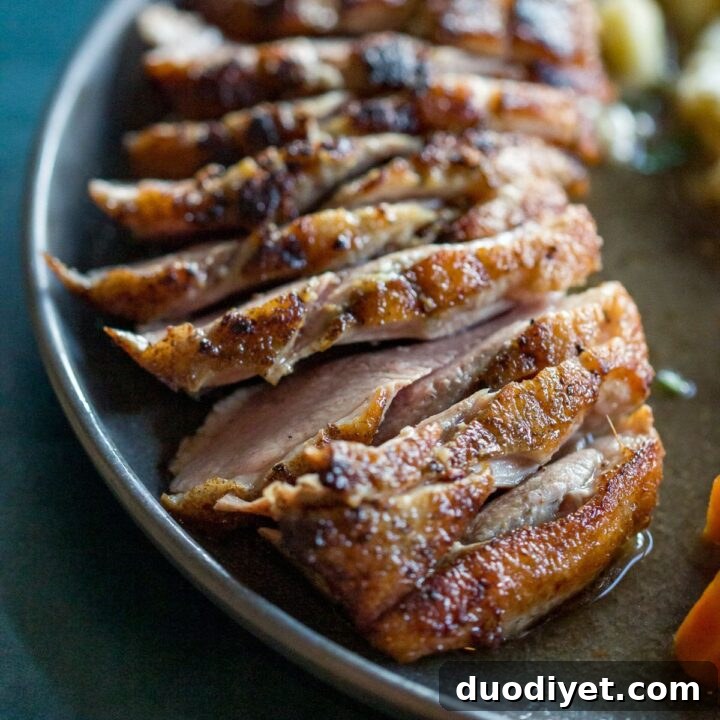
Our Sous Vide Duck Breast is vacuum-sealed and gently cooked at 120°F for two hours, then finished in a hot pan to crisp the skin. The dish is best served with creamy mashed potatoes and a pan sauce made from the drippings, wine, and stock.
10 minutes
2 hours 15 minutes
2 hours 25 minutes
Ingredients
- 2 boneless duck breasts
- 2 tablespoons rendered duck fat
- ½ teaspoon pressed garlic
- ½ teaspoon salt
- ½ teaspoon onion powder
- ½ teaspoon rosemary
- ¼ teaspoon thyme
- ¼ teaspoon black pepper
- ½ teaspoon sage
- 1 tablespoon olive oil
- 4 tablespoons chicken stock
- 2 tablespoons white wine
Instructions
- Place duck breasts skin-side up on a cutting board.
- Score the skin in a criss-cross pattern about ¼” apart, cutting through skin and fat but not into the meat.
- Season with half the salt and the dried herbs and spices, then rub the pressed garlic into the scored skin.
- Spoon about 1 tablespoon of rendered duck fat over each breast.
- Vacuum-seal the duck breasts in bags and submerge them in a circulating water bath set to 120°F. Cook for 2 hours.
- When the time is up, heat olive oil in a medium sauté pan over medium-high heat.
- Remove the duck from the bags and reserve the bag juices. Place the breasts in the hot pan skin-side down.
- Sear 1½ minutes on the skin side, flip, and sear another 1½ minutes.
- Remove the duck from the pan and let rest for 10 minutes.
- While the duck rests, deglaze the pan with white wine, chicken stock, and the reserved bag juices.
- Reduce the liquid until it slightly thickens into a jus, then remove from heat.
- Strain the jus through a fine mesh strainer into a small dish.
- Slice the rested duck against the grain into ¼–½-inch pieces.
- Arrange on plates and spoon the strained jus over the slices before serving.
Recommended Products
As an Amazon Associate and member of other affiliate programs, I earn from qualifying purchases.
-
 Rougie Rendered Duck Fat
-
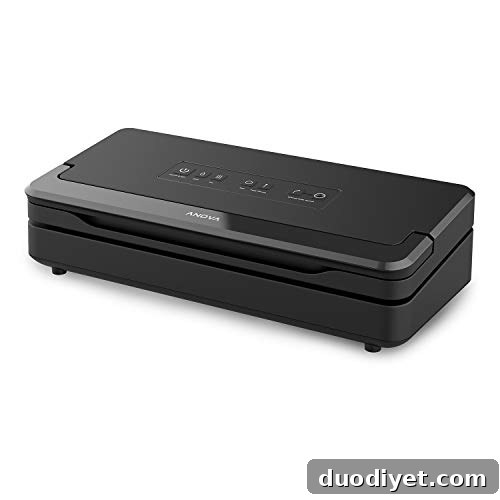
Anova Culinary Precision Vacuum Sealer Pro
-
Anova Culinary Sous Vide Precision Cooker Nano
Nutrition Information:
Yield: 4
Serving Size: 1
Amount Per Serving:
Calories: 343Total Fat: 23gSaturated Fat: 6gTrans Fat: 0gUnsaturated Fat: 15gCholesterol: 170mgSodium: 387mgCarbohydrates: 1gFiber: 0gSugar: 0gProtein: 30g
Nutrition data provided here is only an estimate.
Love this recipe? Tell your friends!
Follow on Instagram for more recipe ideas and tips.