
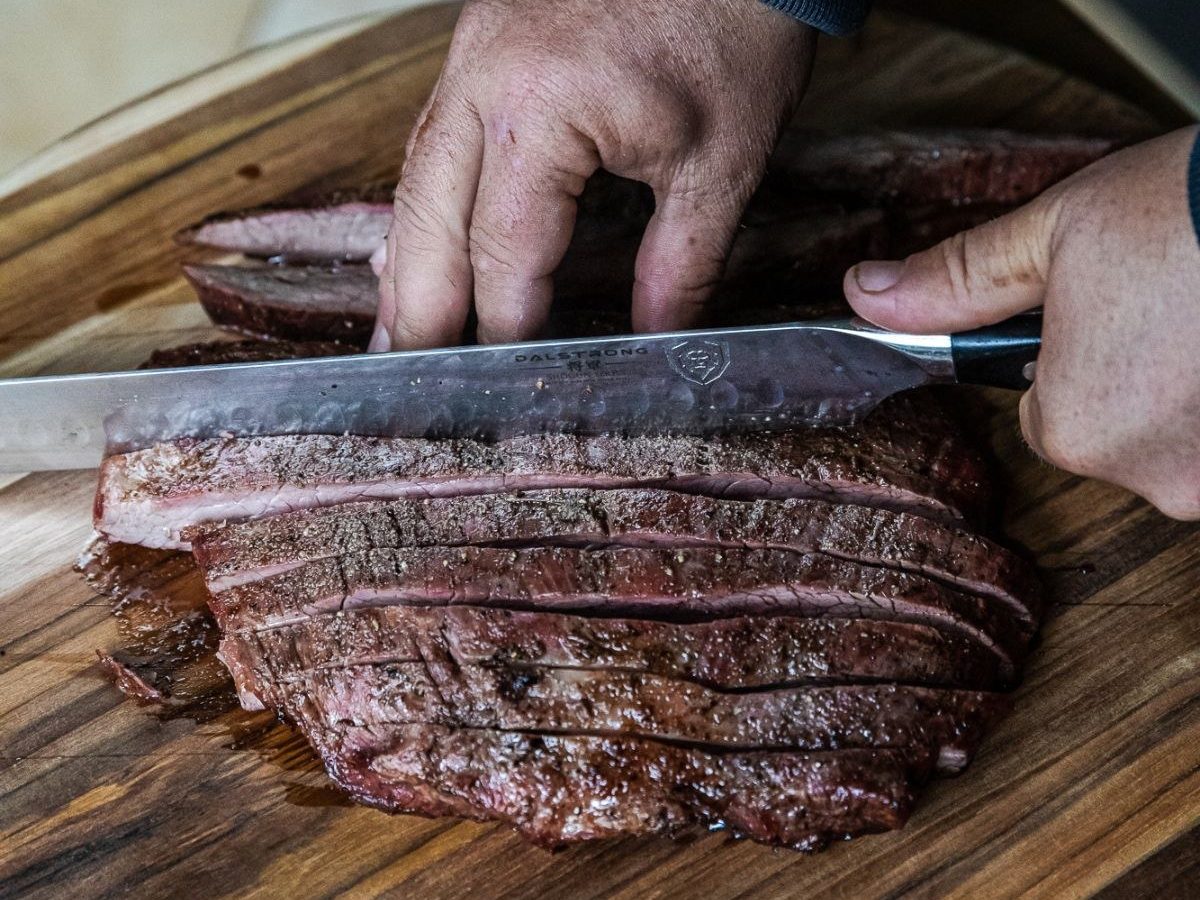
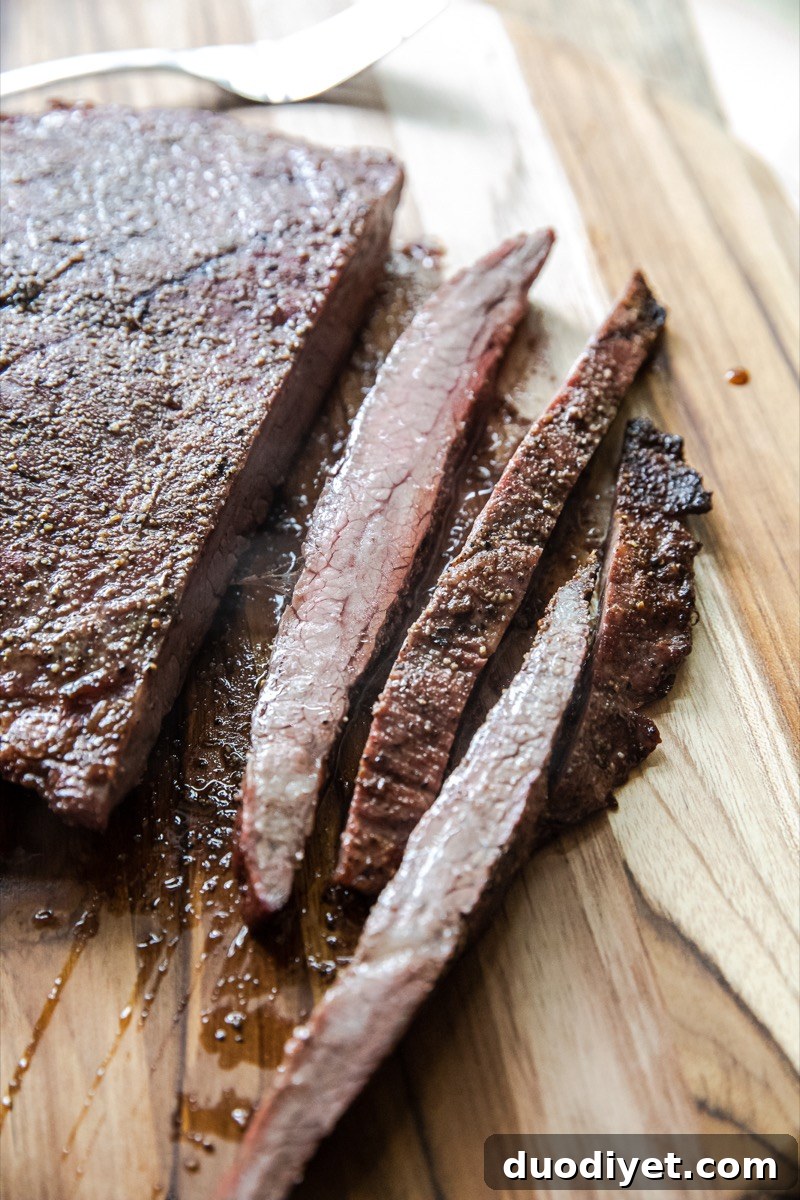
This easy Reverse Seared Flank Steak recipe produces one of the juiciest, most flavorful steaks you can make at home. The reverse sear method is straightforward: cook the steak gently at a low temperature first so it cooks evenly, then finish with a high-heat sear to form a savory crust. It yields consistent results whether you use a pellet grill, gas grill, cast iron skillet, or griddle.
Reverse-Seared Flank Steak
Reverse-seared flank steak is a simple, impressive dish that cooks through evenly while staying tender and juicy. The low-and-slow stage brings the interior up gently to the target temperature so the meat retains more of its juices, and the final blast of heat creates a caramelized, flavorful crust. This technique works especially well with thinner, flatter steaks like flank because it minimizes the overcooked band often seen with direct, high-heat cooking.
Why You’ll Love It
- Even Cooking: The slow first stage gives consistent doneness from edge to center.
- Juicy and Tender: Gentle cooking helps the steak retain its natural juices.
- Flavorful Crust: A quick, high-temperature sear adds texture and richness.
- Simple Ingredients: A basic steak rub highlights the beef without overpowering it.
- Versatile: Great for weeknight dinners or special occasions.
More Steak Recipes here!
Recipe Shopping List
This shopping list covers what you need to make reverse-seared flank steak. For exact quantities, see the recipe card below.
- Flank steak (about 3 pounds for two steaks)
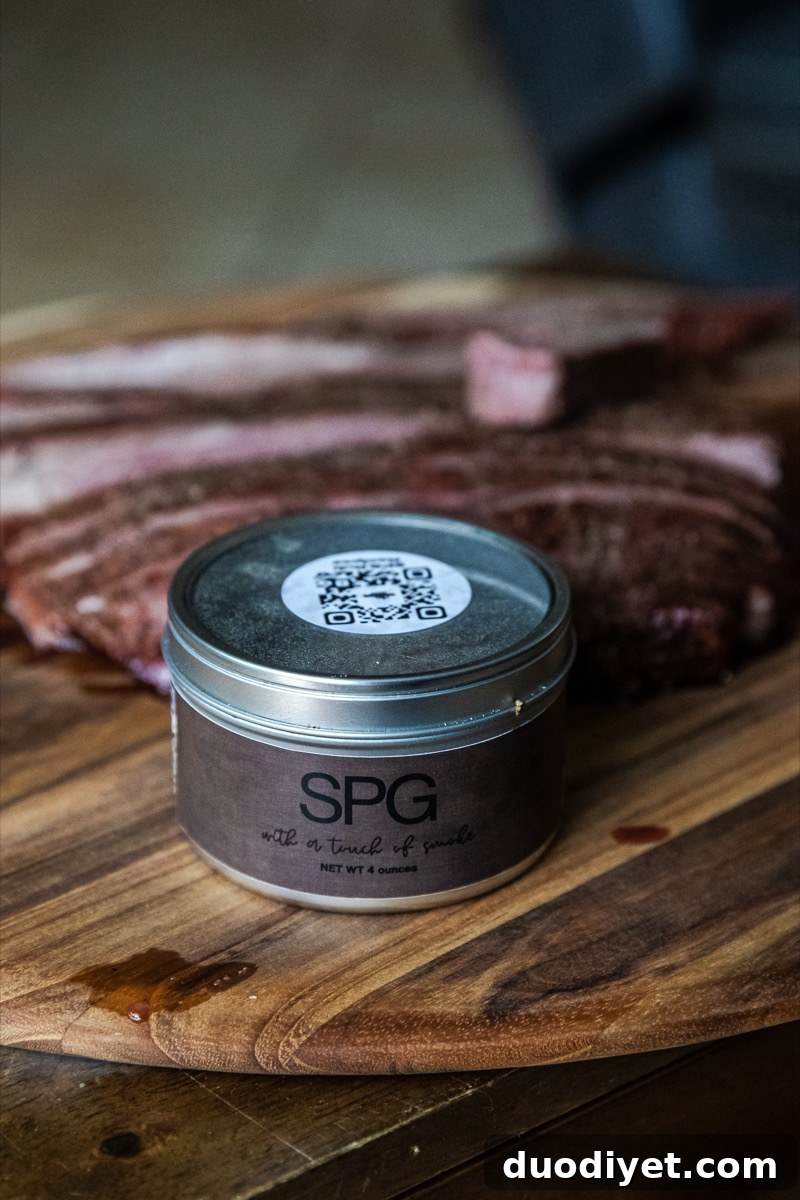
- Steak rub (salt, pepper, garlic blend or a prepared Smoky SPG-style rub)
- Butter, for serving (optional)
Follow me on Instagram!
How To Make This Recipe
Below is an overview of the process so you know what to expect. Use the full recipe card further down for exact timings and temperatures.
- Preheat the grill or smoker to a low temperature (225°F recommended).
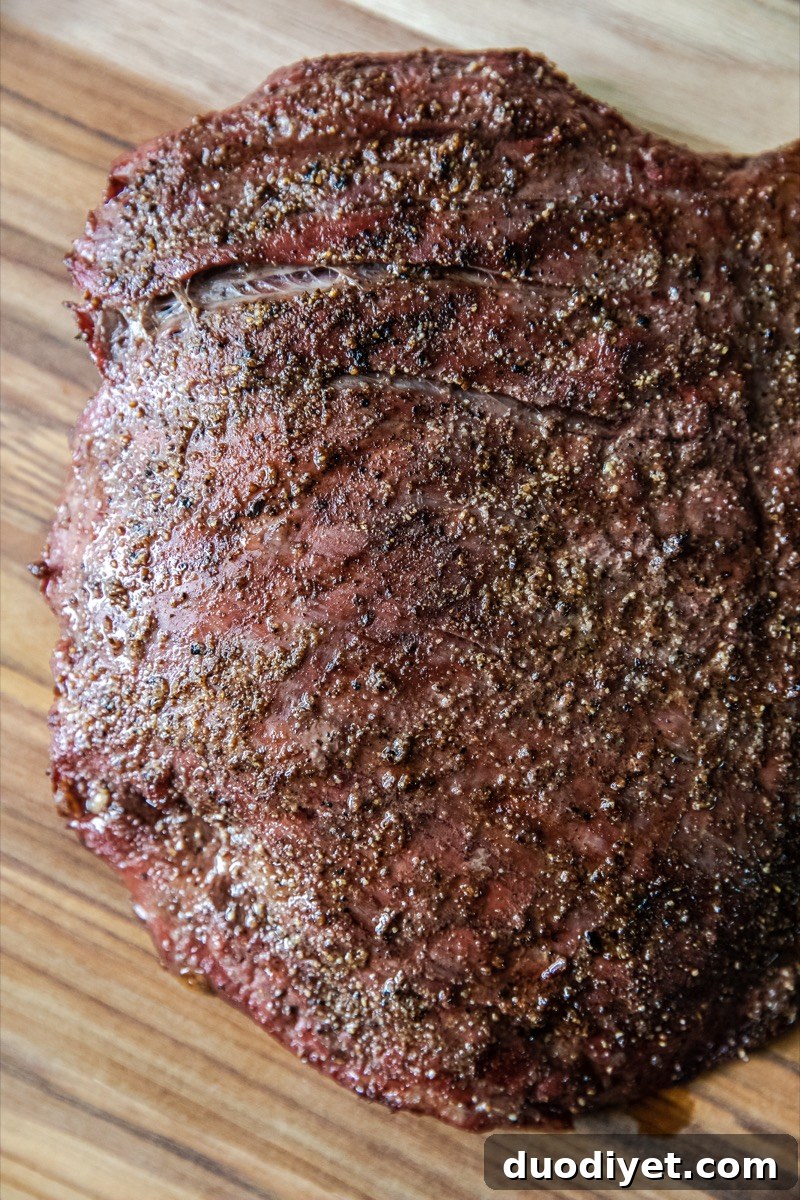
- Season the steak generously with your chosen rub, pressing it into the meat so it adheres.
- Cook slowly on the preheated grill until the internal temperature is about 10°F below your desired finished temp.
- Remove and tent the steak with foil while you raise the grill or searing surface to high heat (450–500°F).
- Sear quickly for 2–3 minutes per side to form a deep brown, flavorful crust. Rest briefly and serve with a pat of butter if desired.
Try our Grilled Asparagus with this steak!
Recipe FAQ
How should I store leftover flank steak?
Store leftover steak in an airtight container in the refrigerator for up to three days. Reheat gently to preserve texture and juiciness.
How do I reheat the steak without overcooking it?
Reheat slowly in a skillet over low heat with a little butter or oil, or warm briefly in a low oven. This helps avoid pushing the internal temperature too high and drying the meat.
Can I prepare the steak in advance?
Yes. You can bring the steak to the low-temperature stage, refrigerate it, and then finish with a quick sear right before serving. Tenting the steak while the sear surface heats will keep it warm.
What is a suitable substitute for a prepared SPG rub?
Use a simple blend of coarse salt, freshly ground black pepper, and garlic powder if you don’t have a prepared rub. Adjust quantities to taste.
What does “reverse sear” mean?
Reverse searing means cooking the meat slowly at low temperature until nearly done, then searing it at high heat for a short time. This delivers an evenly cooked interior with a deeply flavored crust and reduces the overcooked band often seen with traditional high-heat-first methods.
Which other cuts work well with reverse searing?
Cuts like flat iron, bavette (flap steak), skirt steak, and tip steak adapt well to the reverse sear. Thicker cuts also do well because the slow stage allows controlled doneness before finishing with a sear.
Are flank steaks known by other names?
Depending on the region, flank may be labeled as London broil or sometimes mixed up with bavette. While they have similarities, they are distinct cuts; flank comes from the abdominal muscles while bavette is from the bottom sirloin. Both are flavorful and benefit from quick, high-heat finishing after marinating or proper seasoning.
Enjoy with our Smoked Loaded Baked Potatoes
Recipes Using Flank Steaks
- Mongolian Beef
- Garlic Beef and Broccoli
- Skillet Garlic Beef Stroganoff
Serve This With
- Grilled Asparagus
- Greek Pasta Salad
- Oven-Baked Onion Rings
- Grilled or Smashed Potatoes
Eyes Bigger Than Your Stomach?
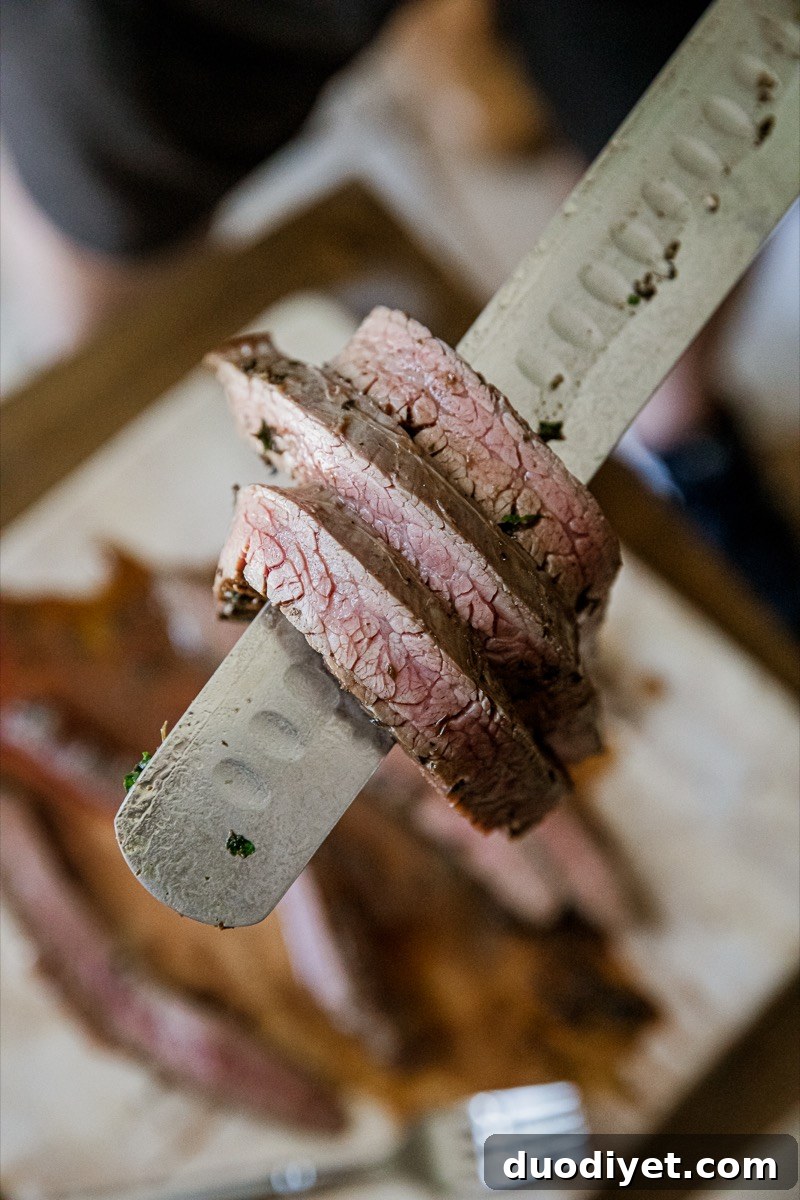
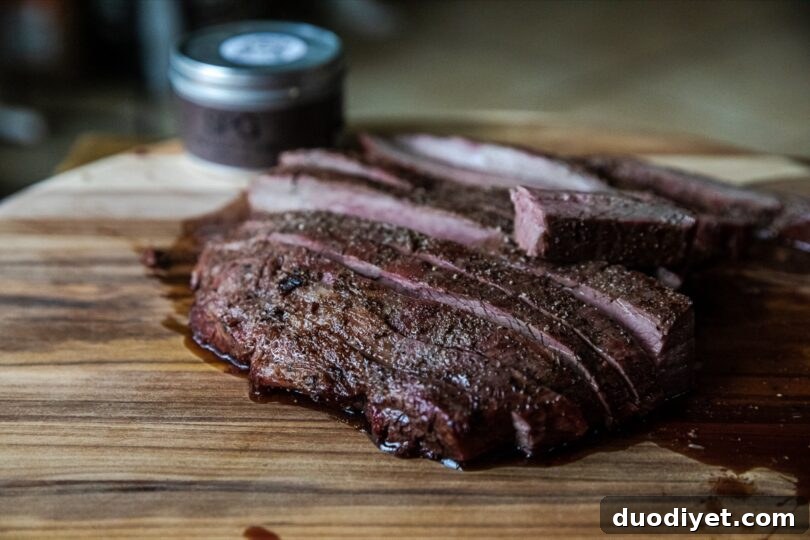
If you have leftovers, use them in sandwiches, fajitas, or stir-fry dishes. Slicing thinly against the grain keeps the meat tender for reuse in other recipes.
Traeger Reverse Seared Flank Steak
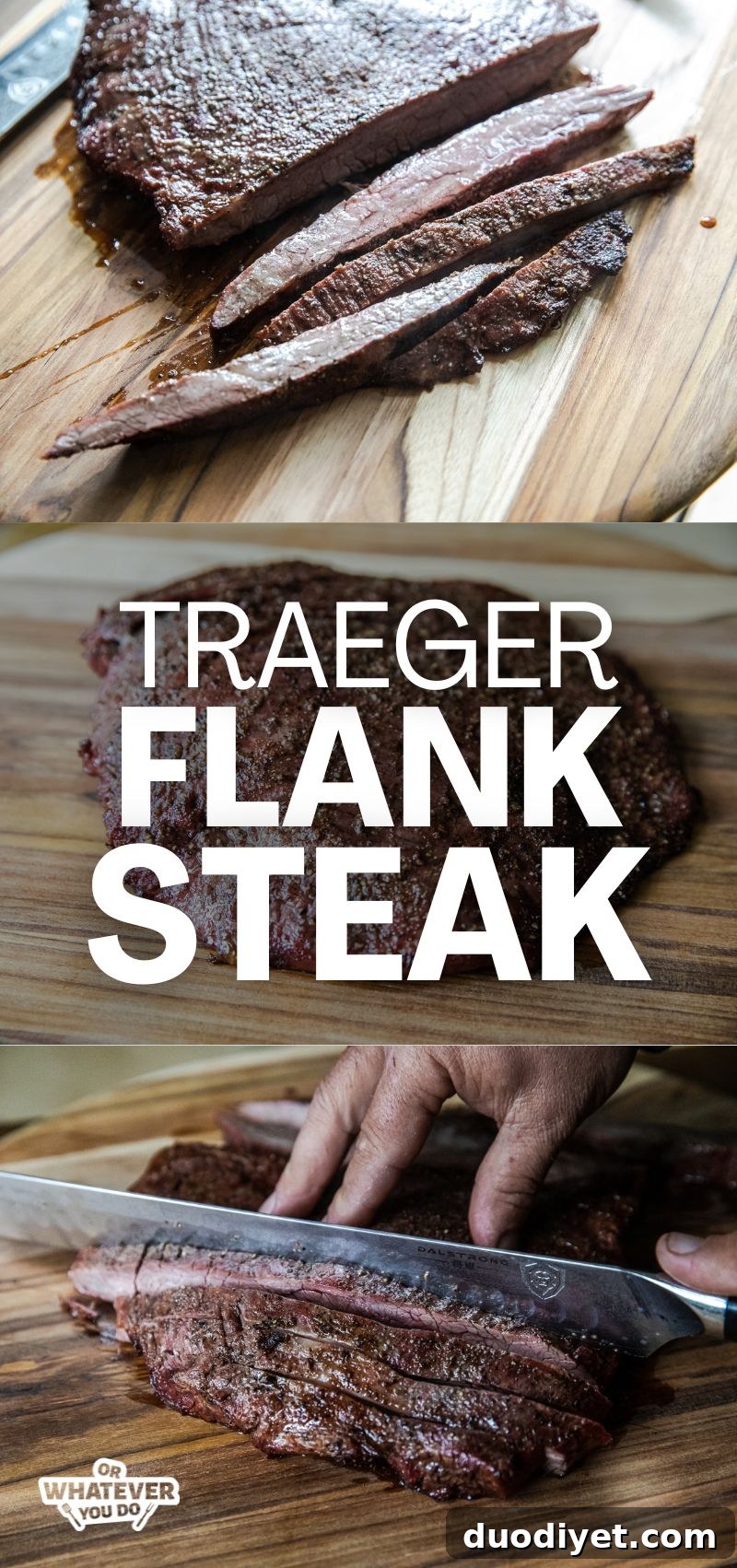
These reverse-seared flank steaks are tender, juicy, and perfectly cooked thanks to the low-and-slow followed by a hot sear.
Cook Time: 2 hours (approx.)
Total Time: 2 hours 10 minutes
Ingredients
- 3 pounds flank steak
- 3 tablespoons steak rub (salt, pepper, garlic blend or similar)
- Butter for serving (optional)
Instructions
- Preheat your pellet grill, smoker, or oven to 225°F (107°C).
- Pat the steaks dry and rub both sides evenly with the steak rub.
- Place the steaks on the preheated grill and cook until the internal temperature is about 10°F (6°C) below your desired finished temperature. (See notes for target temps.)
- Remove the steaks from the grill and tent loosely with foil to keep warm while you raise the heat.
- Increase the grill or searing surface temperature to 450–500°F (232–260°C). Once hot, sear the steaks 2–3 minutes per side to develop a crust.
- Remove, rest briefly, and serve immediately with a pat of butter if desired.
Notes
Pull the steak off the low-and-slow stage at the following internal temperatures to reach the finished temperatures after searing:
- Rare — pull at 115°F (finished about 125°F)
- Medium-rare — pull at 125°F (finished about 135°F)
- Medium — pull at 135°F (finished about 145°F)
Nutrition (estimate per serving): Calories ~871; Total Fat ~37g; Saturated Fat ~15g; Protein ~125g. Nutrition estimates are approximate—consult a trusted source if you need precise values for medical reasons.