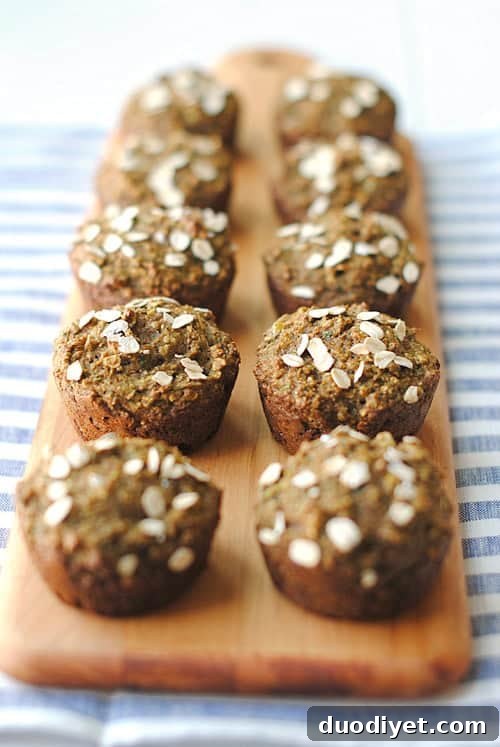
These healthy Juice Pulp Muffins are an excellent way to use leftover fruit and vegetable pulp from juicing — they keep the muffins moist, add fiber, and prevent waste.
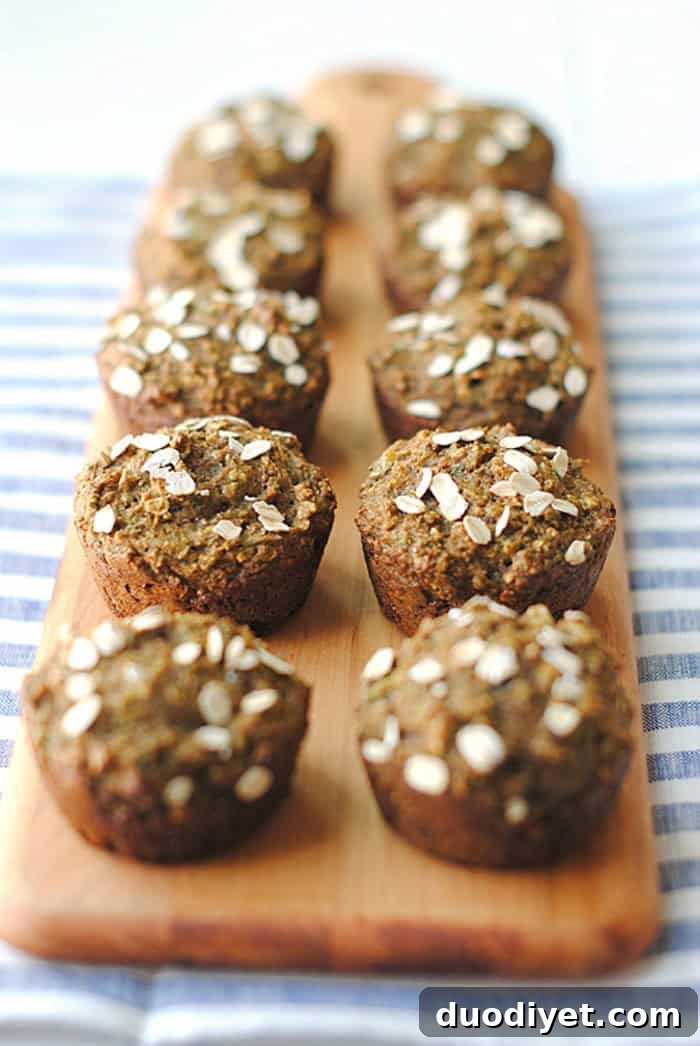
Don’t be put off by the idea of baking with juice pulp — these muffins are genuinely tasty and nutritious. If you juice regularly, you already know that the pulp left in the juicer is full of fiber and flavor. Tossing that pulp feels like wasting perfectly good produce, so this recipe turns it into something delicious for breakfast, a snack, or even a healthier dessert.
I often juice as part of my morning routine and when I want a short reset I’ll juice for a few days while making sure to add protein and leafy salads. One common question is: what should you do with all that colorful pulp? Instead of throwing it away, you can fold it into a muffin batter for texture, moisture and fiber. The muffins below were developed through a little trial and error and produce reliably tender results.
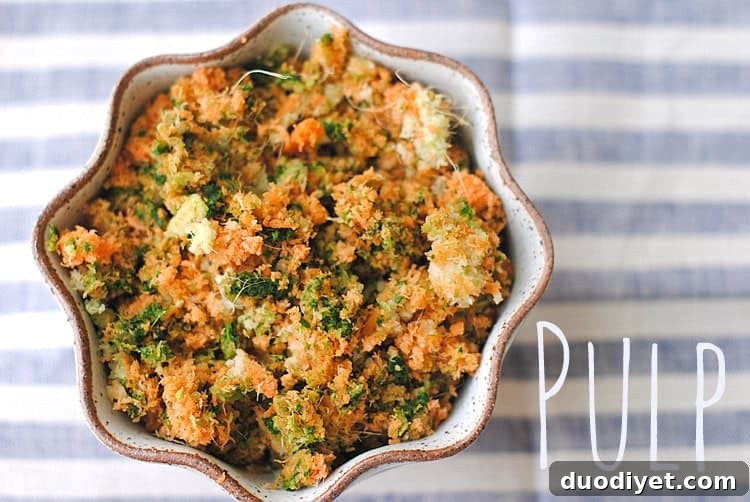
Any mix of fruit and vegetable pulp works well — experimenting is part of the fun. For the batch shown here I used a favorite morning juice: kale, carrots, green apples and a chunk of fresh ginger. Carrots contribute a lot of pulp and a subtle sweetness, while leafy greens and apple pulp add moisture and a mild flavor. These muffins have a pleasant, not-too-sweet profile; if you prefer sweeter muffins, increase the maple syrup or honey to taste. You can also add a scoop of protein powder if you want a post-workout snack.
Juice Pulp Muffins
Summary: These healthy Juice Pulp Muffins are a great way to use up leftover fruit and vegetable pulp from juicing — they make moist, fiber-rich muffins perfect for breakfast or a snack.
Prep Time: 5 mins
Cook Time: 25 mins
Total Time: 30 mins
Servings: 24 muffins
Ingredients
- 3 cups whole wheat pastry flour
- 1/4 cup flax seed meal
- 1/2 teaspoon salt
- 1 tablespoon baking powder
- 1 teaspoon cinnamon
- 1/2 teaspoon nutmeg
- 2 cups fruit/vegetable pulp (for example: about 1 bunch kale, 4 carrots, 2 green apples and a chunk of ginger)
- 1/2 cup plain Greek yogurt
- 1/2 banana, mashed
- 1/2 cup unsweetened almond milk (add a little more if batter is too thick)
- 1/2 cup maple syrup or honey (adjust to taste)
- 1 teaspoon vanilla extract
- Handful of rolled oats for sprinkling on top (optional)
Instructions
- Preheat the oven to 350°F (175°C).
- In a large bowl, whisk together the whole wheat pastry flour, flax seed meal, salt, baking powder, cinnamon and nutmeg until evenly combined.
- Add the juice pulp to the dry ingredients, then stir in the Greek yogurt, mashed banana, almond milk, maple syrup (or honey) and vanilla extract.
- Mix the batter until it is just combined; avoid overmixing. If the batter seems too thick, add a little more almond milk, a tablespoon at a time, until it reaches a scoopable consistency.
- Lightly spray or line muffin tins and fill each cup about two-thirds full with batter. Sprinkle a few rolled oats on top of each muffin if desired.
- Bake for 20–25 minutes, or until a toothpick inserted in the center comes out clean. Allow muffins to cool in the pan briefly, then transfer to a wire rack to finish cooling.
- Store cooled muffins in an airtight container at room temperature for a few days, or freeze for longer storage. Reheat briefly before serving if you prefer them warm.
Tips and Variations
– Swap the whole wheat pastry flour for a gluten-free blend if needed, and add an extra binder such as a flax egg if necessary.
– Add mix-ins like chopped nuts, raisins, dried fruit, or a small amount of chocolate chips for variety.
– If you want a higher-protein muffin, stir in a scoop of protein powder (reduce flour slightly to keep the texture balanced).
– Adjust sweetness with more or less maple syrup or honey depending on how sweet the pulp is.
– These muffins are a great way to reduce food waste while keeping a healthy boost of fiber in your diet.
Nutrition
Serving: 1 muffin • Calories: 85 kcal • Carbohydrates: 17.8 g • Protein: 2.9 g • Fat: 0.7 g • Saturated Fat: 0.1 g • Fiber: 2.7 g • Sugar: 4.9 g
Nutrition information is automatically calculated and should be used as an approximation.