
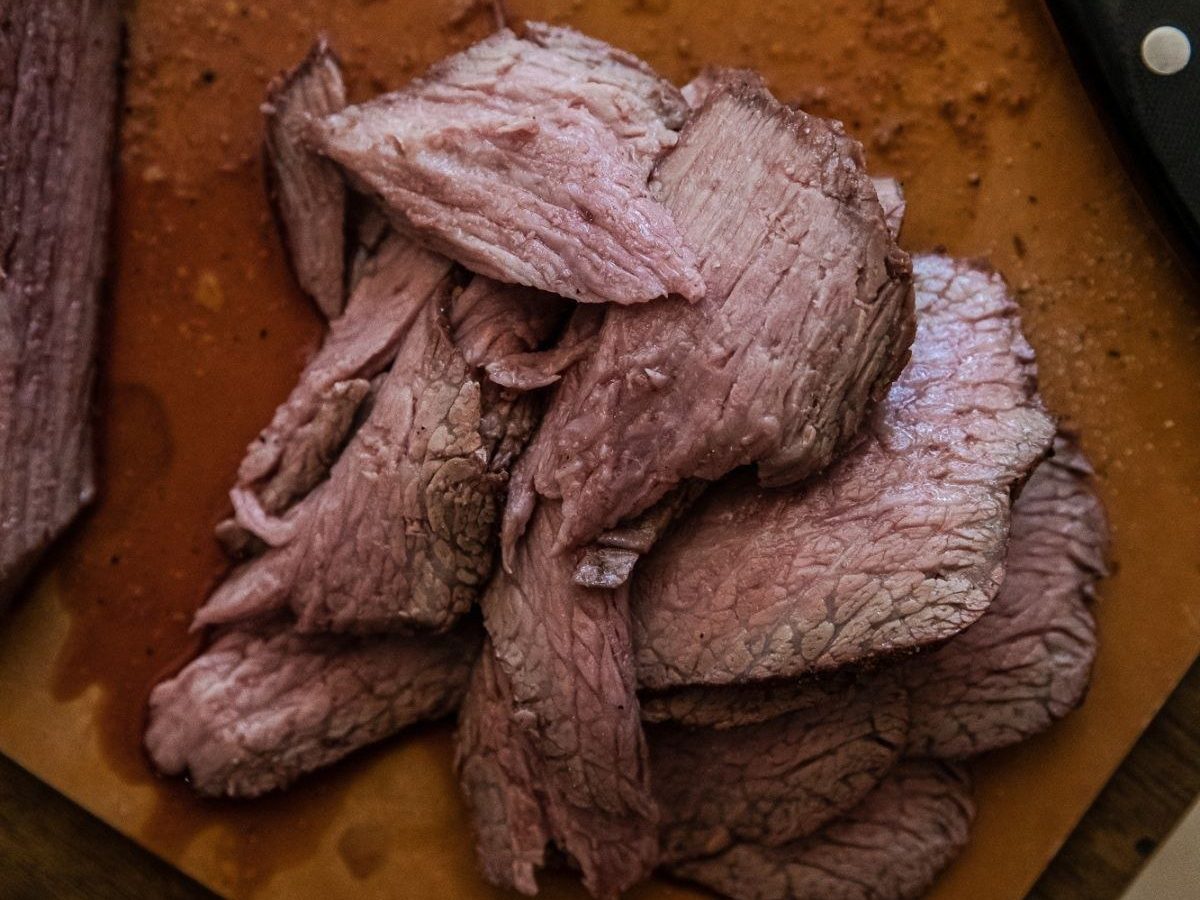
Tri-tip is more than just another cut of beef — it’s a flavorful, affordable, and versatile roast that rewards attention and the right technique. To get the most from this triangular cut from the lower sirloin, you’ll want to use methods that highlight its beefy taste and deliver tender, juicy slices.
This guide covers everything you need to know to cook tri-tip perfectly: choosing and preparing the cut, seasoning and marinating, and three reliable cooking methods — reverse searing, sous vide, and oven roasting — plus tips for slicing and serving.
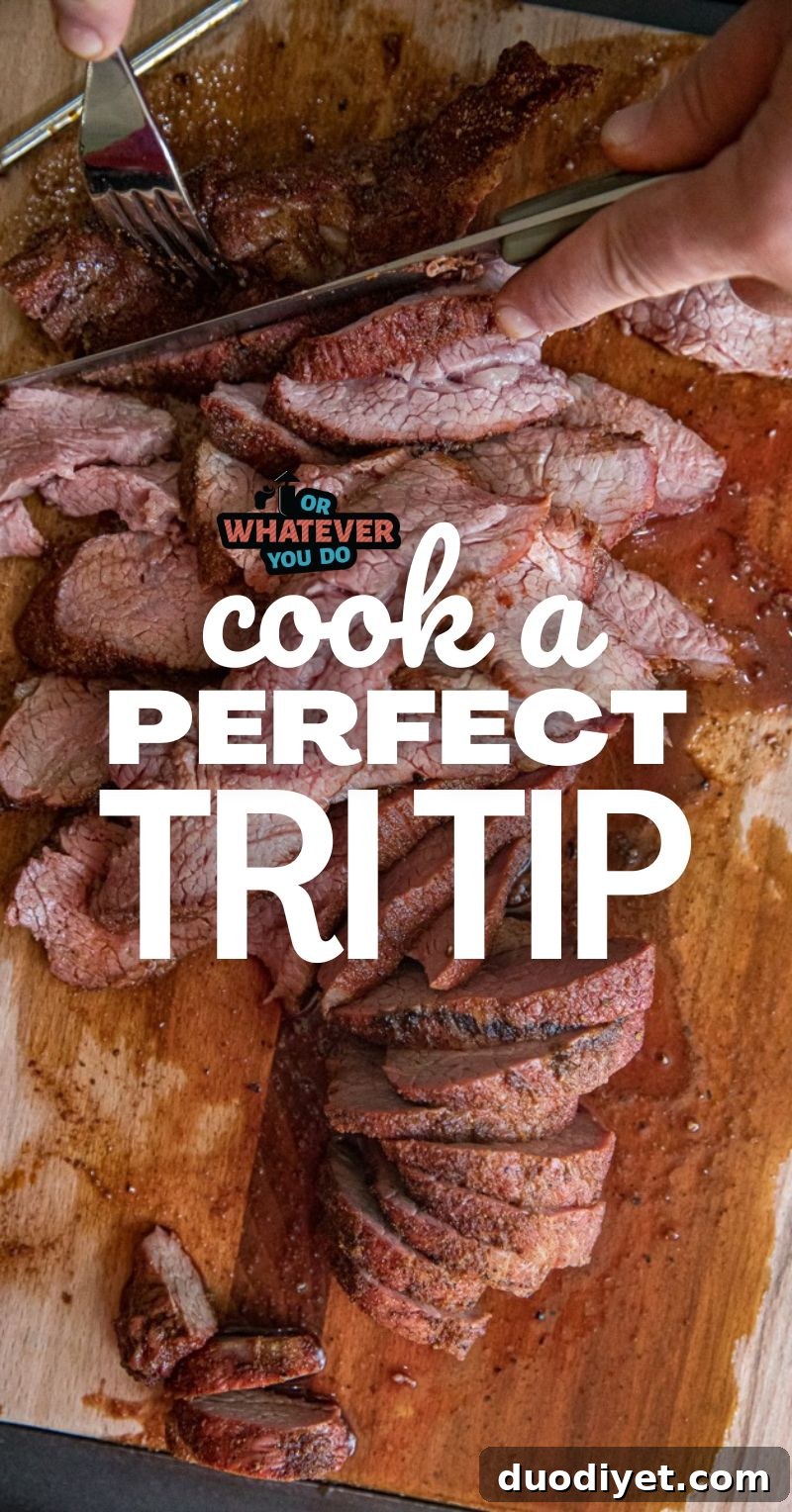
The Ultimate Guide to Cooking Tri-Tip
What makes tri-tip special? This triangular piece of beef from the bottom sirloin combines rich flavor with a relatively modest price point. Its shape and grain structure mean it needs a little more care than a standard steak, but with the right approach it produces spectacular results.
Below you’ll find clear, practical instructions whether you plan to grill, smoke, roast, or sous vide your tri-tip. Follow the techniques and temper your expectations with patience — the difference between a good roast and an exceptional one is often technique and timing.
Try it alongside a crisp homemade coleslaw for balance and brightness.
Understanding the Tri-Tip
Tri-tip is often overlooked, but once you learn its quirks you’ll appreciate how reliably delicious it can be. Its triangular shape and two-direction grain pattern mean proper slicing and cooking make a big difference.
What is tri-tip?
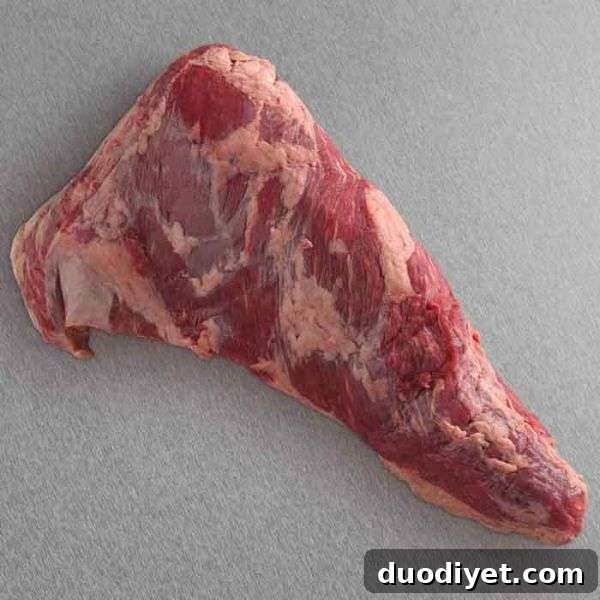
Tri-tip comes from the bottom sirloin and is named for its triangular shape. Each carcass yields one tri-tip per side. It isn’t as universally known as ribeye or tenderloin, but it has a deep, beef-forward flavor and becomes tender when cooked properly.
It’s a staple in California barbecue traditions and increasingly popular nationwide because it delivers great taste and value.
Characteristics of a good tri-tip
Look for deep-red color and even marbling. The thin veins of fat add juiciness and flavor as the meat cooks. Note the grain changes direction halfway through the roast — this is important when slicing to ensure tenderness.
Where to buy quality tri-tip
You can find tri-tip at many supermarkets (sometimes under names like bottom sirloin or Santa Maria steak) or at local butchers. For the best flavor, consider reputable suppliers selling grass-fed or higher-quality beef. A trusted butcher can also trim and point out the grain for you.
Pair with a tangy homemade BBQ sauce for a classic combo.
Tri-Tip Preparation Basics
Seasoning
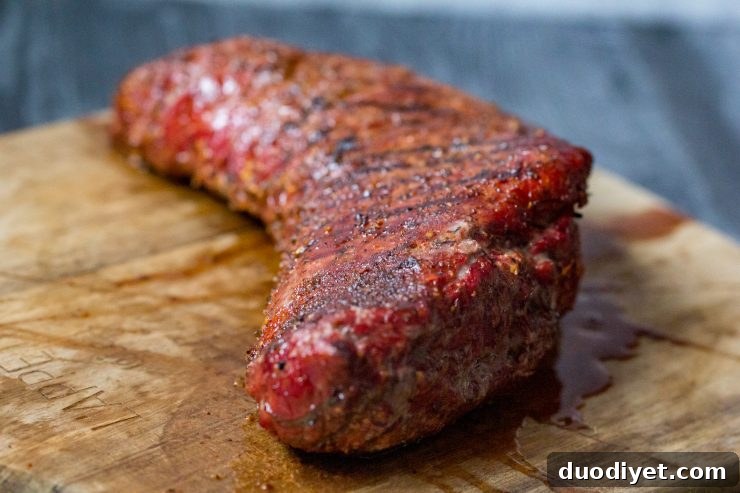
Keep seasoning simple: salt and freshly ground black pepper are enough to highlight the beef. If you want more complexity, add garlic powder, onion powder, smoked paprika, or a salt-forward rub with a touch of horseradish powder for bite. Use roughly 2–3 tablespoons of seasoning for a 3–4 pound roast.
To marinate or not to marinate
Marinating is optional. For leaner or less well-marbled tri-tips, a short marinade of olive oil, acid (vinegar or citrus), and aromatics can boost tenderness and flavor. For high-quality, well-marbled pieces, straightforward seasoning is often preferable so the beef flavor remains the star.
A classic Traeger-style tri-tip is a great way to smoke this roast.
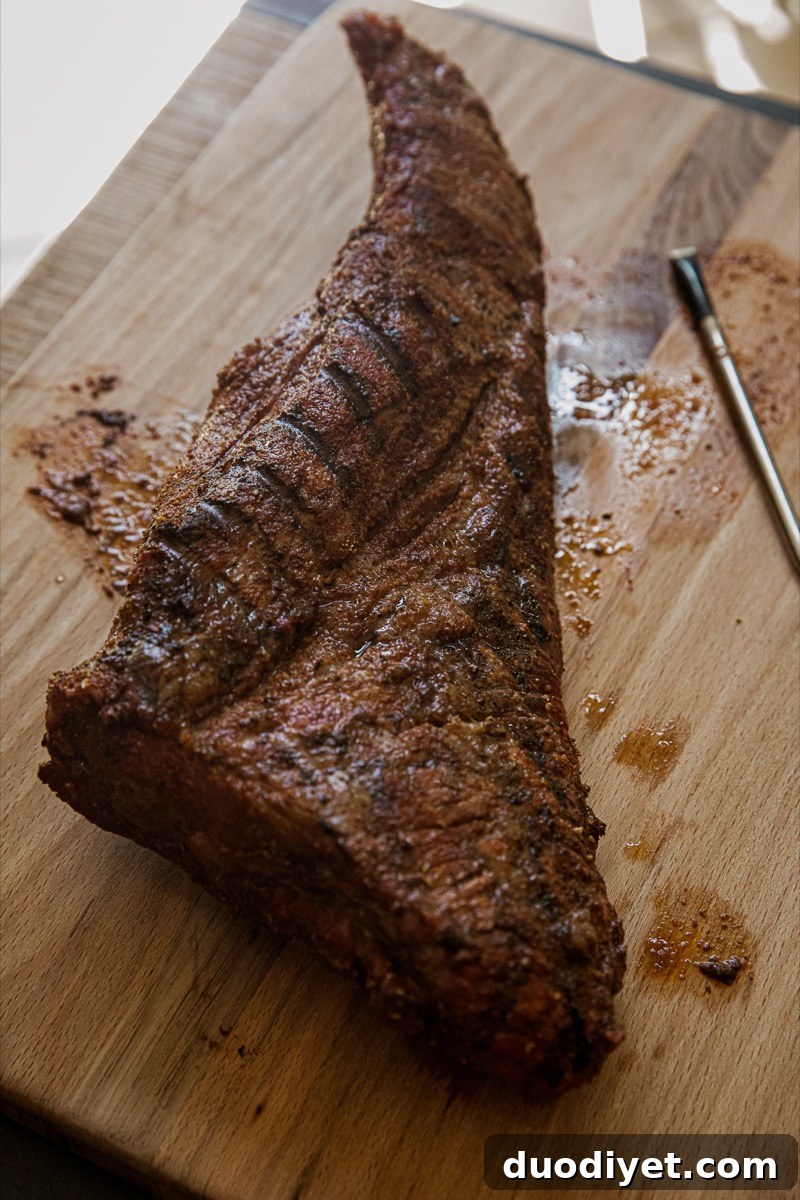
Reverse Searing Method
Reverse searing is ideal for even doneness and a well-developed crust. Start with low, indirect heat to bring the center up gently, then finish over very high heat for a crisp, flavorful bark.
Typical approach: smoke or grill low at about 220–250°F until the internal temperature reaches roughly 110–115°F, then move to direct high heat and sear until the roast reaches 125–130°F for medium-rare. Let it rest before slicing.
Tips for perfect reverse searing
Be patient during the low-and-slow phase for even cooking. Rest after the slow cook and again after the high-heat sear so juices redistribute. Watch for flare-ups during searing and turn frequently to avoid burning the exterior.
Try smoked sides like mac and cheese to complete the meal.
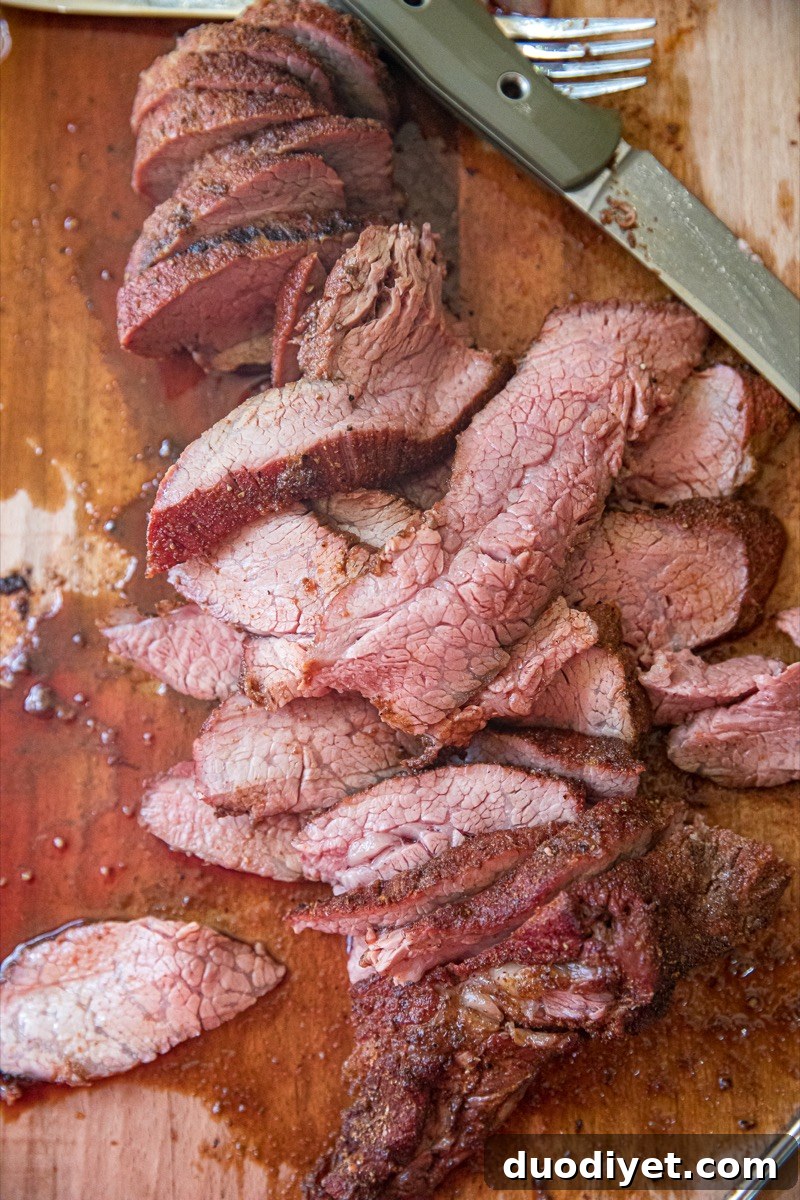
Sous Vide Method
Sous vide gives exact temperature control for consistent doneness edge-to-edge. Season and vacuum-seal the roast, then cook in a water bath set to your target temperature (about 125°F for medium-rare). Cook 4–6 hours depending on thickness. Finish with a hot sear to form a crust and rest briefly before slicing.
Advantages of sous vide
Sous vide preserves moisture, concentrates flavor, and prevents overcooking. It’s especially useful when you want predictable, repeatable results and the freedom to plan timing for other dishes.
Oven Roasting Method
Oven roasting is simple and reliable. Preheat to 425°F, place the seasoned tri-tip on a rack in a roasting pan, and roast until the internal temperature reaches about 125–130°F for medium-rare. Rest 10–15 minutes before slicing. Use a meat thermometer to avoid overcooking.
Serve sliced tri-tip in sandwiches or over rice or salad.
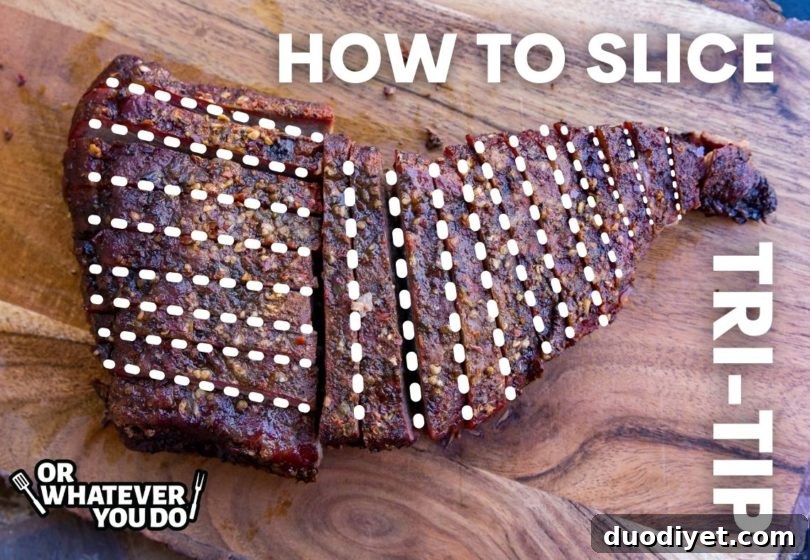
How to properly slice a tri-tip
Always slice against the grain. Because the grain changes direction halfway through the roast, split the tri-tip where the grain shifts and slice each section perpendicular to its grain. Thin, even slices yield the most tender bites.
A grilled steak sandwich is a perfect use for leftover tri-tip.
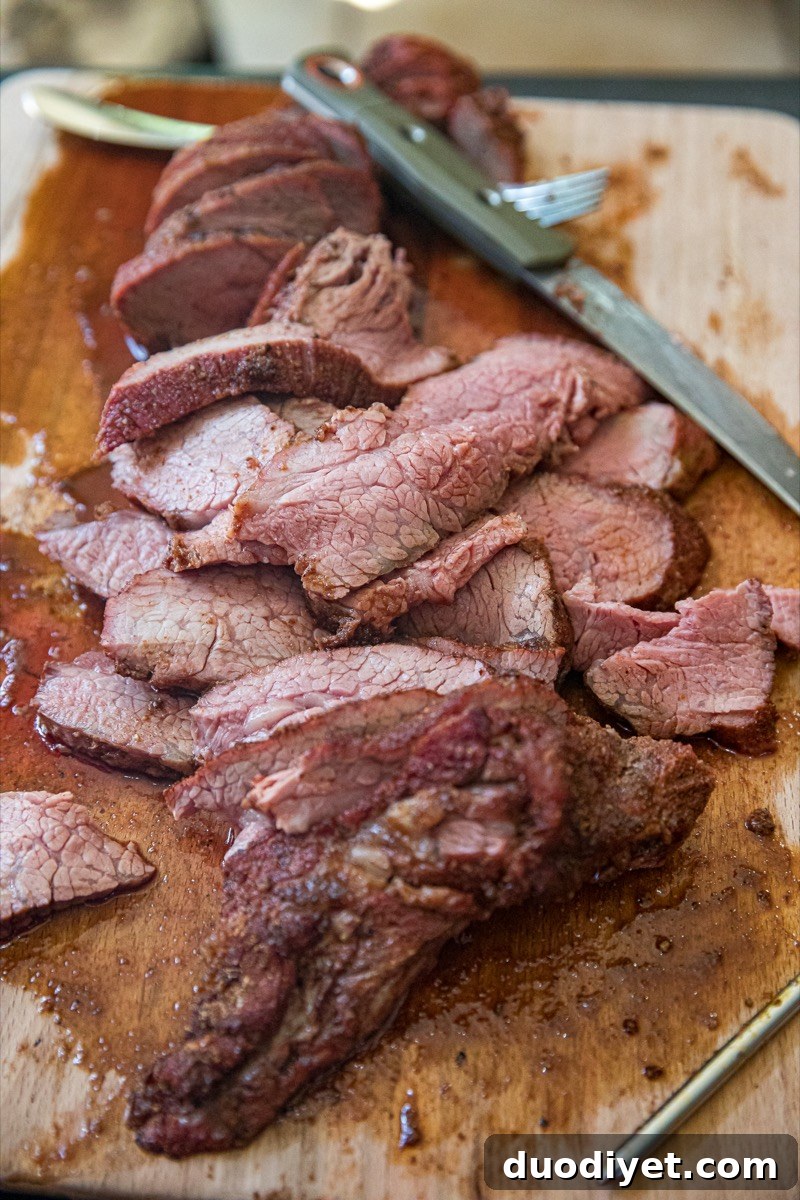
Tri-Tip FAQ
Does sous vide make tri-tip too soft?
Not when done properly. Sous vide cooked at the right temperature and time yields a tender, evenly cooked roast — not mushy meat. Choose a temperature appropriate to your desired doneness and follow recommended cook times for best texture.
Why does my oven-roasted tri-tip turn out dry?
Overcooking is the usual culprit. Use a reliable meat thermometer and remove the roast when it reaches the target internal temperature (125–130°F for medium-rare). Rest the meat after cooking so juices redistribute before slicing.
Quick Recipe Card: How to Cook a Perfect Tri-Tip
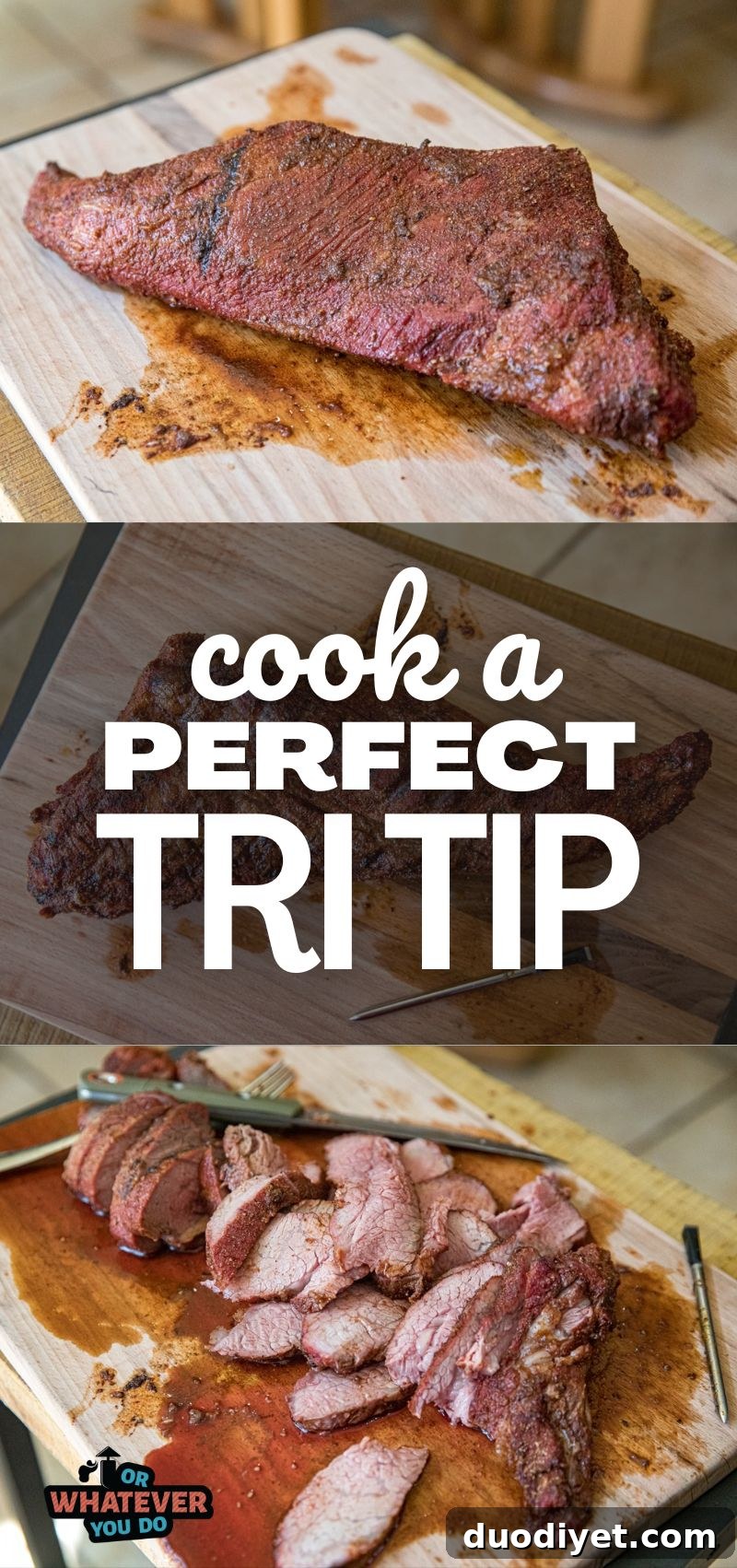
Ingredients
- 3–4 pound tri-tip roast
- 2–3 tablespoons coarse salt and freshly ground black pepper or your favorite beef rub
Basic Instructions
- Choose your method: grill (direct or reverse sear), oven roast, or sous vide. Preheat accordingly.
- Season the roast generously with salt, pepper, or a rub. Let it rest at room temperature for 30–60 minutes before cooking if time allows.
- For reverse sear: cook low (220–250°F) until 110–115°F, then sear over high heat to 125–130°F for medium-rare. Rest 10–15 minutes.
- For sous vide: set water bath to about 125°F for medium-rare, vacuum-seal the seasoned roast, and cook 4–6 hours. Sear quickly on very high heat, then rest 5–10 minutes.
- For oven roasting: preheat to 425°F, roast on a rack until 125–130°F, then rest 10–15 minutes.
- Slice against the grain, dividing the roast where the grain changes direction, and serve.
More BBQ Favorites
- Smoked baked beans — a smoky, savory side that complements beef.
- Greek salad — bright, fresh flavors that cut through richness.
- Smoked chicken gorgonzola pasta salad — creamy and savory for potlucks.
- Grilled vegetables — quick, smoky sides like zucchini and squash.
- Grilled cheddar bay biscuits — flaky and rich to round out the meal.