
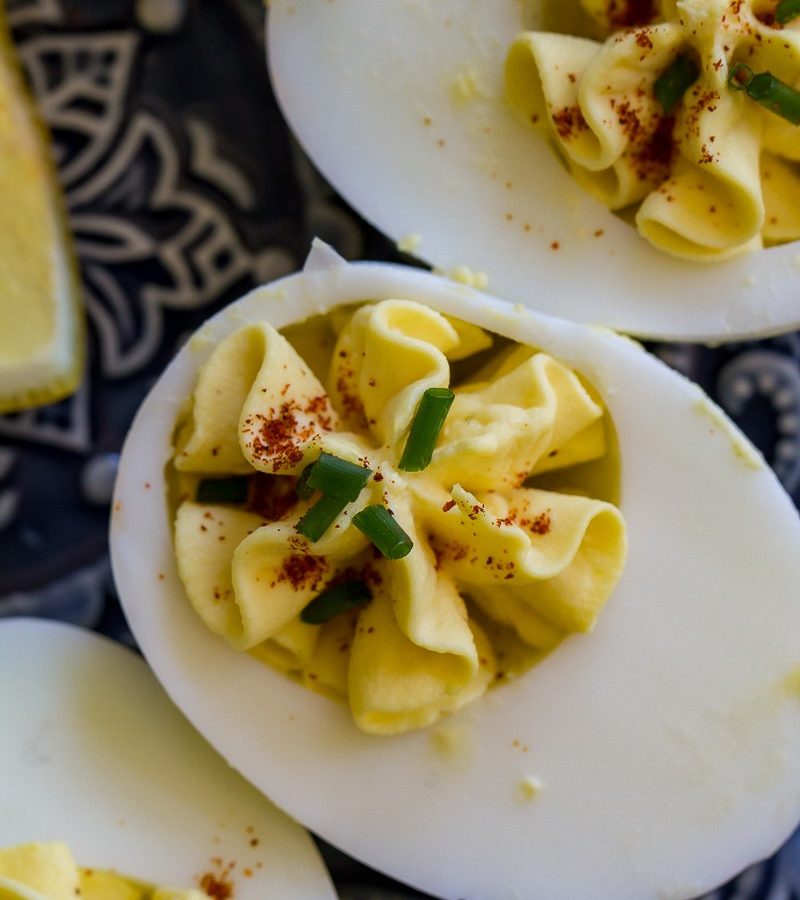
Deviled Eggs are a classic appetizer I reach for at holidays and backyard gatherings. This traditional deviled eggs recipe is simple, reliable, and always a crowd-pleaser—expect guests to come back for seconds.
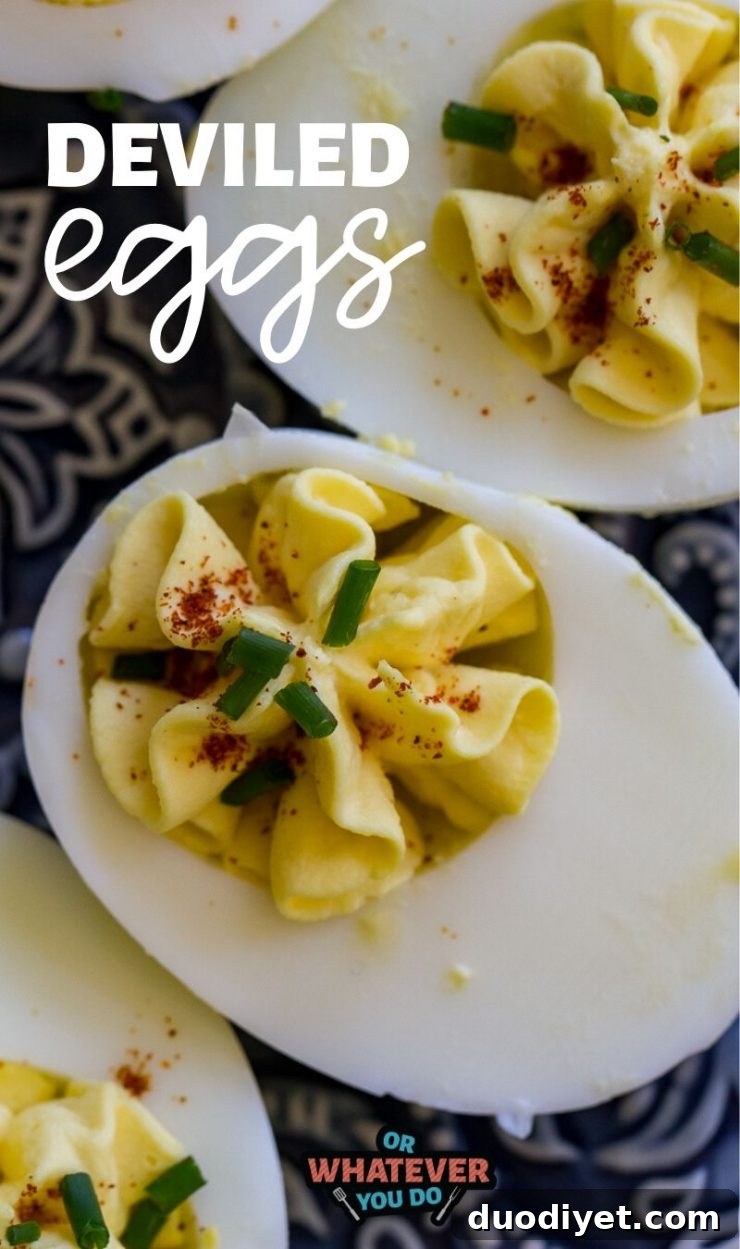
Easy Deviled Eggs Recipe
Good deviled eggs come down to a few essentials: perfectly cooked egg whites, a smooth, well-seasoned yolk filling that holds its shape, and a finishing touch of paprika and fresh herbs. This guide walks through foolproof methods for boiling, peeling, preparing the filling, and finishing the eggs so they look and taste their best.
Getting the Egg Whites Just Right
Place the eggs in a single layer in a large pot and cover them with cold water, with about two inches of water above the eggs. Add a tablespoon of white vinegar to the water—this helps with the cooking and can make peeling easier. Bring the pot to a rolling boil over high heat. Once the water boils, remove the pot from the heat, cover it with a lid, and let the eggs sit in the hot water for 12–13 minutes. This method yields firm, fully set egg whites without the risk of overcooking.
After the time is up, drain the hot water and immediately transfer the eggs to an ice bath or a bowl of very cold water to stop the cooking. Chill until they reach room temperature, then refrigerate for a few hours if possible—cool eggs are much easier to handle and peel.
How to Peel Hard-Boiled Eggs
Peeling eggs can be the most frustrating part of making deviled eggs, but a simple technique makes it much easier. Lightly crack the shell all over by tapping the egg on a counter, then place the cracked eggs back into cold water for a few minutes. Water will seep between the shell and the membrane, allowing the shell to lift away smoothly. Start peeling at the wider end, where an air pocket often forms, and the shell should come off in larger pieces.
Preparing the Yolks for Filling
Once peeled, slice the eggs in half lengthwise and gently scoop the yolks into a bowl. The yolks should be a bright yellow to orange color; a greenish ring indicates slight overcooking and can affect color and aroma. Mash the yolks until smooth before blending them with the other filling ingredients so the final texture is creamy and uniform.
Mayo, Miracle Whip, or Aioli—Which to Use?
The choice of binder shapes the flavor: mayonnaise gives a rich, neutral creaminess; Miracle Whip adds a sweeter, tangier profile; aioli contributes olive oil and garlic notes. All are emulsified sauces and will create a smooth filling when mixed with mashed yolks. Season to taste with mustard, salt, and a little vinegar, and adjust the binder quantity to achieve a filling that holds its shape but is still easy to pipe or spoon.
What Kind of Mustard Works Best?
Dijon mustard is an excellent choice for deviled eggs: it adds depth and a subtle tang without overpowering the yolk. Smooth, seedless Dijon creates a creamier filling; if you prefer texture, a grainy mustard adds tiny bursts of flavor. If you’re using sweet or bright yellow mustard, be aware it will change the filling’s color and flavor profile.
Finishing Touches: Paprika and Chives
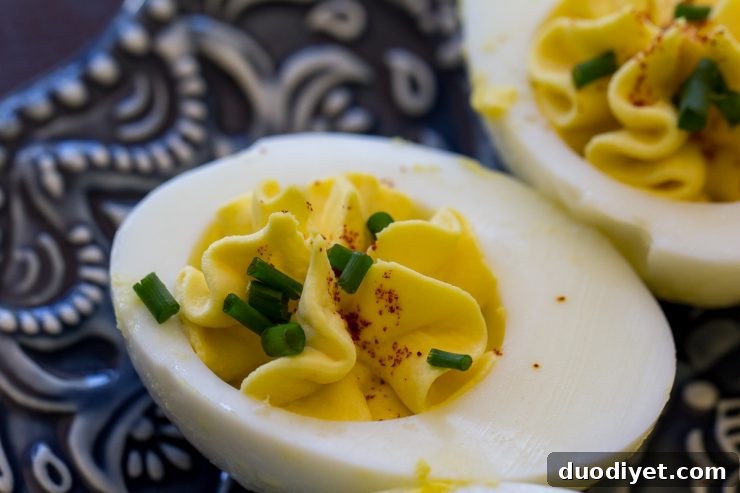
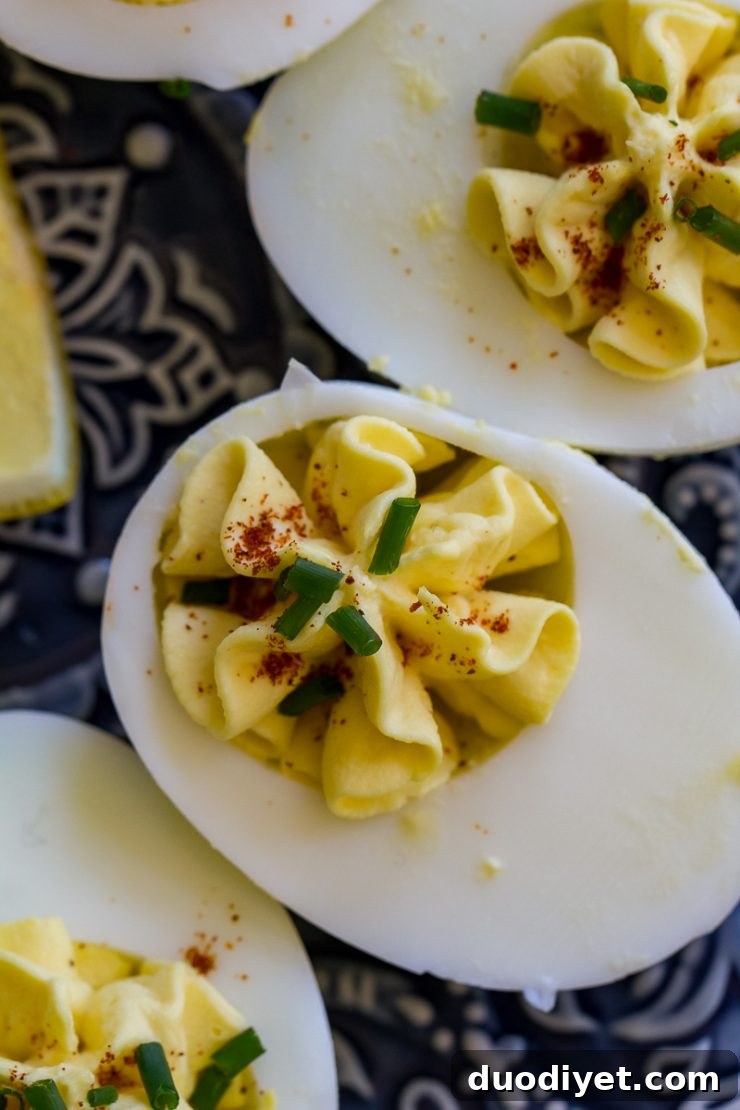
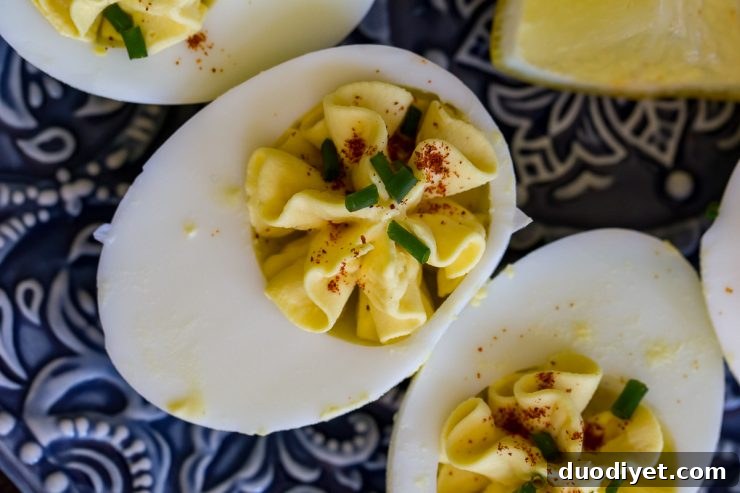
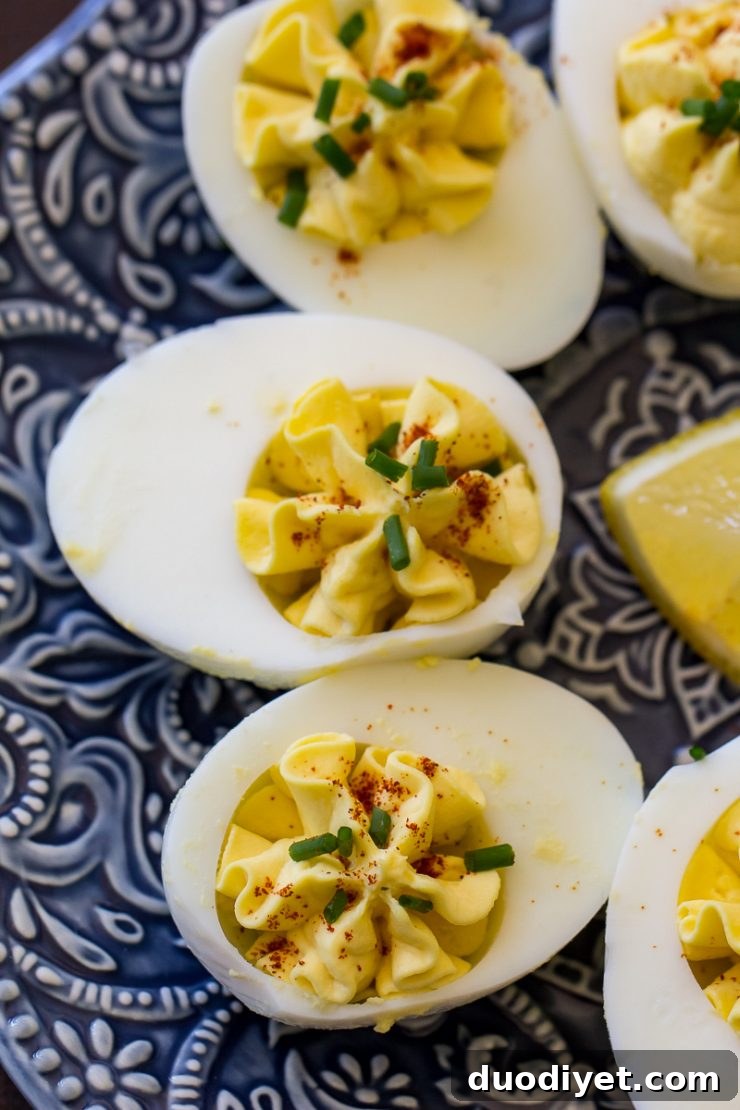
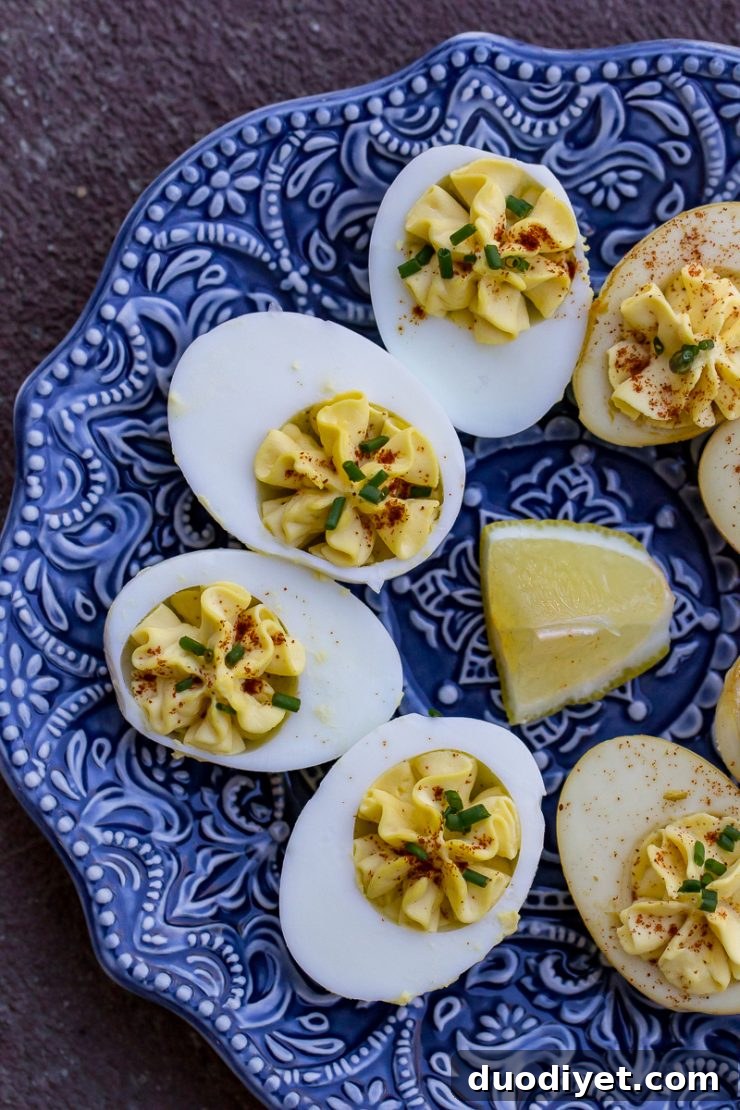
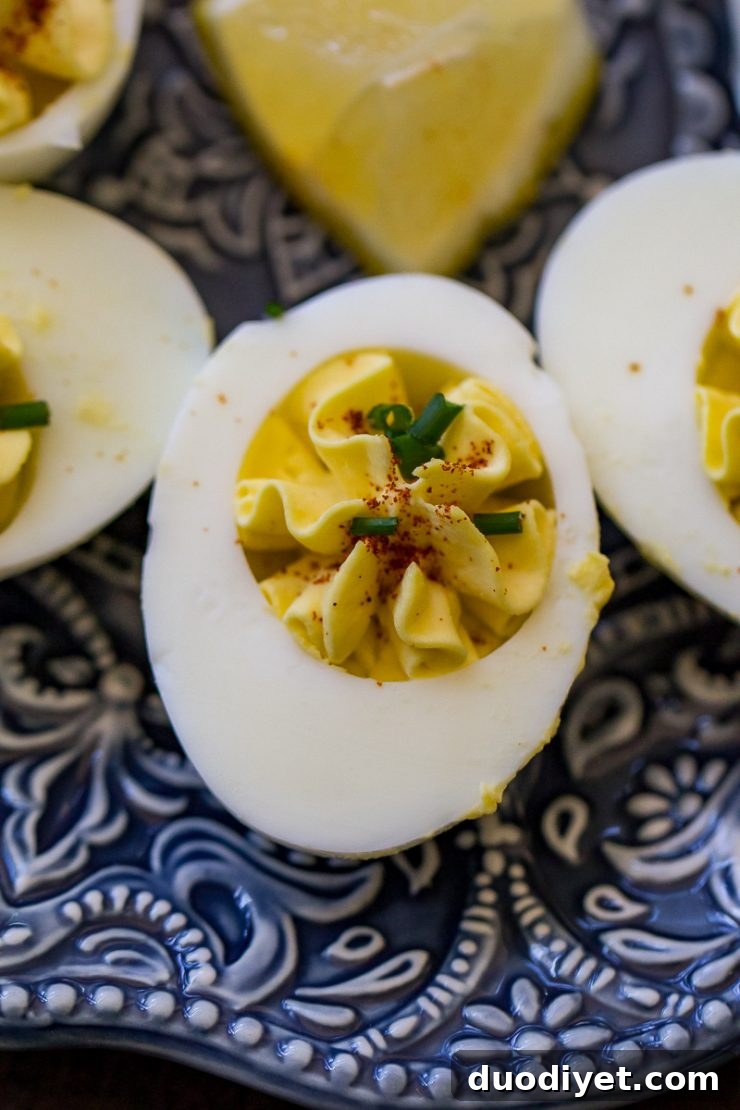
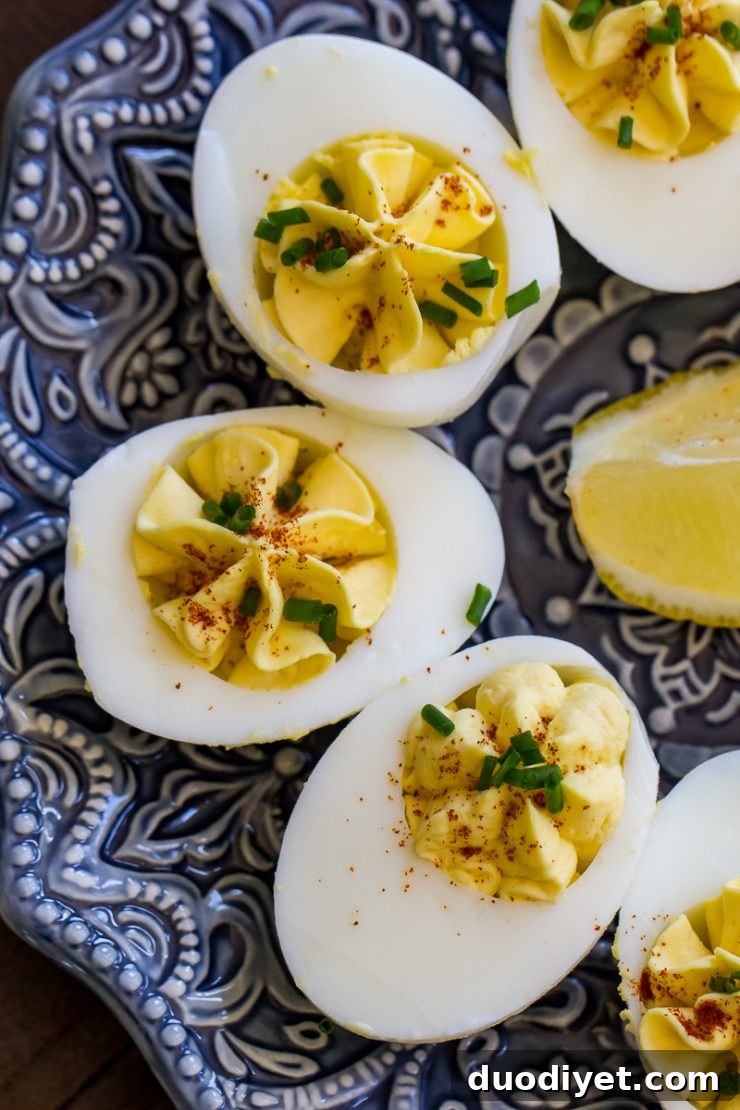
A light dusting of paprika and a sprinkle of finely chopped chives are classic garnishes that add color and a hint of flavor. If chives aren’t available, parsley or thinly sliced scallions work well. The goal is balance: garnish for contrast and freshness without overwhelming the delicate yolk mixture.
Seasoning Variations
You can customize the filling with additions like finely chopped pickles, capers, or a touch of sweet relish. These ingredients bring brightness and acidity but also add moisture—if you include them, reduce vinegar or other liquids so the filling remains pipeable and not runny. Smoked paprika or a small amount of hot sauce can introduce a pleasant smoky or spicy note.
Serving, Storage, and Pairings
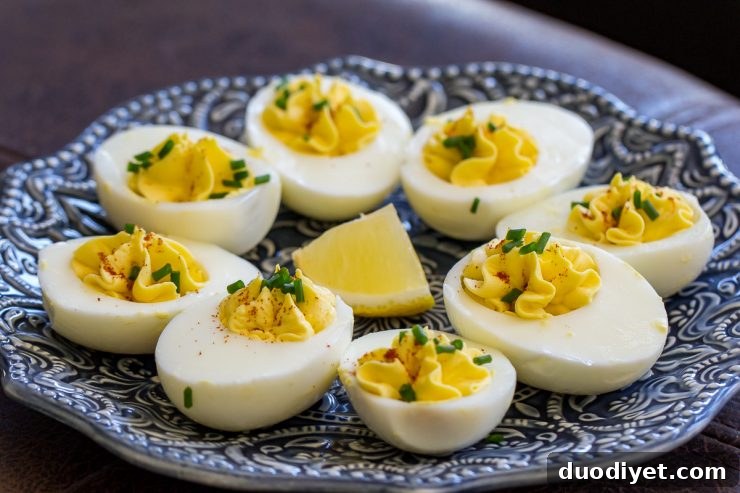
Deviled eggs are ideal for brunch, potlucks, and appetizers. Transport them easily in a purpose-built egg carrier for gatherings. To store, refrigerate in a covered container for up to two days; the filling can be prepared and piped just before serving for the best appearance. They pair nicely with light salads, smoked meats, or classic brunch beverages.
- Perfect scrambled eggs
- Eggs Benedict
- Smoked salmon scrambled eggs
Deviled Eggs
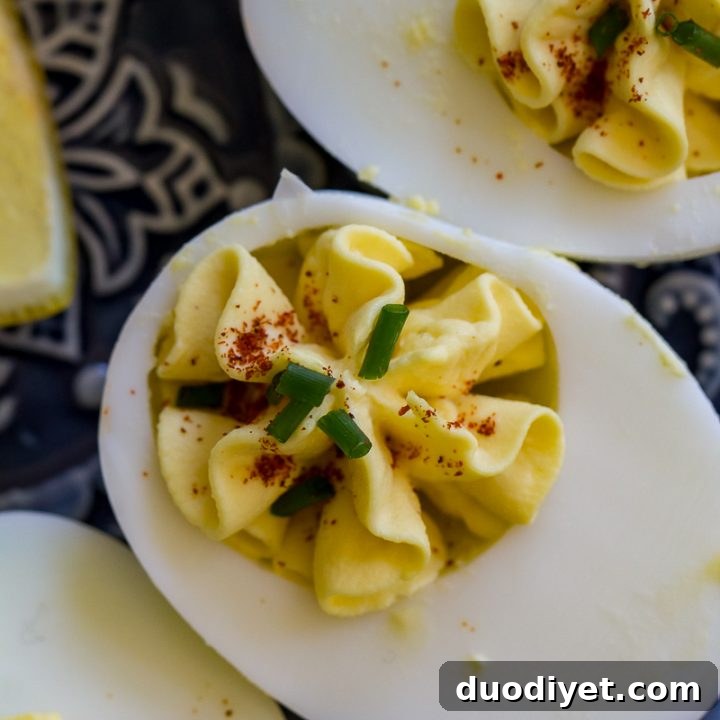
Traditional deviled eggs are an easy, nostalgic addition to any buffet or holiday table. Follow these steps for dependable results.
Prep Time: 5 minutes
Cook Time: 15 minutes
Total Time: 20 minutes
Ingredients
- 12 eggs
- Water (enough to cover the eggs plus 2 inches)
- 1 tablespoon white vinegar (in the cooking water)
- ⅛ cup mayonnaise
- 2 teaspoons sugar
- 1 tablespoon Dijon mustard
- ½ teaspoon salt, or to taste
- 1 tablespoon chopped chives
- ⅛ teaspoon paprika
Instructions
- Place the eggs in a large pot and cover with cold water, leaving about 2 inches of water above them. Add 1 tablespoon white vinegar.
- Bring to a boil over high heat. Once boiling, remove the pot from heat, cover, and let the eggs sit in the hot water for 12 minutes.
- Drain and transfer the eggs to cold water or an ice bath to cool completely. Refrigerate until chilled.
- Peel the eggs, rinse if needed, and slice each egg in half lengthwise. Carefully scoop out the yolks into a bowl and arrange the whites on a serving platter.
- Mash the yolks with the mayonnaise, sugar, Dijon mustard, and salt until smooth and lump-free. Taste and adjust seasoning as needed.
- Transfer the filling to a piping bag fitted with a star tip or use a spoon to fill the egg white hollows.
- Garnish with chopped chives and a light sprinkle of paprika before serving.
Nutrition Information (per serving)
Calories: 136 • Total Fat: 10g • Saturated Fat: 3g • Cholesterol: 280mg • Sodium: 318mg • Carbohydrates: 2g • Protein: 10g
Nutrition data is an estimate.
With a few simple techniques and the right proportions, this deviled eggs recipe delivers creamy, flavorful results every time. Experiment with small variations—mustard type, a hint of hot sauce, or chopped pickles—to make the recipe your own while keeping the classic appeal intact.