
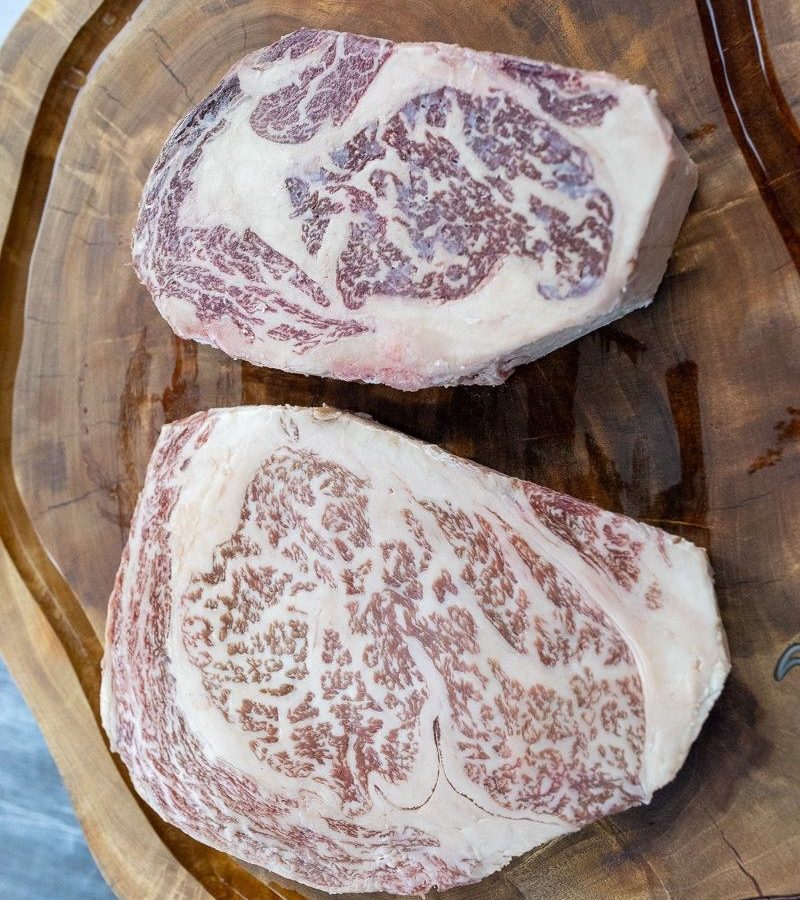
Curious about the difference between A5 Wagyu and American Wagyu? I tasted and compared both, and here’s a clear, practical guide to what sets them apart—flavor, texture, cooking approach, and value for money.
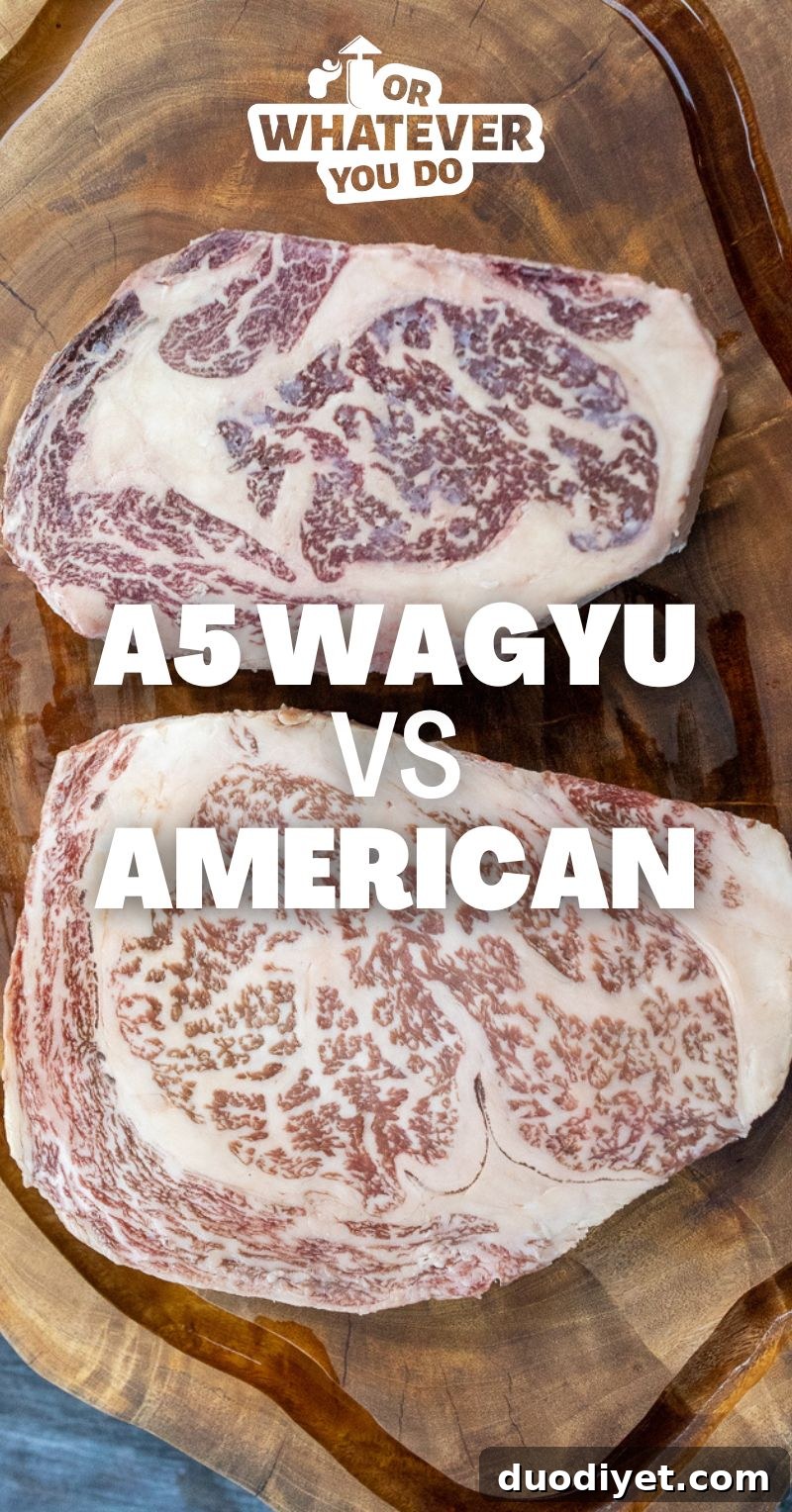
A5 Wagyu vs American Wagyu
A5 Wagyu refers to the highest grade of Japanese Wagyu beef. It is prized for its intense marbling, buttery texture, and nuanced, rich flavor. Japan’s grading system evaluates factors such as marbling, meat color and brightness, firmness, and fat quality. Only a small percentage of Japanese cattle achieve the A5 designation, which is why A5 Wagyu is widely regarded as a luxury product and is often reserved for special-occasion dining.
American Wagyu describes beef produced in the United States from cattle with Wagyu ancestry—often crossed with Angus or other breeds. Producers in the U.S. combine Wagyu genetics with American ranching and feeding practices. The result is beef with excellent marbling and tenderness that often delivers many of the sensory qualities associated with Japanese Wagyu, but usually at a lower price point.
Because American Wagyu is produced domestically at larger scale and without the same import costs, it tends to be more accessible. High-quality American Wagyu can be an outstanding everyday or special-occasion steak that provides most of the Wagyu experience—rich flavor and tender mouthfeel—without the same premium price as A5 Japanese Wagyu.
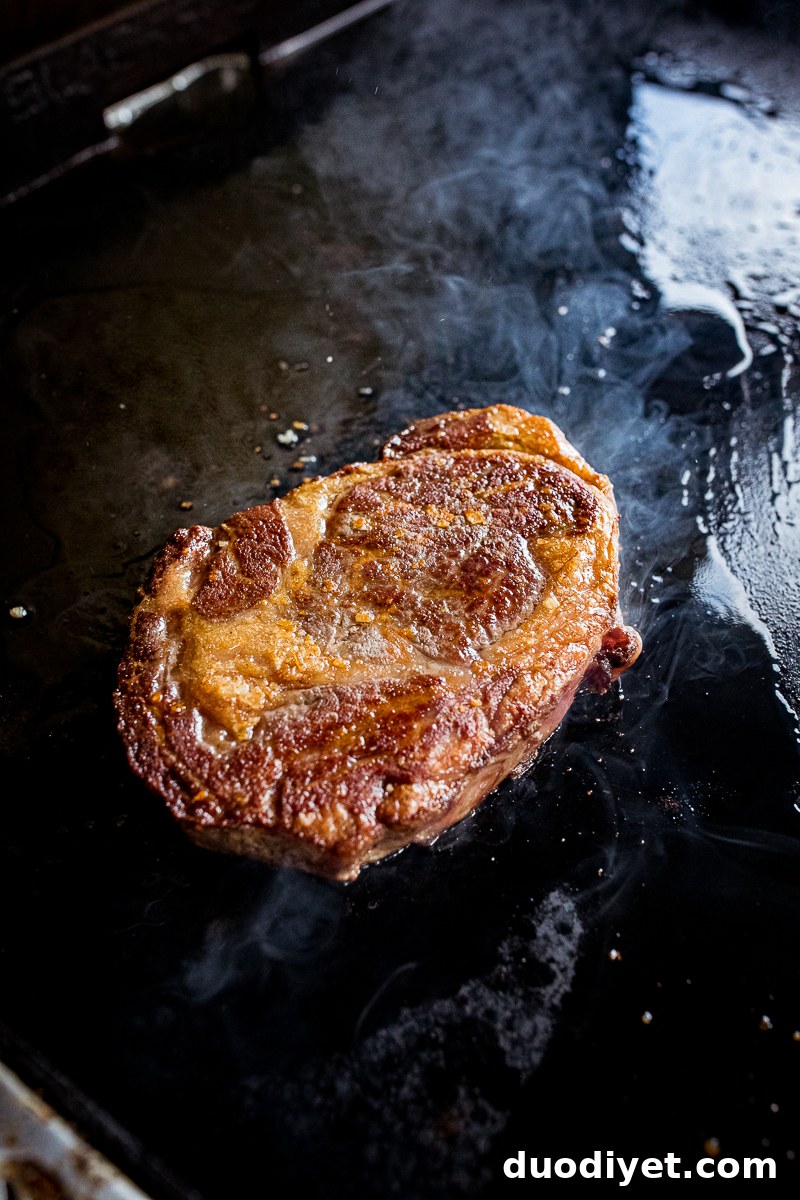
Blackstone American Wagyu Manhattan NY Filet!
What about the price?
Price is one of the clearest differences. Authentic Japanese A5 Wagyu is expensive—often several times the cost of American Wagyu—because of limited supply, specialized breeding and feeding, and export-related costs. American Wagyu is generally priced lower and can be competitive with U.S. prime beef, making it an attractive choice for regular steak dinners or for those who want high-end flavor without the extreme premium.
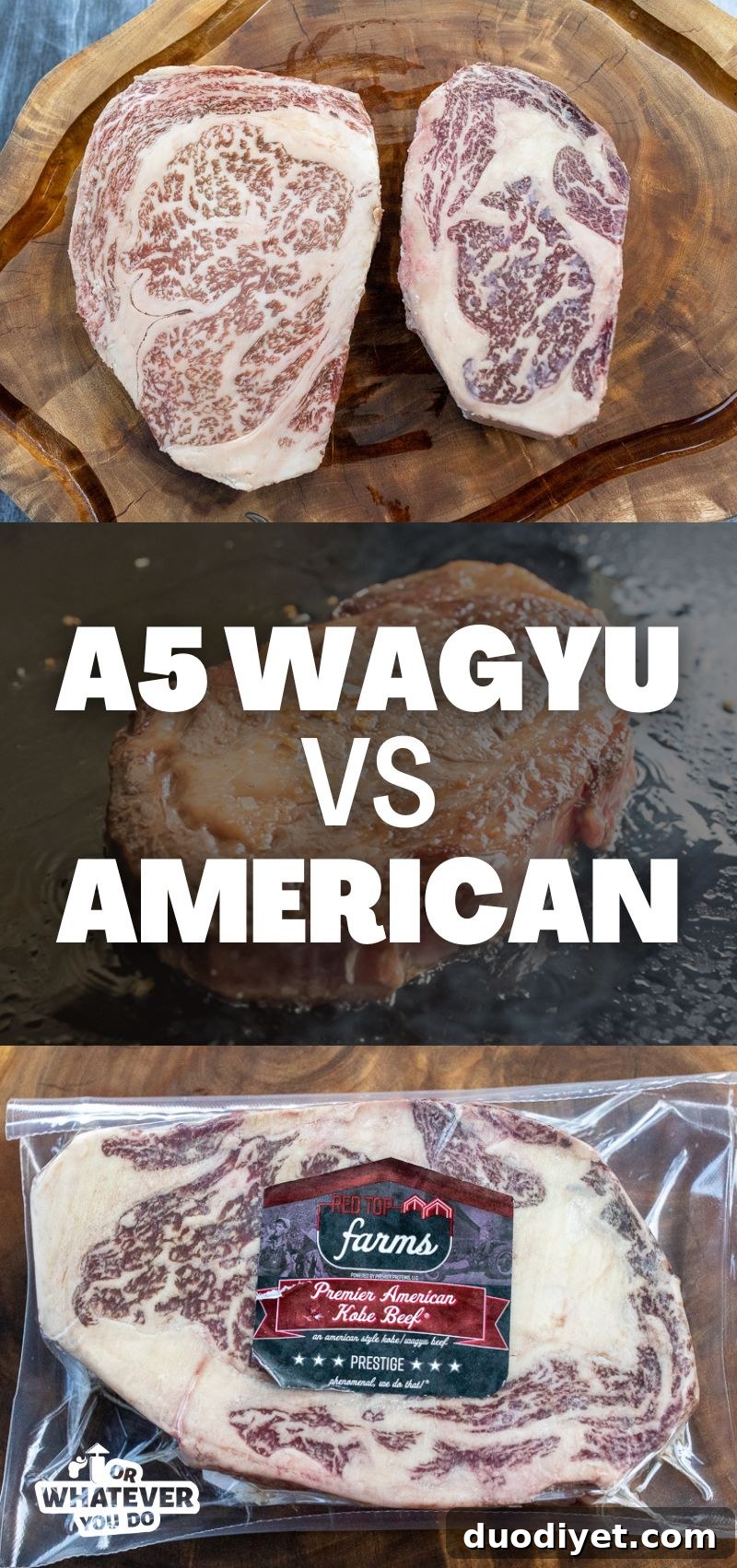
The exact price gap varies by cut, brand, and retailer. For example, a Japanese A5 ribeye from specialty purveyors will typically command a much higher price than an American Wagyu ribeye of similar size. That difference reflects both scarcity and the A5 grading standards.
JAPANESE A5 WAGYU RIBEYE
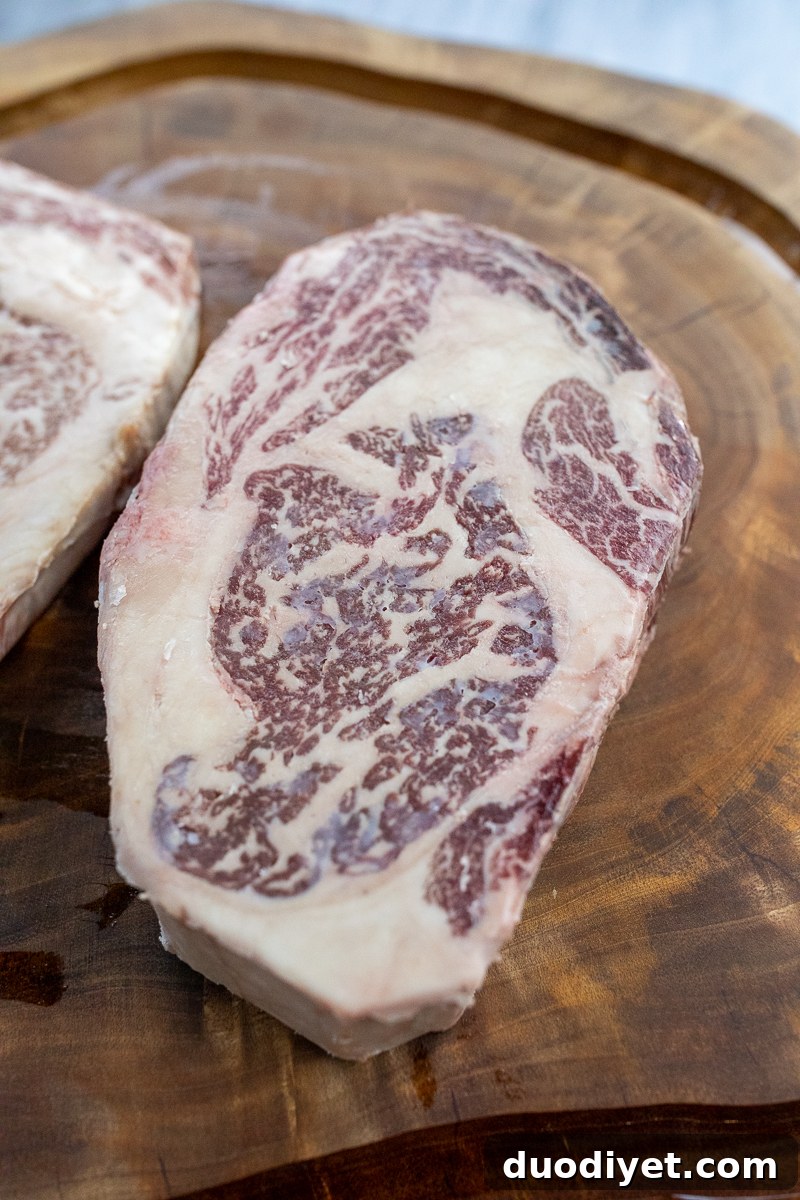
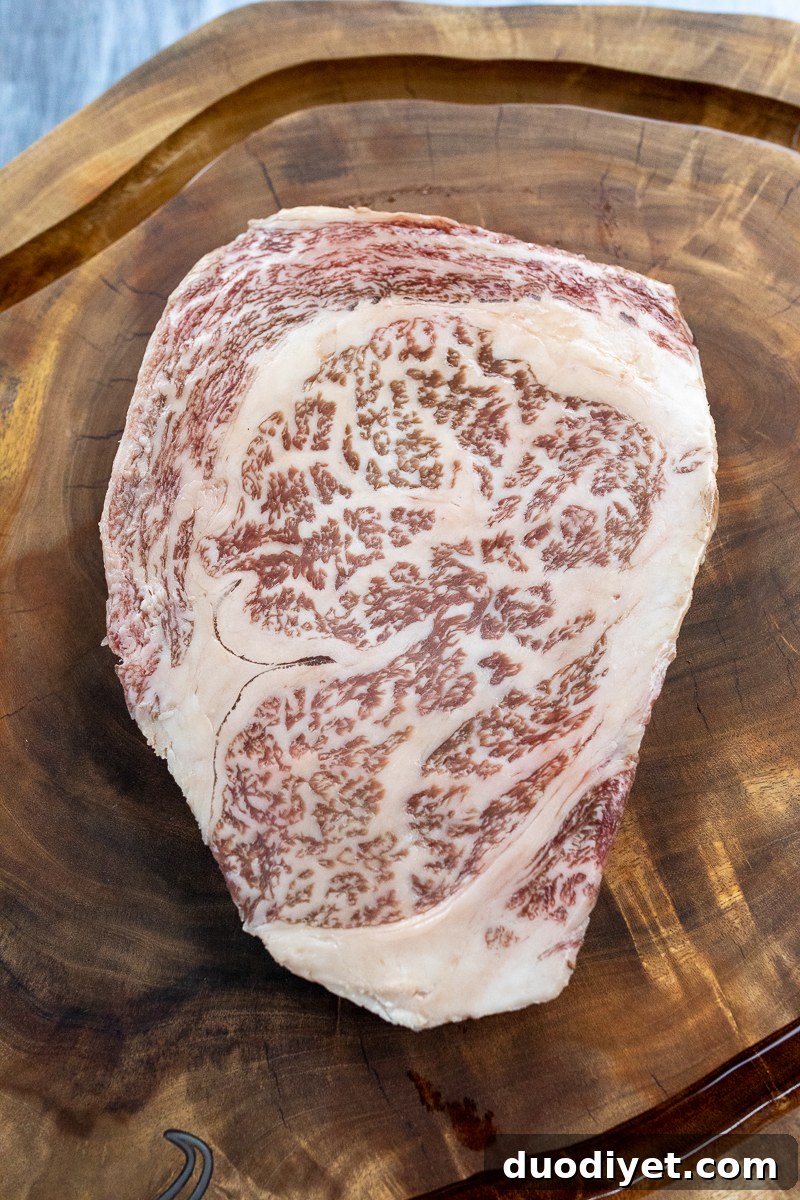
AMERICAN WAGYU RIBEYE
I received the two ribeyes shown above for tasting and comparison. This was an independent taste test—my impressions reflect direct experience with both cuts.
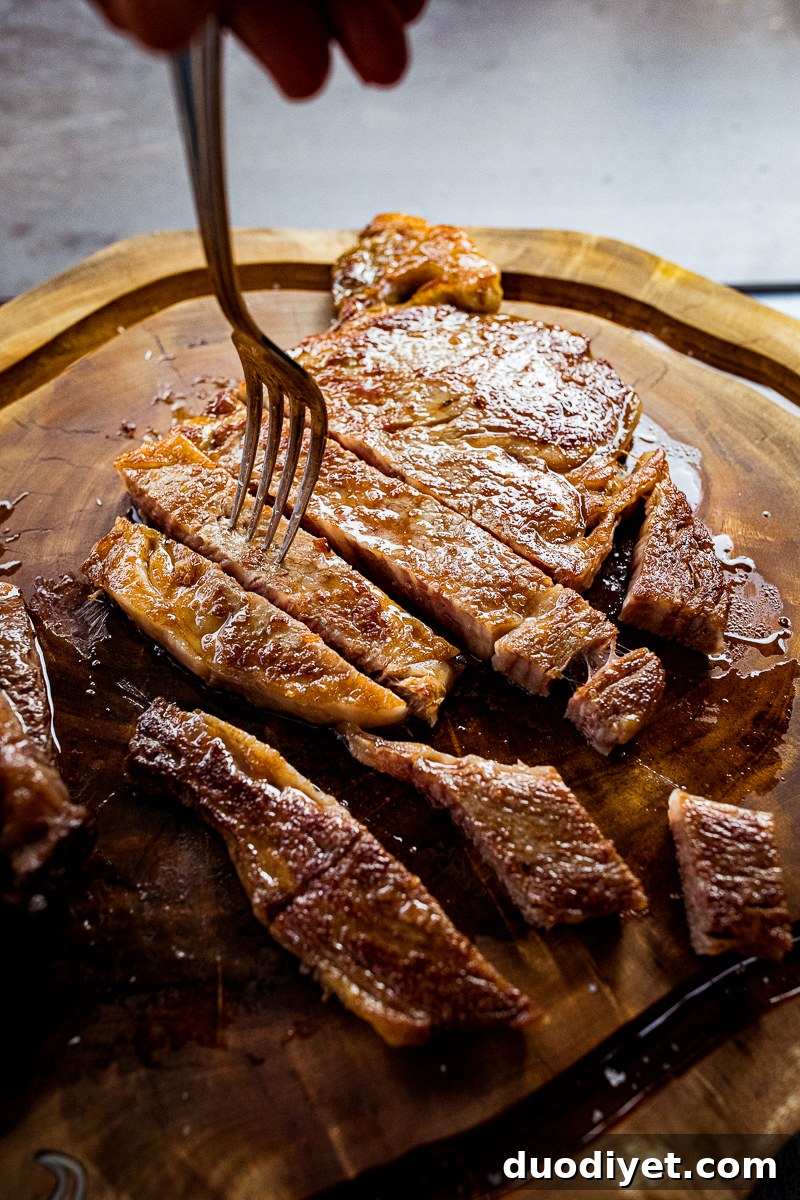
How to make A5 Wagyu on the Blackstone
Is American Wagyu as good as Japanese Wagyu?
“As good” depends on what you value. A5 Japanese Wagyu delivers an unrivaled level of intramuscular fat and a silk-like texture that many consider the peak Wagyu experience. Its flavor profile is delicate, intensely buttery, and often described as melt-in-your-mouth.
American Wagyu offers a balance: it retains excellent marbling and tenderness, often with a stronger beef-forward flavor due to crossbreeding with breeds like Angus. For everyday meals or for most diners, high-quality American Wagyu provides a remarkable eating experience that approaches—but does not fully replicate—the unique characteristics of A5 Japanese beef.
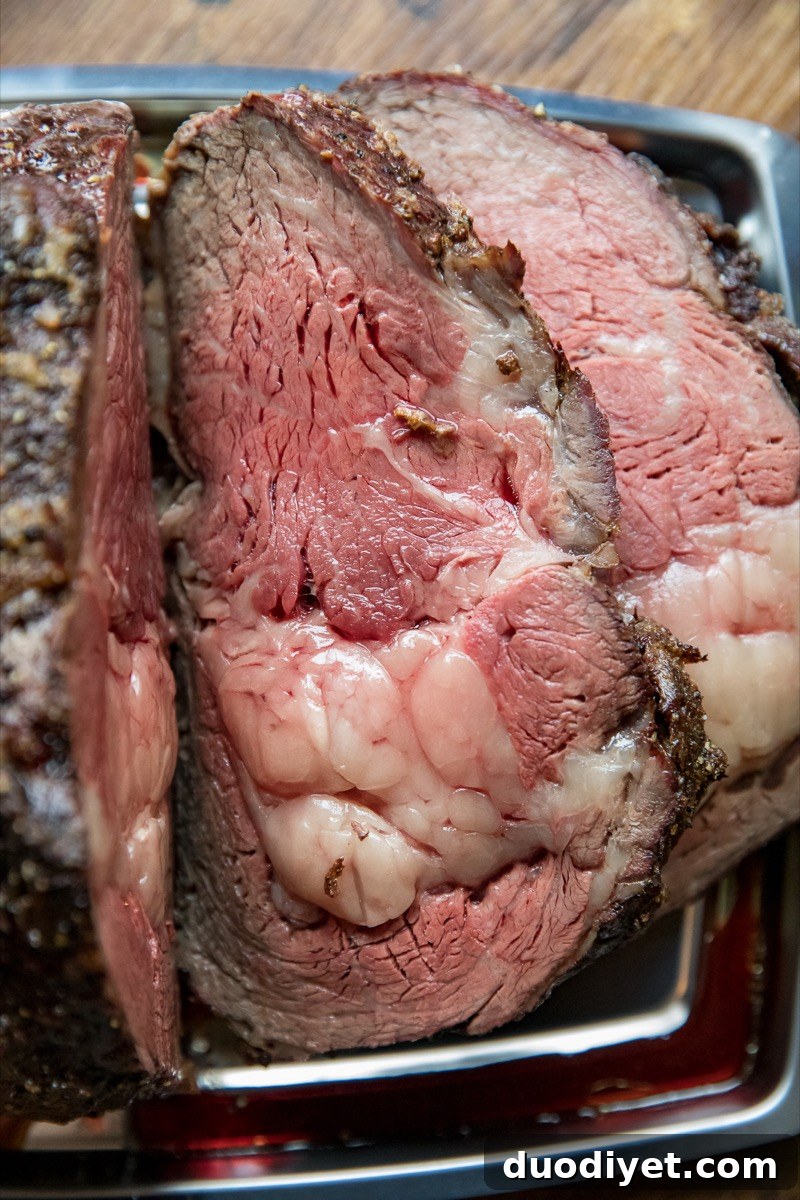
How to cook an American Wagyu Ribeye
What’s the best way to cook Wagyu beef?
Cooking methods for Wagyu vary by cut, but the goals are the same: preserve the marbling, avoid overcooking, and highlight the beef’s natural flavor. Here are reliable approaches:
- Pan-sear or griddle: For ribeye and strip steaks, use a heavy skillet or griddle over high heat. Sear briefly to form a brown crust, then finish quickly to a medium-rare temperature. Japanese A5 steaks often need even less time due to higher fat content—aim for a brief sear and serve rare to medium-rare.
- Grilling: Use a two-zone fire for thicker cuts: sear over high heat, then move to indirect heat to finish. A reverse-sear technique works well for larger roasts or thicker steaks: cook low and slow to just under target temperature, then sear at high heat for a crisp exterior.
- Sous vide: Sous vide delivers precise doneness and preserves juices. After the water-bath, finish with a quick, hot sear to develop crust without overcooking the interior.
Always let the steak rest before slicing so juices redistribute. A meat thermometer is the most reliable way to hit the preferred doneness, especially with premium cuts where overcooking wastes the marbling’s benefit.
Conclusion
Both A5 Japanese Wagyu and American Wagyu have strong merits. A5 Wagyu is an exceptional, indulgent experience—intensely rich and best enjoyed in small portions. American Wagyu offers many of the same benefits—excellent marbling, tenderness, and robust beef flavor—at a more approachable price point, making it ideal for regular use or larger gatherings.
If you want a once-in-a-lifetime culinary treat, A5 Wagyu is worth the splurge. For everyday steak dinners that are tender, flavorful, and good value, high-quality American Wagyu is an excellent choice.
More great steaks to love
- Grilled Tomahawk Ribeye
- Sirloin Cap Steak
- Venison Sirloin Steaks
- New York Strip
- Filet Mignon
- Ribeye Steak
- Flat Iron Steak
- T-Bone
- Hanger Steak
- Flank Steak
- Tenderloin
- Tri-Tip
- My full collection of steak recipes