Okay — it isn’t literally 75 steps, but if your griddle is neglected it can feel that way unless you have the right tools and a clear plan.
Griddles are powerful outdoor cooking tools, but because they’re metal and often stored outside, they require regular care to prevent rust and buildup. If your Blackstone griddle has been left to the elements, a focused re-seasoning session will bring it back to life.
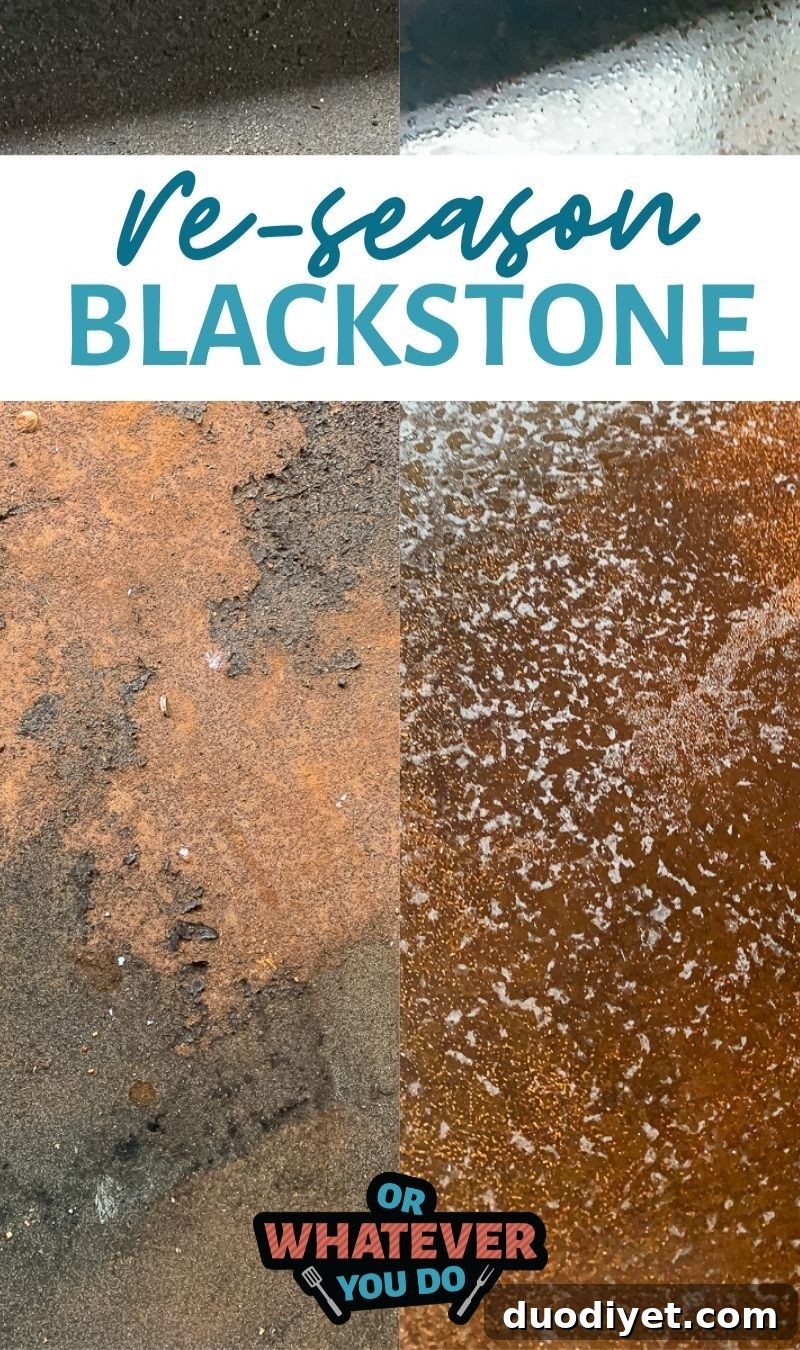
How to Season Your Gas Griddle
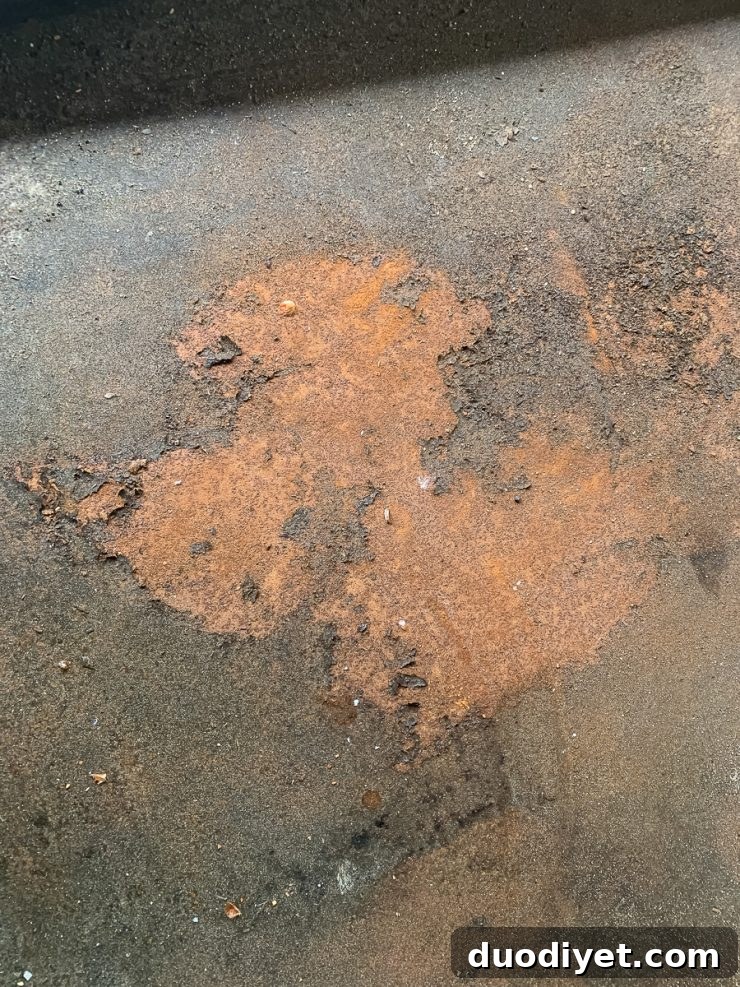
I’ll be honest: I ignored mine for a while. My Blackstone ended up rusty and grimy after being stored on a cramped porch, and my early attempts at seasoning were frustrating. I’ve seen the same problem in many griddle owner groups — people unsure which steps or products to trust.
This guide walks through a reliable, repeatable process to re-season a rusty Blackstone griddle. There’s no single “correct” method, but the aim is consistent: remove rust and old residue, reveal clean metal, and build up a thin, durable seasoned coating.
How to Re-Season a Rusty Griddle
Below I expand on the key steps I used. You can adapt based on the tools you have — the goal is the same, whether you use steel wool, a grill brick, or a grill stone.
Step 1: Scrape
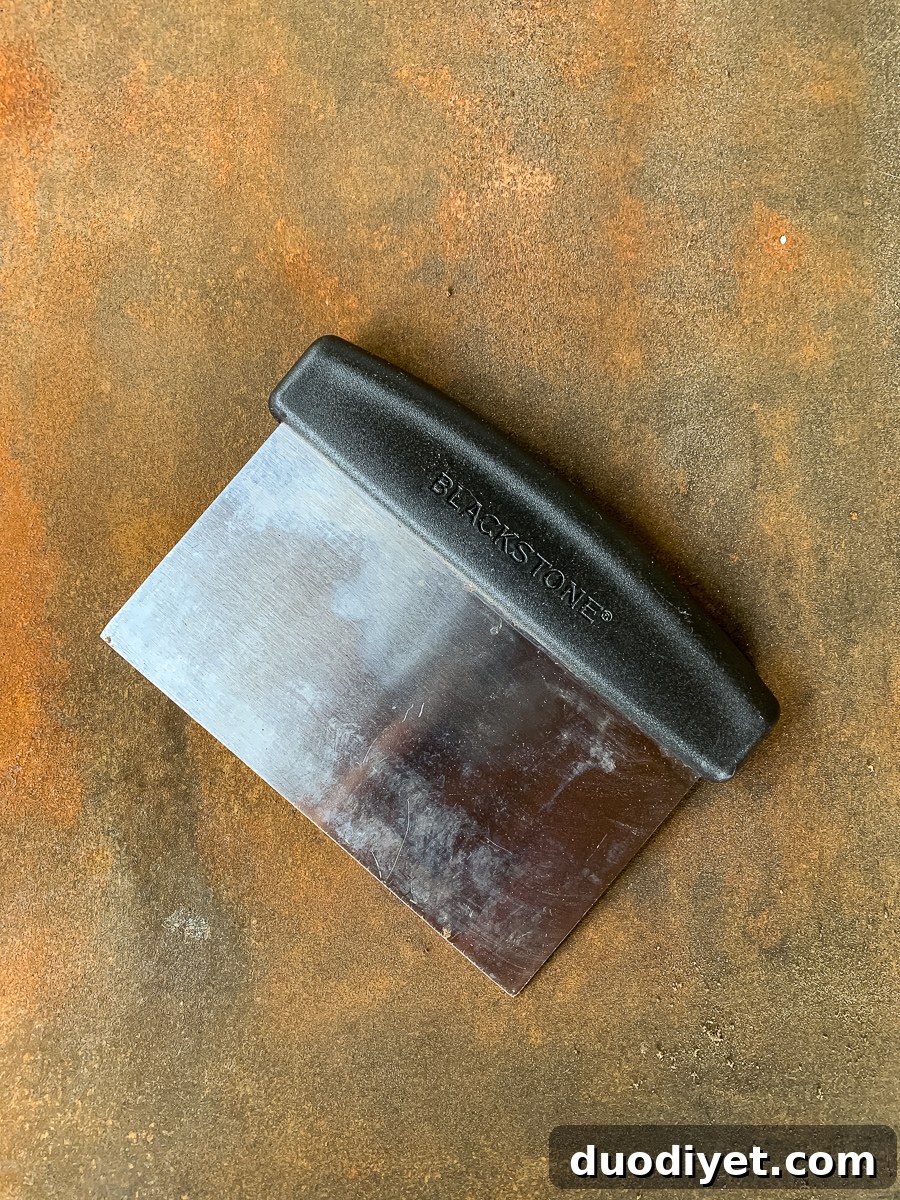
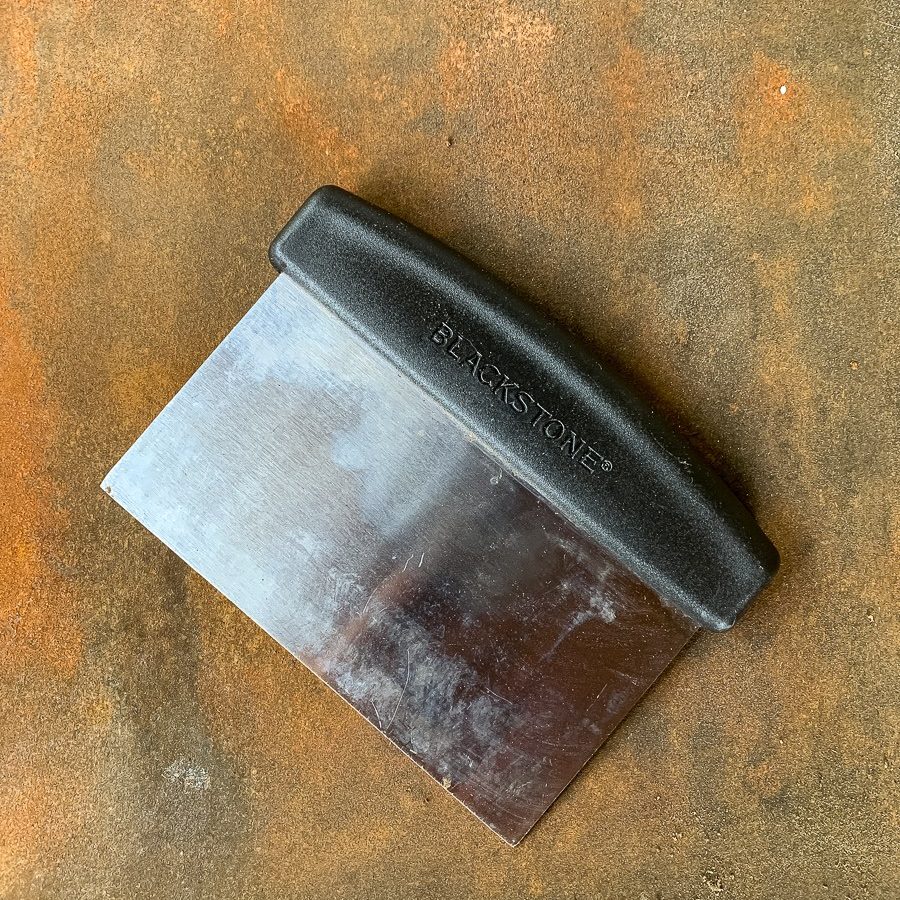
Start by scraping off loose debris and thick residue with a metal bench scraper. This takes effort and time — be patient. A scraper with a handle helps provide leverage for tougher spots.
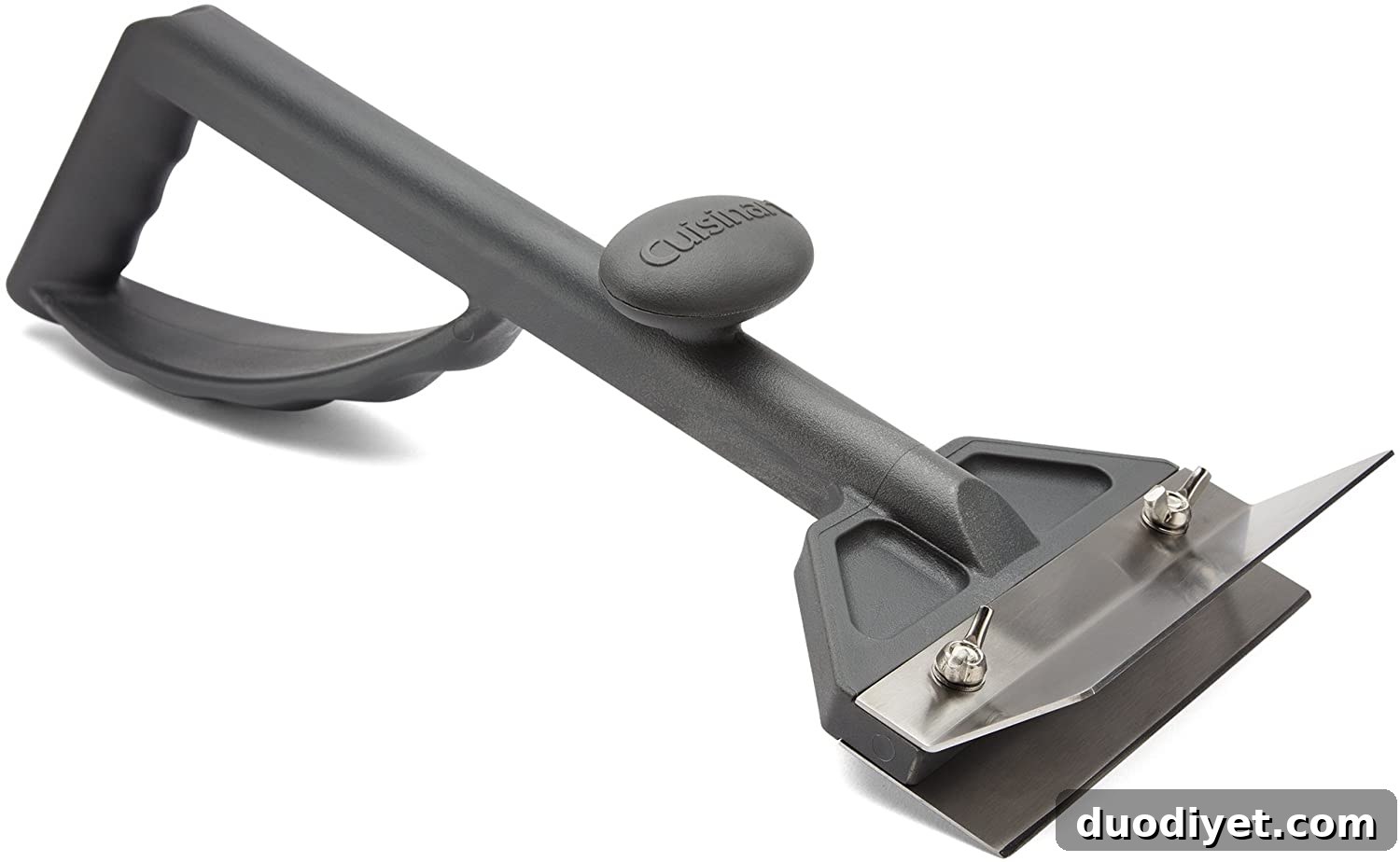
Step 2: Apply Heat
Fire up the griddle and let it heat on high for 15–20 minutes. Heat loosens stuck-on material and makes scraping more effective. When it’s hot, use heat-resistant gloves and continue scraping until the surface is clearer.
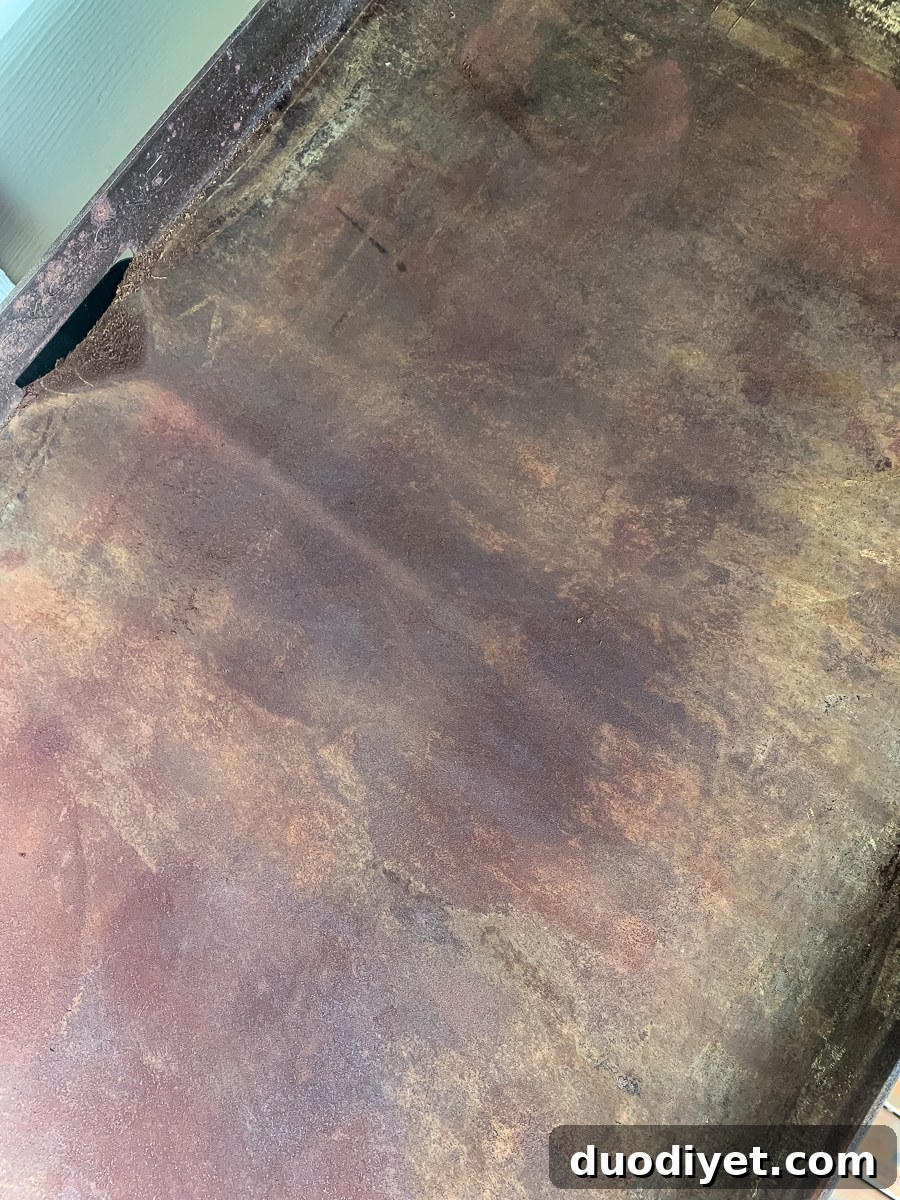
Step 3: Reduce the Heat and Scrub
Turn the burners down to medium or medium-low. Apply a small amount of oil and scrub with steel wool or a grill brick. If you don’t have steel wool, a grill stone works well. The oil helps the pad glide and lifts oxidation without damaging the metal.
Use heat-resistant gloves throughout this phase — the griddle will still be warm.
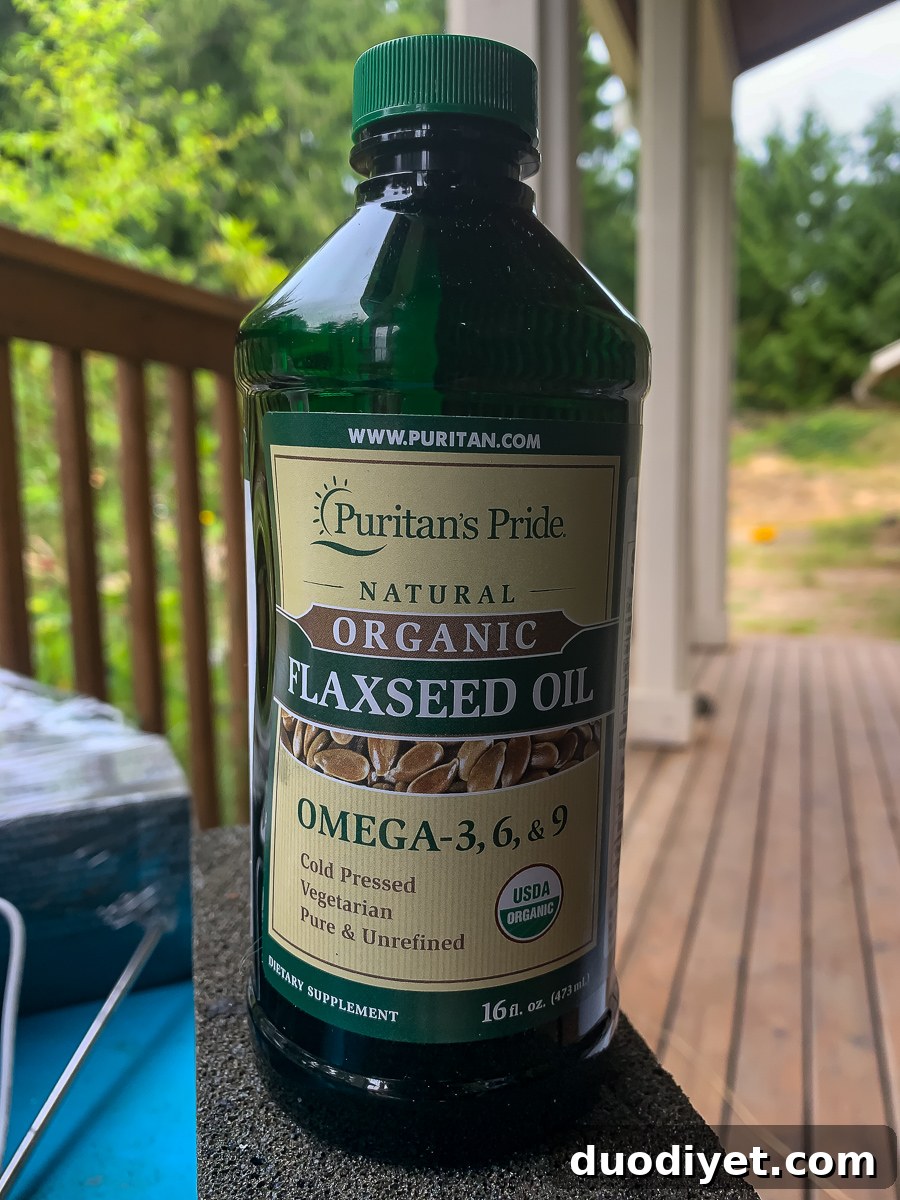
Step 4: More Scraping
After scrubbing, scrape again to remove loosened rust and grime. It may look rough at first — keep going. As you work, metal will begin to show through and the surface will gradually even out.
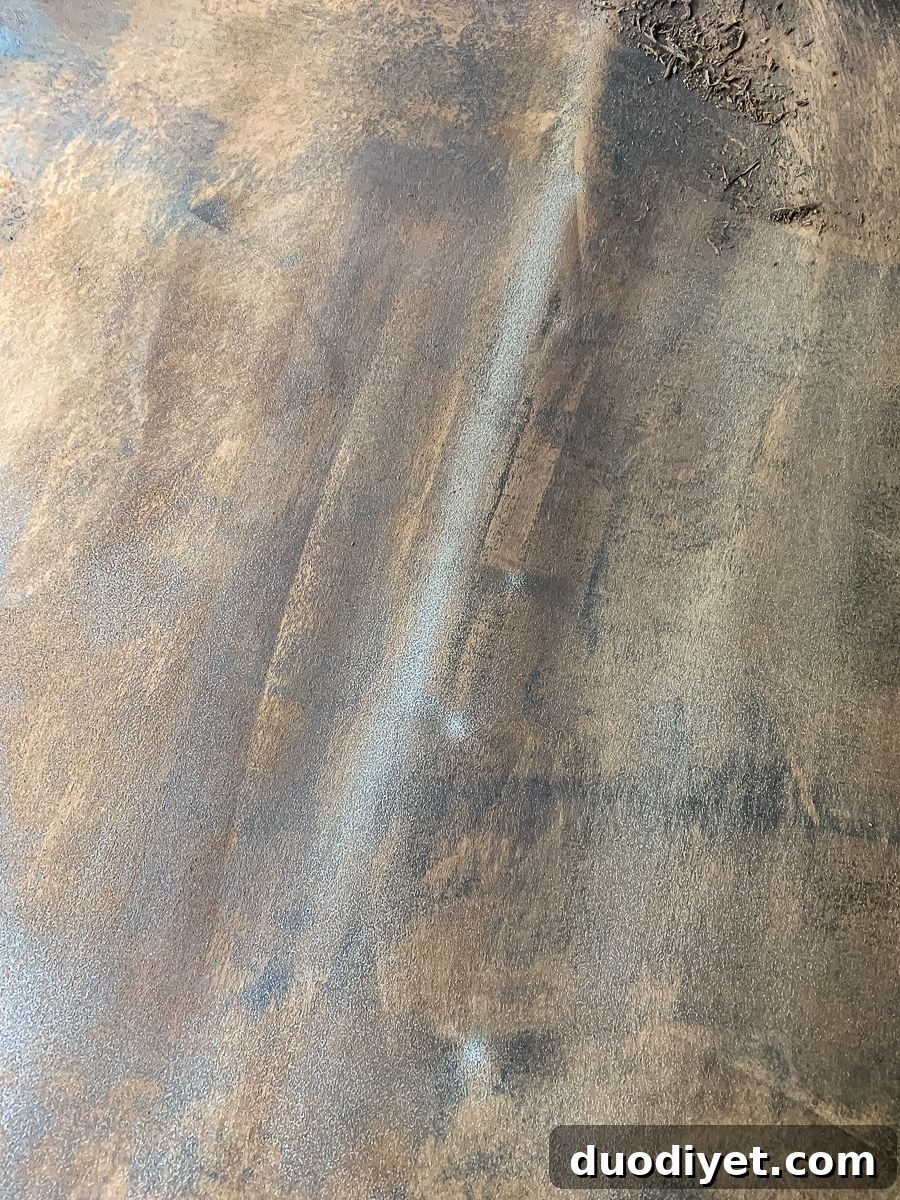
Step 5: Wipe Down
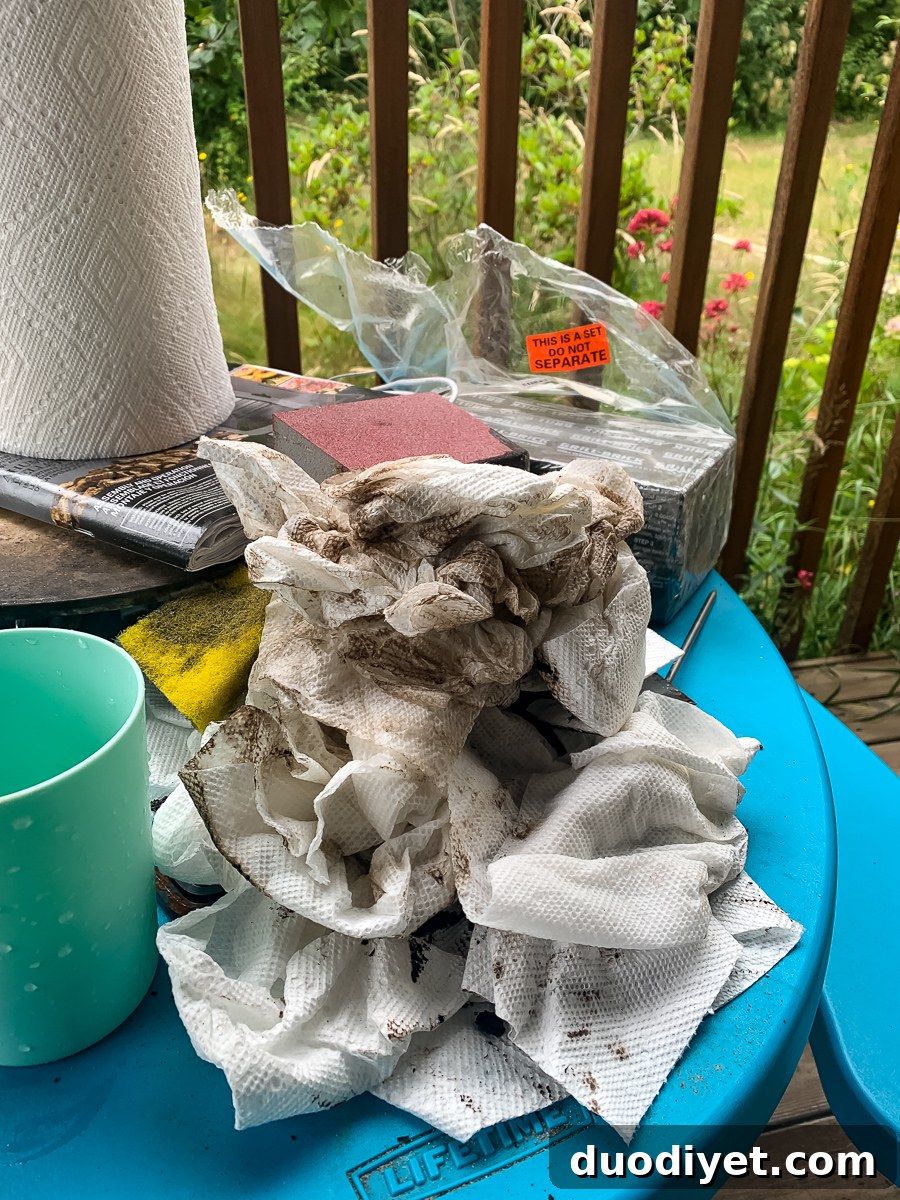
Wipe the surface with plenty of paper towels, using a little oil to help lift residue. Expect to use many towels — the goal is to remove as much loose dirt and oil as possible so you have a clean base for seasoning.
Step 6: Use a Grill Stone
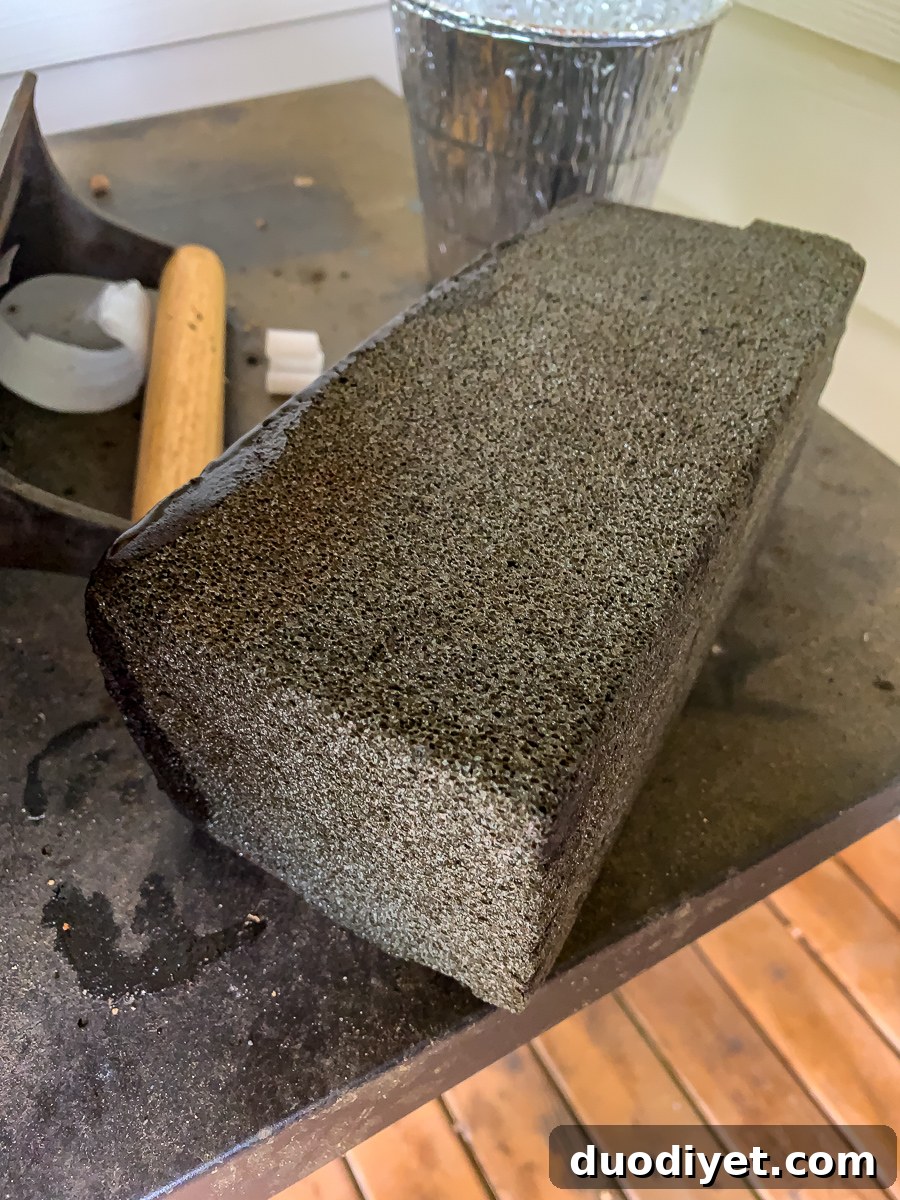
With the surface drier and cleaner, use a grill stone (or grill brick) with a little oil to polish the metal. This removes remaining discoloration and smooths the surface. Expect the stone to leave residue — that’s normal; it’s removing layers of built-up crud.
Step 7: Repeat Until Clean
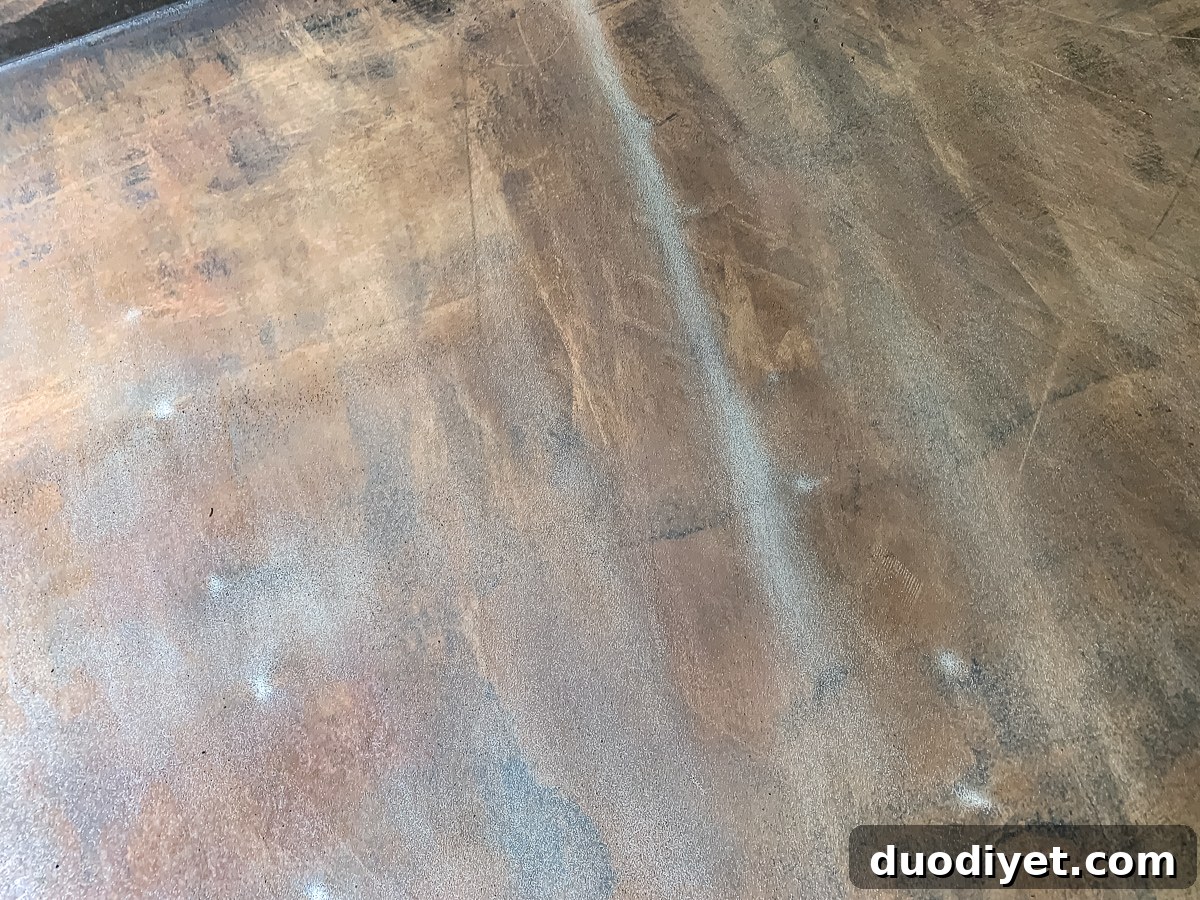
You may need multiple cycles of scraping, scrubbing, and wiping. Keep going until:
- Nothing more flakes off.
- Your paper towels come away clean.
- The surface looks mostly like bare metal.
Step 8: Turn Up the Heat Again
Once the surface is clean, crank the griddle back to high. Heat prepares the metal to accept the seasoning oil.
Step 9: Rub with Oil (Lightly)
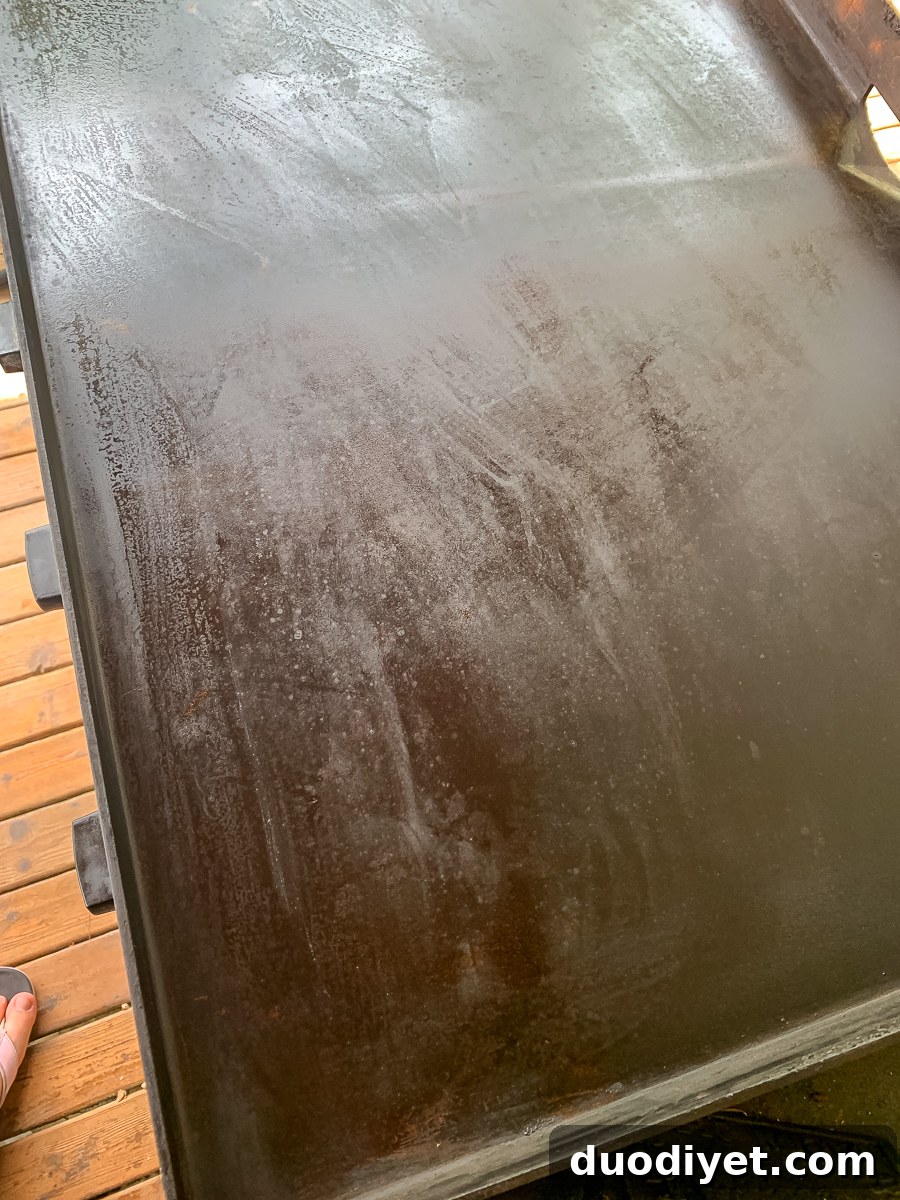
Use a thin, even layer of a high-smoke-point oil or flaxseed oil. Less is more — too much oil will pool and produce sticky spots instead of a durable seasoning. Spread the oil thinly with a paper towel, then heat the griddle on high until the oil smokes and bonds to the metal.
Step 10: Cool Down
Turn the griddle off and let it cool completely. This pause lets the newly formed seasoning layer set.
Step 11: Repeat the Oil/Heat Cycle 3 More Times
Repeat the thin-oil, high-heat smoking, and cool-down cycle three more times, waiting until it’s fully cool before applying the next layer. Multiple thin layers build a strong, nonstick seasoning much faster than one heavy coat.
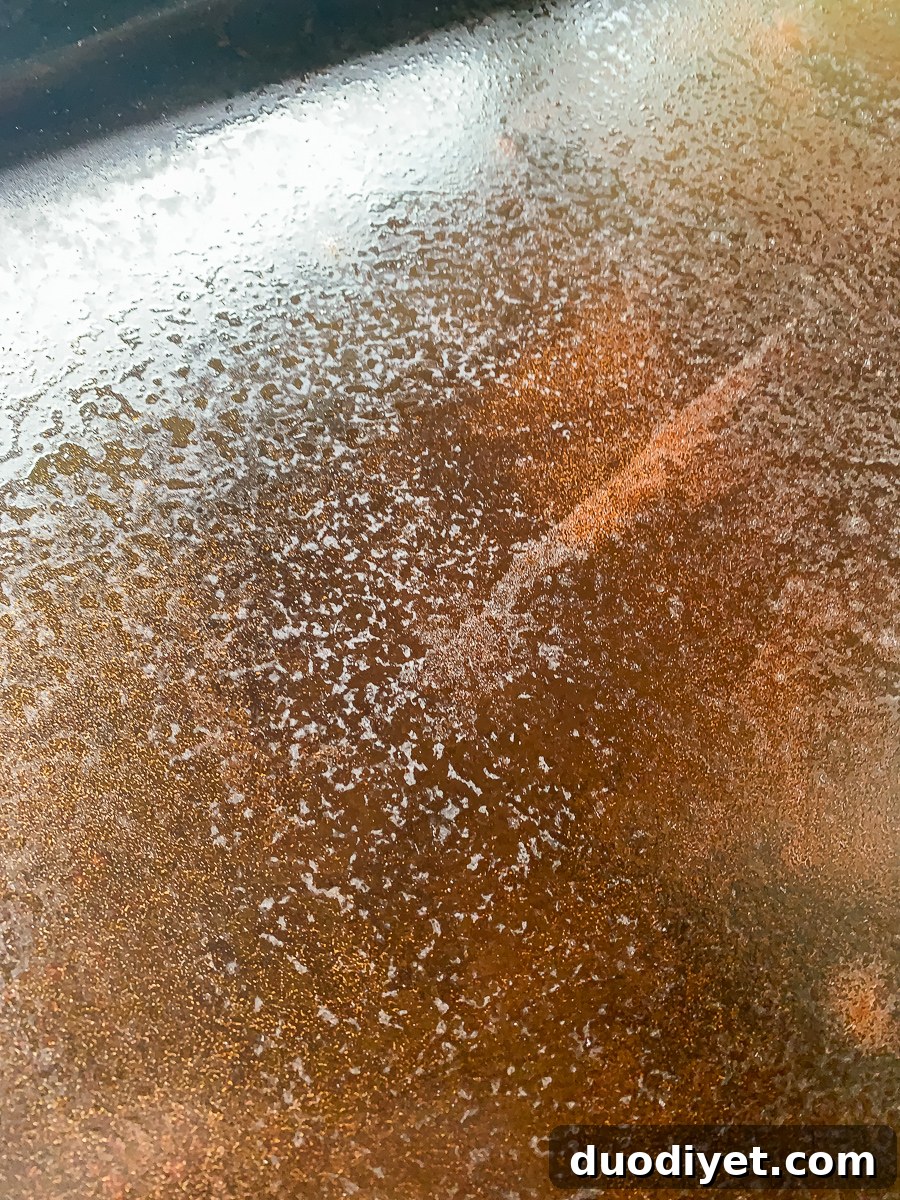
Pat Yourself on the Back — You Have a Seasoned Griddle
Your griddle should now have a consistent, darkened surface that resists sticking. Mine still needs a little more time to reach perfect patina, but the difference after this process is dramatic.
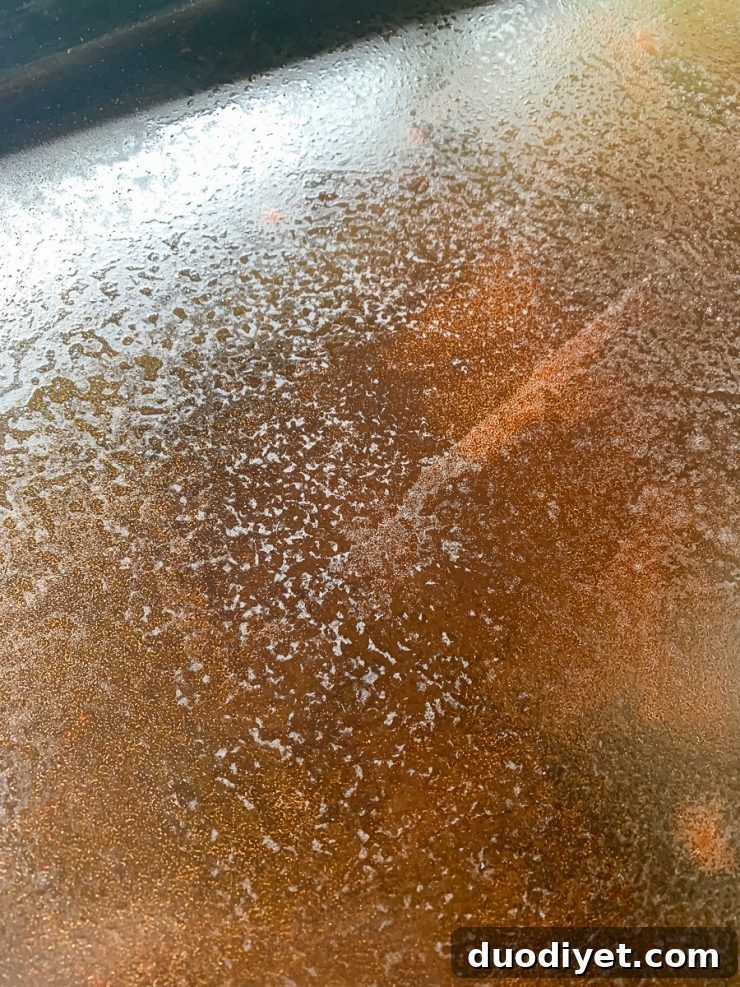
How to Re-Season a Blackstone Griddle
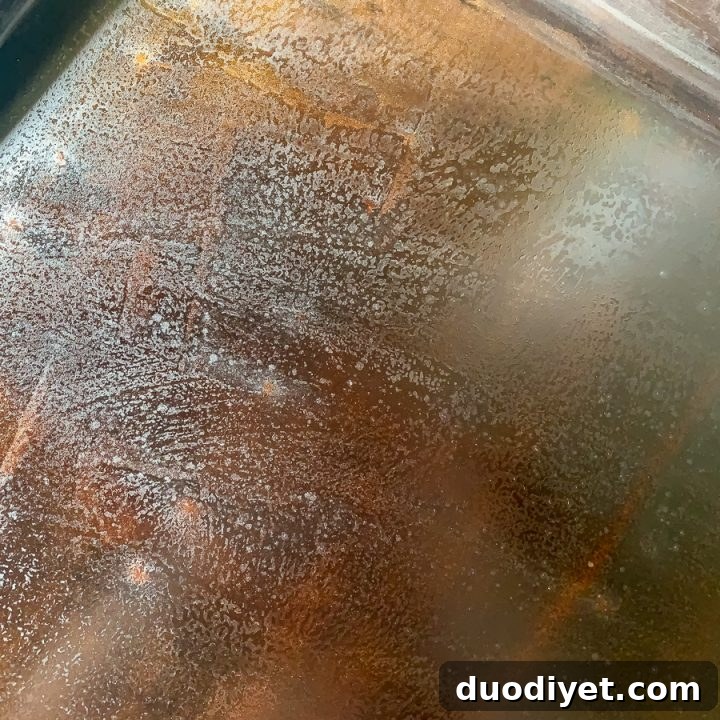
If your griddle has rust or thick buildup, a little elbow grease and the right tools will return it to a usable, seasoned surface ready for cooking.
Materials
- Flaxseed or high smoke point oil
- Paper towels
Tools
- Metal bench scraper
- Grill stone or grill brick
- Heat-resistant gloves
- Steel wool (optional)
Instructions
- Scrape all loose debris from the surface with a bench scraper.
- Heat the griddle on high for 15–20 minutes, then reduce to medium and continue scraping with gloves on until most rust and residue are gone.
- Apply a small amount of oil and scrub with steel wool or a grill brick to remove discoloration.
- Scrape off the loosened gunk and wipe the surface with paper towels.
- Use a grill stone with a little oil to polish the surface and remove remaining buildup.
- Repeat scrubbing and scraping cycles until the paper towels come away clean and metal shows through.
- Turn the griddle to high heat, spread a very thin layer of oil evenly, and let it smoke until the oil bonds to the metal.
- Turn off the heat and allow the griddle to cool completely.
- Repeat the thin-oil, high-heat, cool-down cycle three more times to build up a strong seasoning layer.
- When finished, the griddle should have a uniform, darkened surface — ready for cooking.
Try Some Popular Blackstone Recipes
 Blackstone Stromboli & Calzone Recipe
-
Blackstone Steak Bites
-
Blackstone English Muffins
-
Blackstone Griddle Quesadillas