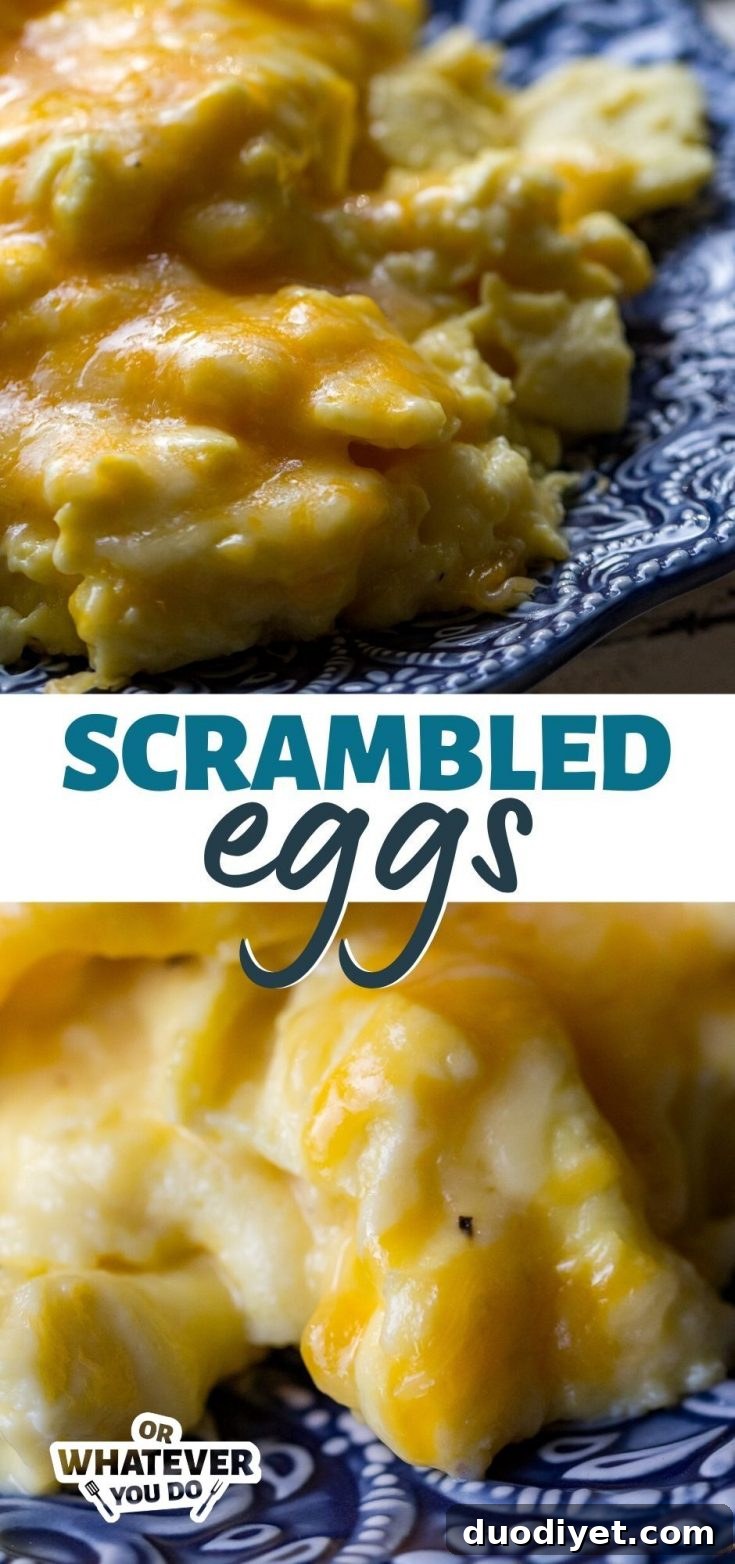
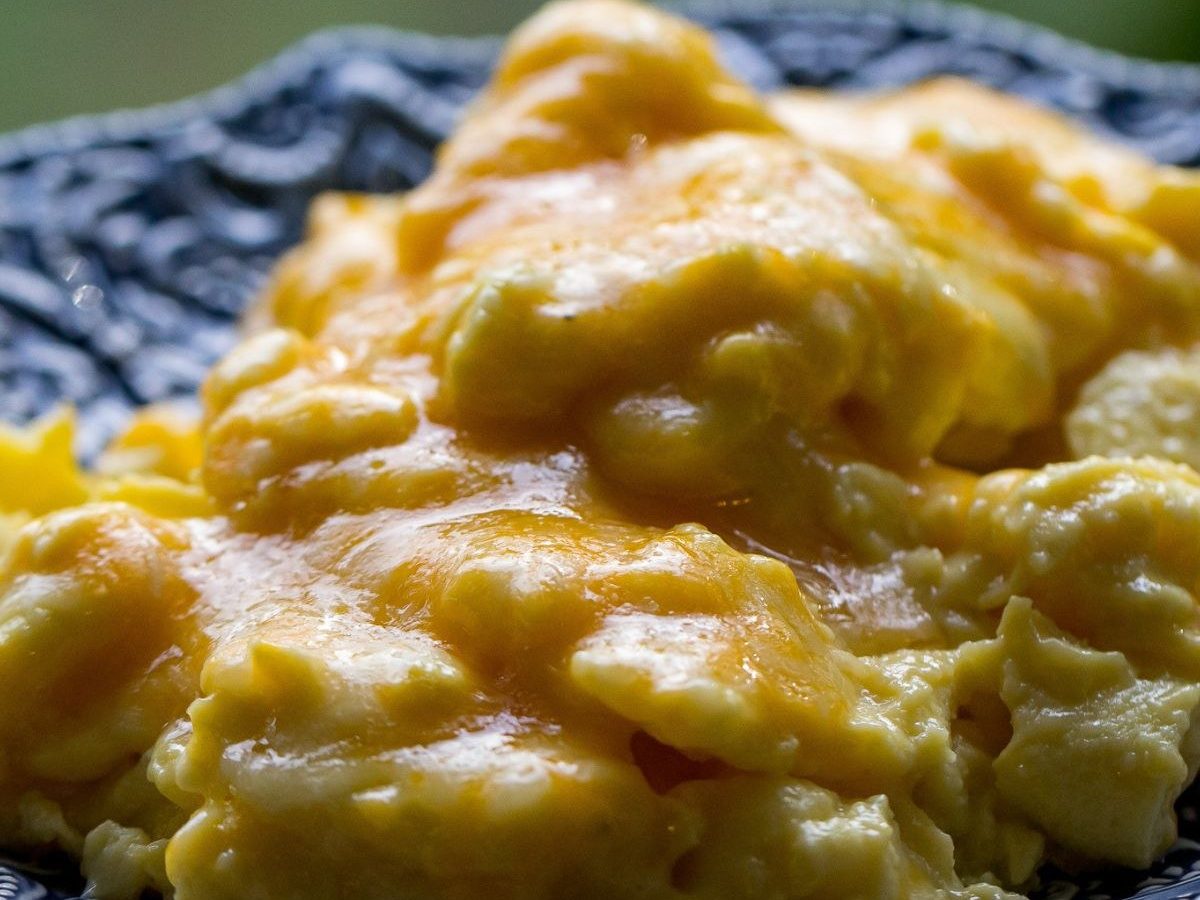
Fluffy scrambled eggs are not only possible, but also very easy to prepare once you know a few simple techniques. Below is a clear, practical method for making perfect scrambled eggs at home—tender, large-curd eggs that are soft, creamy, and full of flavor.
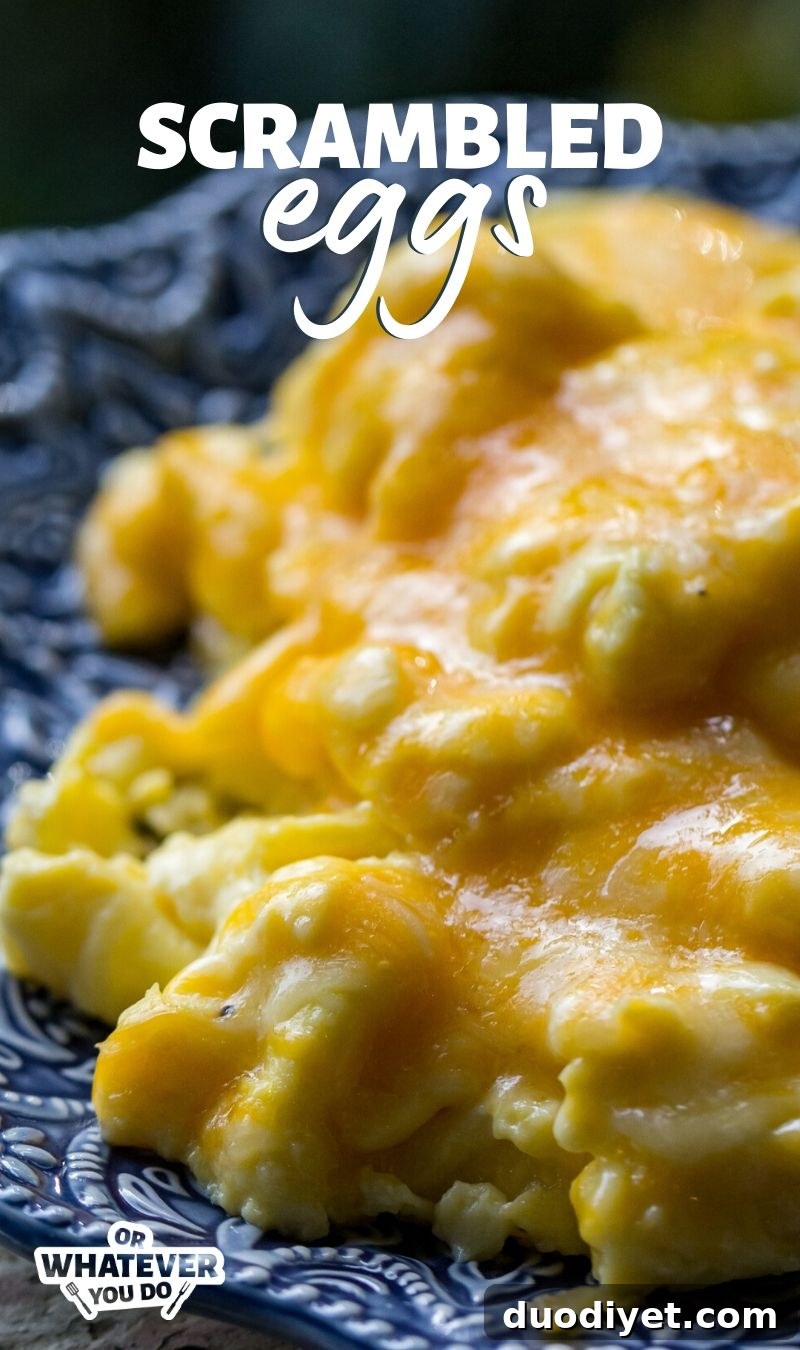
Perfect Scrambled Eggs
My favorite scrambled eggs are whisked with a splash of half-and-half or whole milk, then cooked slowly over low heat with only occasional stirring to form large, fluffy curds. Season at the end, then top with cheese if you like. This technique yields eggs that are tender, light, and ideal for breakfast, brunch, or any meal.
Recipe Shopping List
Gather these basic ingredients before you start. Adjust quantities for the number of servings you need.
- Fresh eggs (farm-fresh if available)
- Half-and-half or whole milk
- Butter or a neutral cooking oil for the pan
- Salt and freshly ground black pepper
- Shredded cheese (optional)
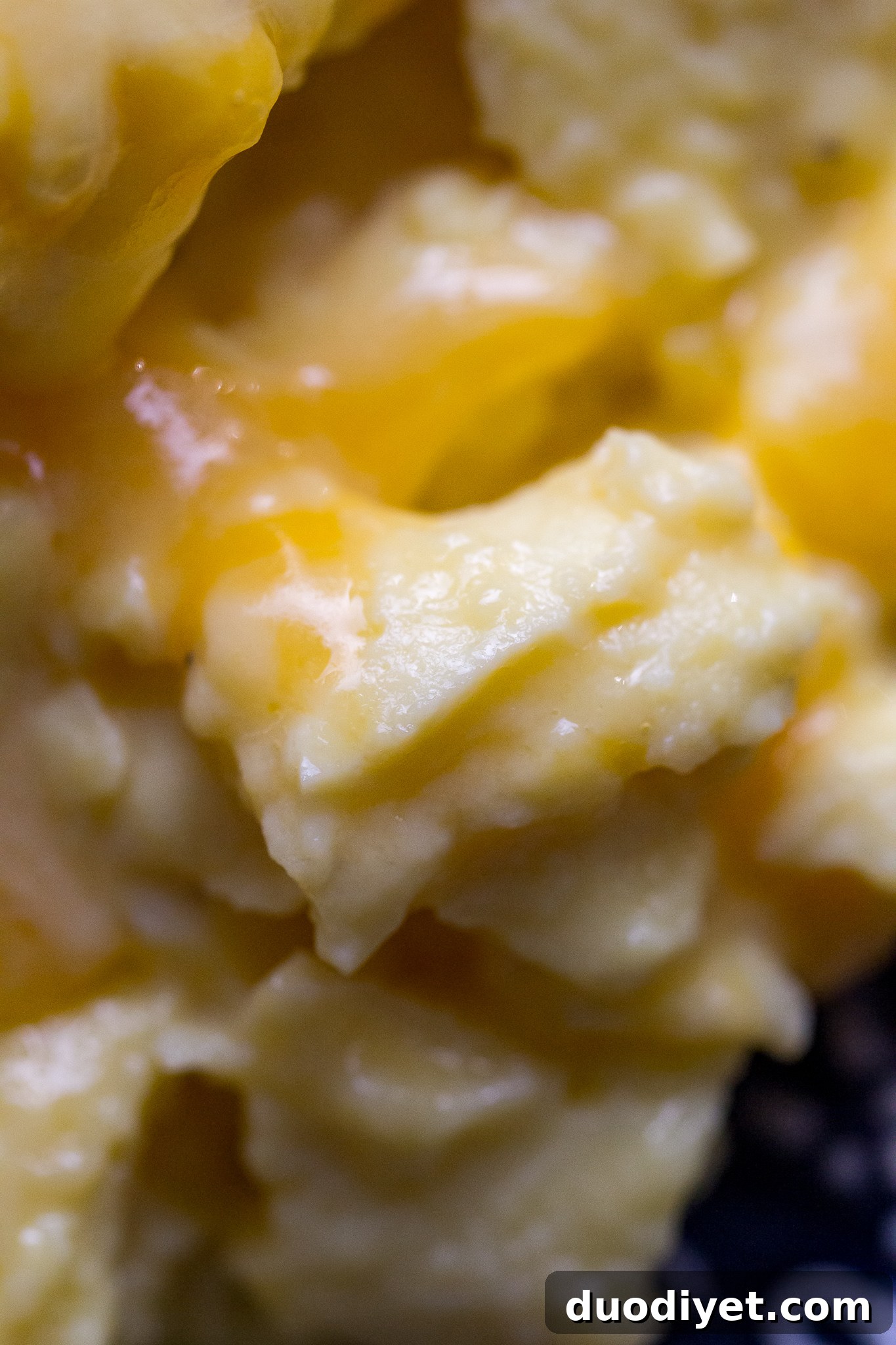
How to Make These Scrambled Eggs
This overview shows the main steps so you know what to expect. Follow the detailed recipe below for exact amounts and timing.
- Whisk the eggs and half-and-half vigorously before the pan to incorporate air—this helps create a lighter texture.
- Heat a non-stick pan over low to medium-low heat and melt butter so the bottom is coated.
- Pour the egg mixture into the warmed pan and allow it to cook undisturbed for a minute or two.
- Use a rubber spatula to gently scrape the bottom of the pan, folding the eggs into large curds. Repeat every minute or two rather than stirring constantly.
- When the eggs begin to set but still look slightly wet, season with salt and pepper, add cheese if desired, cover the pan, and remove from heat to let residual heat finish cooking them.
- Let rest briefly, then serve warm for the best texture and flavor.
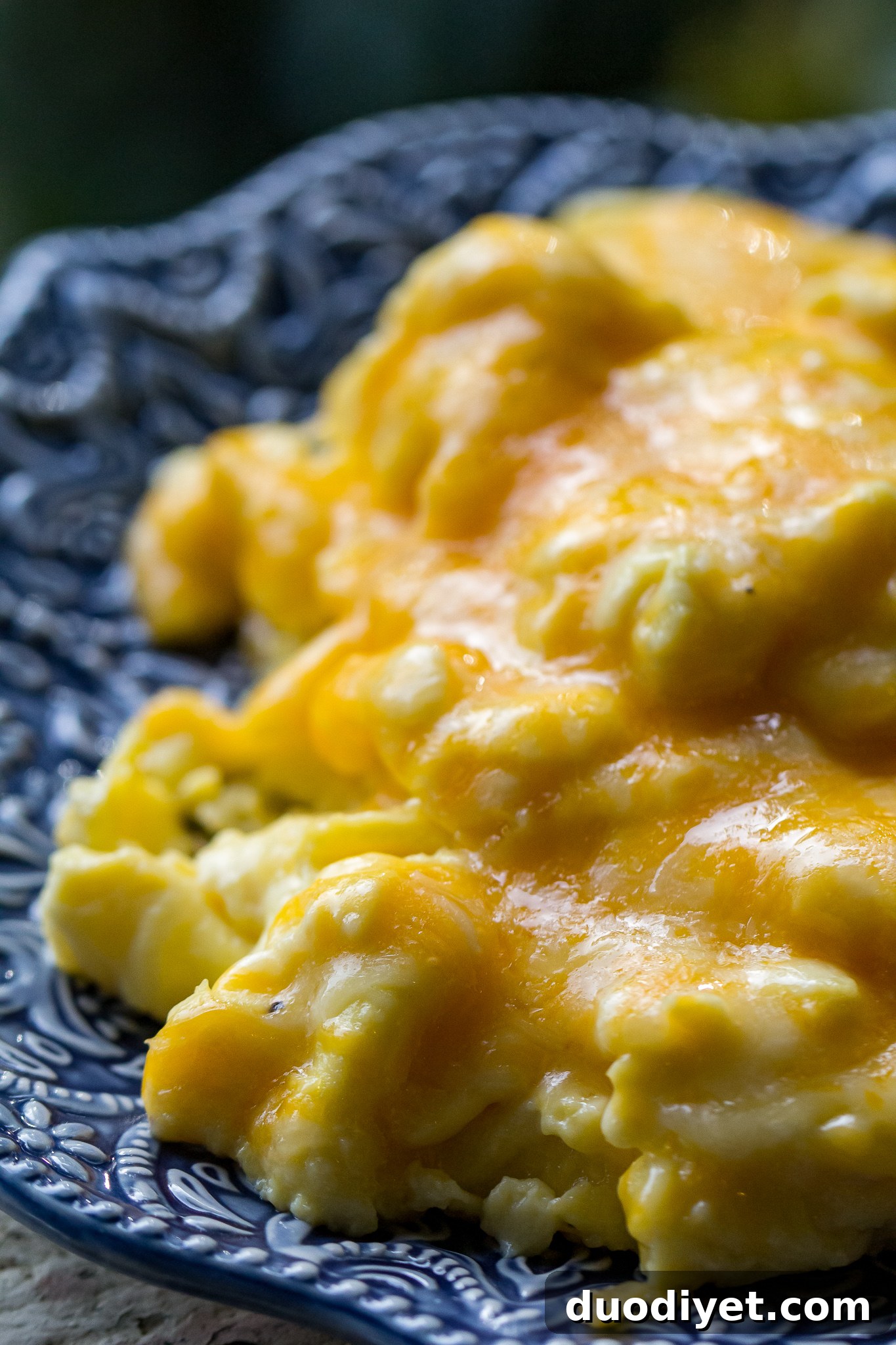
Recipe FAQ
There are many approaches to scrambled eggs. You can whisk eggs lightly for a creamy, large-curd texture and cook slowly with minimal stirring, or whisk vigorously to incorporate more air and cook at a slightly higher temperature for smaller, looser curds—similar to buffet-style eggs. Temperature and stirring frequency determine curd size and texture. People also vary liquid additions: milk, cream, water, or even mayonnaise can change the final mouthfeel. Choose the method that matches the texture you prefer.
Pre-cook any mix-ins like mushrooms, onions, peppers, or diced meats in a separate pan before adding them to the eggs. Many mix-ins release moisture or need browning for flavor; cooking them first prevents watering down the eggs and ensures the best texture. Fold in pre-cooked mix-ins right at the end of cooking, just before adding cheese and removing the pan from the heat.
Use a good non-stick pan or a well-seasoned cast-iron skillet to prevent sticking. Sticking causes browning and uneven cooking, which works against achieving tender, fluffy scrambled eggs.
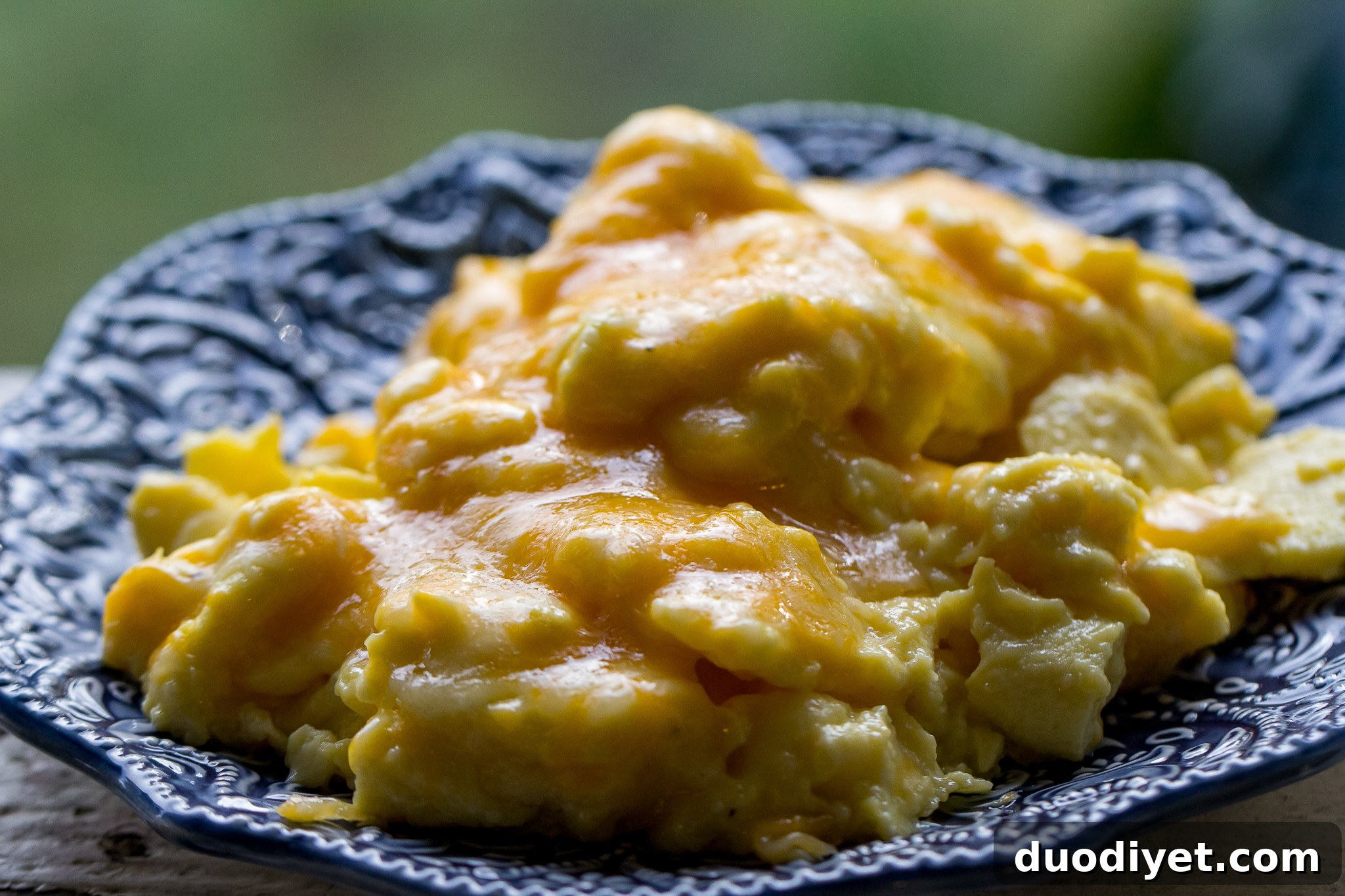
Serve This With
These scrambled eggs pair well with pancakes, fresh hashbrowns, breakfast wraps, or warm biscuits and gravy. Serve with toast and a bowl of fresh fruit for a balanced, satisfying breakfast. Eggs are a convenient source of protein and can be paired with many breakfast sides for a complete meal.
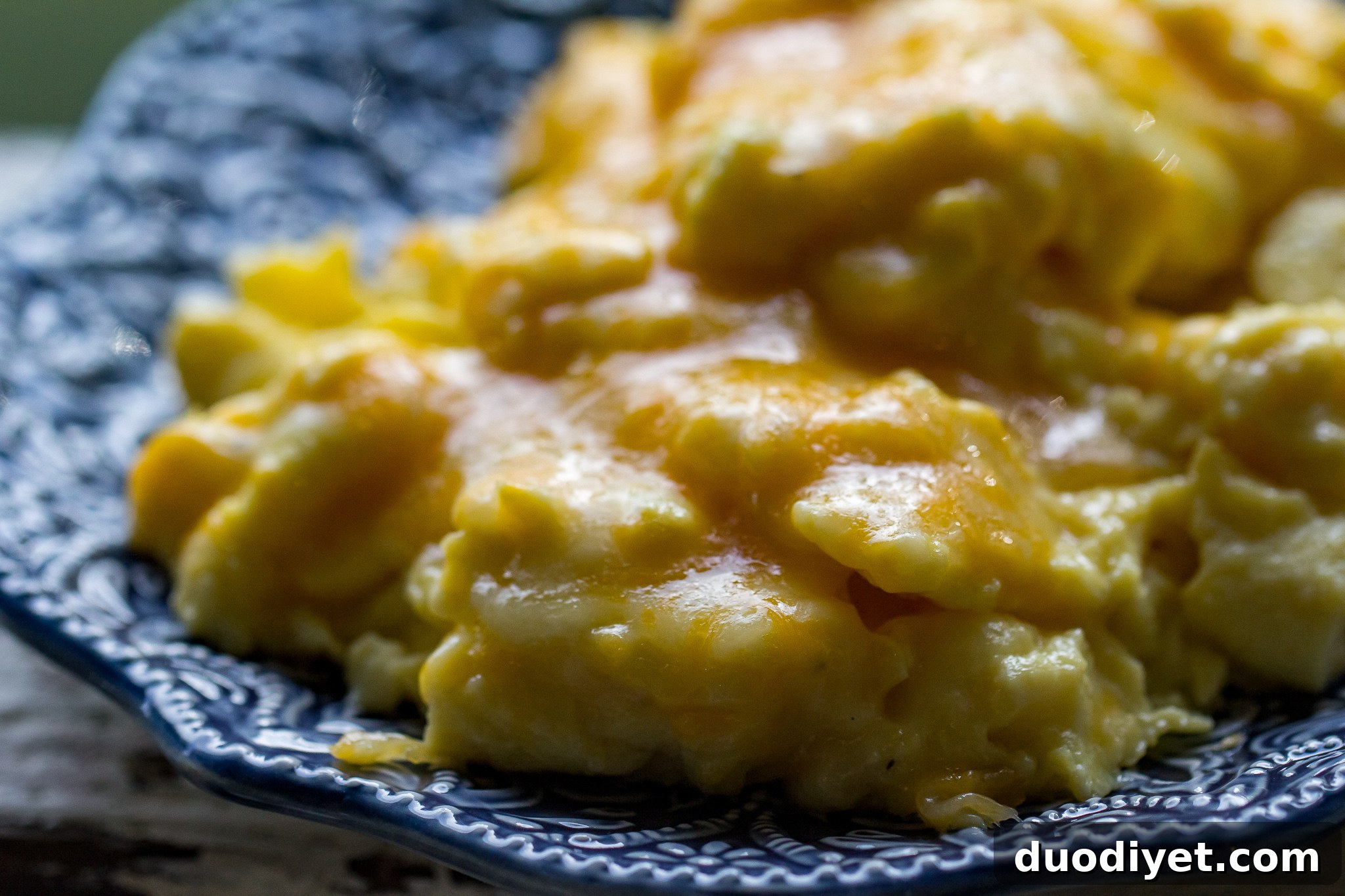
Tips for Perfect Scrambled Eggs
- Whisk the eggs well before cooking to add a bit of air for lightness.
- Use a non-stick pan and cook over low to medium-low heat.
- Avoid stirring constantly—stir gently and infrequently to form large curds.
- Season at the end so salt doesn’t draw out moisture during cooking.
- Remove from heat while still slightly moist to prevent overcooking; carryover heat will finish them.
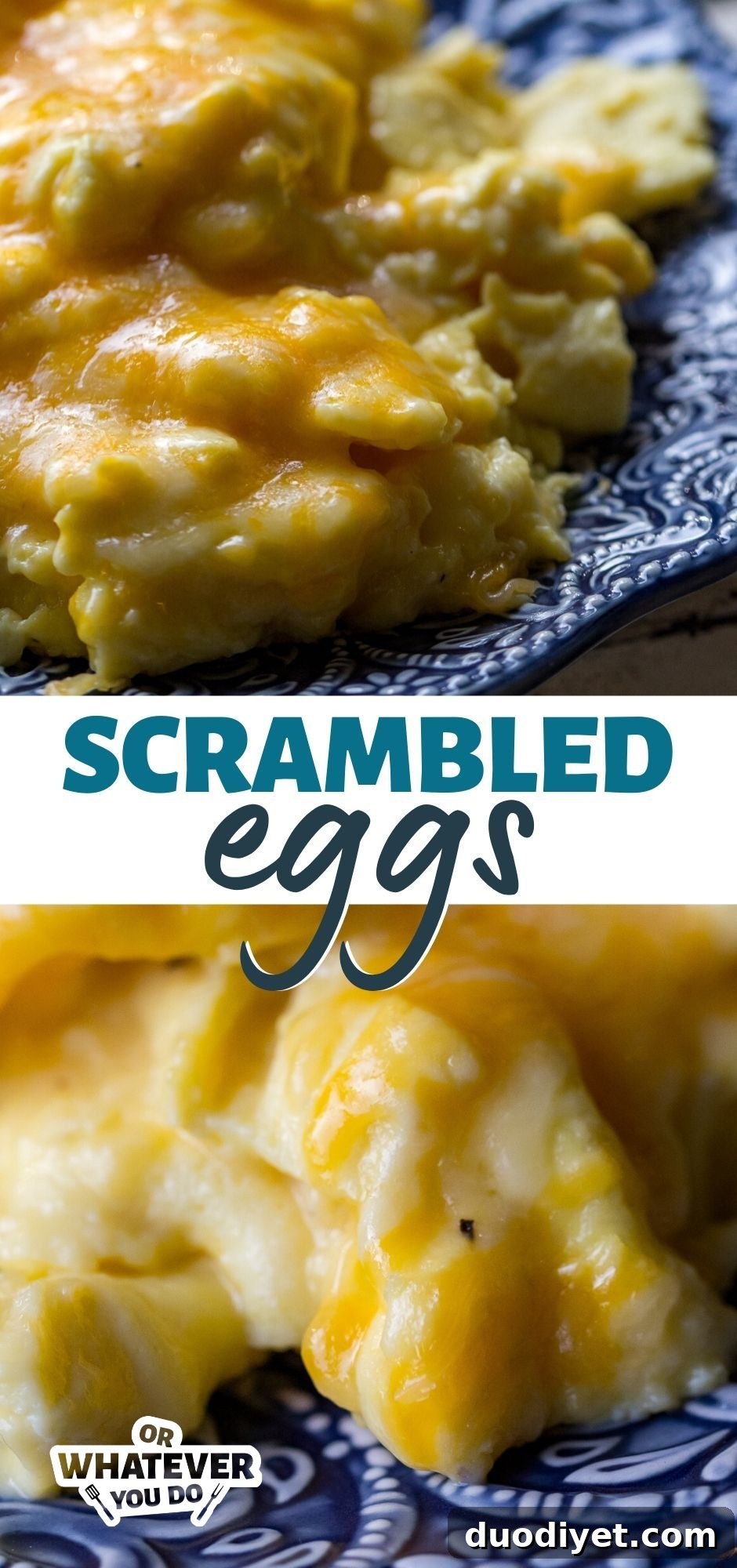
Perfect Fluffy Scrambled Eggs
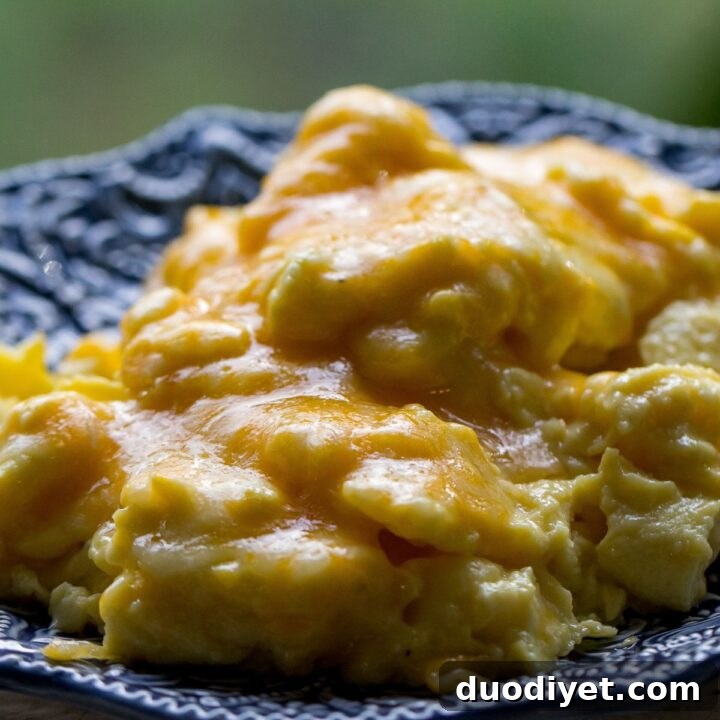
Follow these steps to make tender, large-curd scrambled eggs that are creamy and full of flavor. The slow-cooking method yields the best texture.
Ingredients
- 6 large fresh eggs
- 1/4 cup half-and-half (or whole milk)
- 3 tablespoons salted butter
- 1/2 teaspoon salt
- 1/4 teaspoon freshly ground black pepper
- 1/2 cup shredded cheese (optional)
Instructions
- Whisk the eggs and half-and-half vigorously for 1–2 minutes by hand to incorporate air and make the mixture uniform.
- Melt butter in a medium non-stick pan over low to medium-low heat until it coats the pan.
- Pour the eggs into the pan and let them sit undisturbed for a minute or two. Then use a rubber spatula to gently scrape and fold the eggs from the bottom to form large curds.
- Continue to cook, scraping the pan every minute or two, and performing a gentle fold-and-flip when curds begin to form.
- When the eggs are mostly set but still slightly glossy, add salt and pepper, stir gently, top with cheese if using, cover briefly, and remove from heat.
- Let rest for 3–4 minutes so the residual heat finishes cooking, then serve warm.
Nutrition Information (per serving estimate)
Calories: 346 | Total Fat: 29g | Saturated Fat: 15g | Trans Fat: 1g | Unsaturated Fat: 12g | Cholesterol: 428mg | Sodium: 721mg | Carbohydrates: 2g | Fiber: 0g | Sugar: 1g | Protein: 18g
Nutrition data is an estimate.
/
Category: Breakfast