
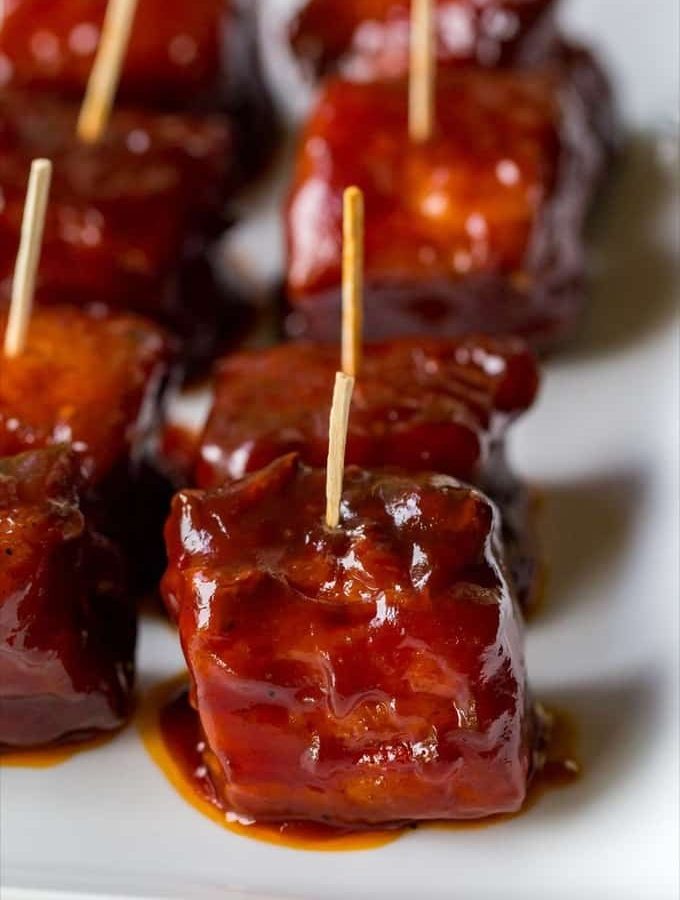
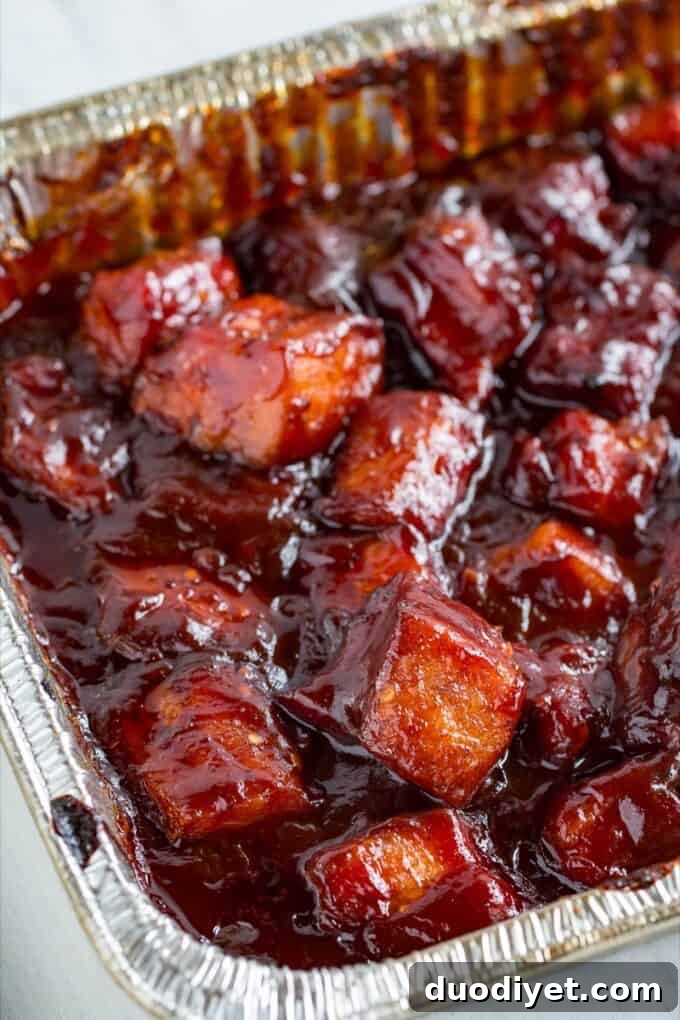
Pork Belly Burnt Ends are simple to prepare yet incredibly tender and flavorful. They steal the show at any barbecue and are perfect piled on a platter or served on toothpicks for easy snacking—just have plenty of napkins on hand.
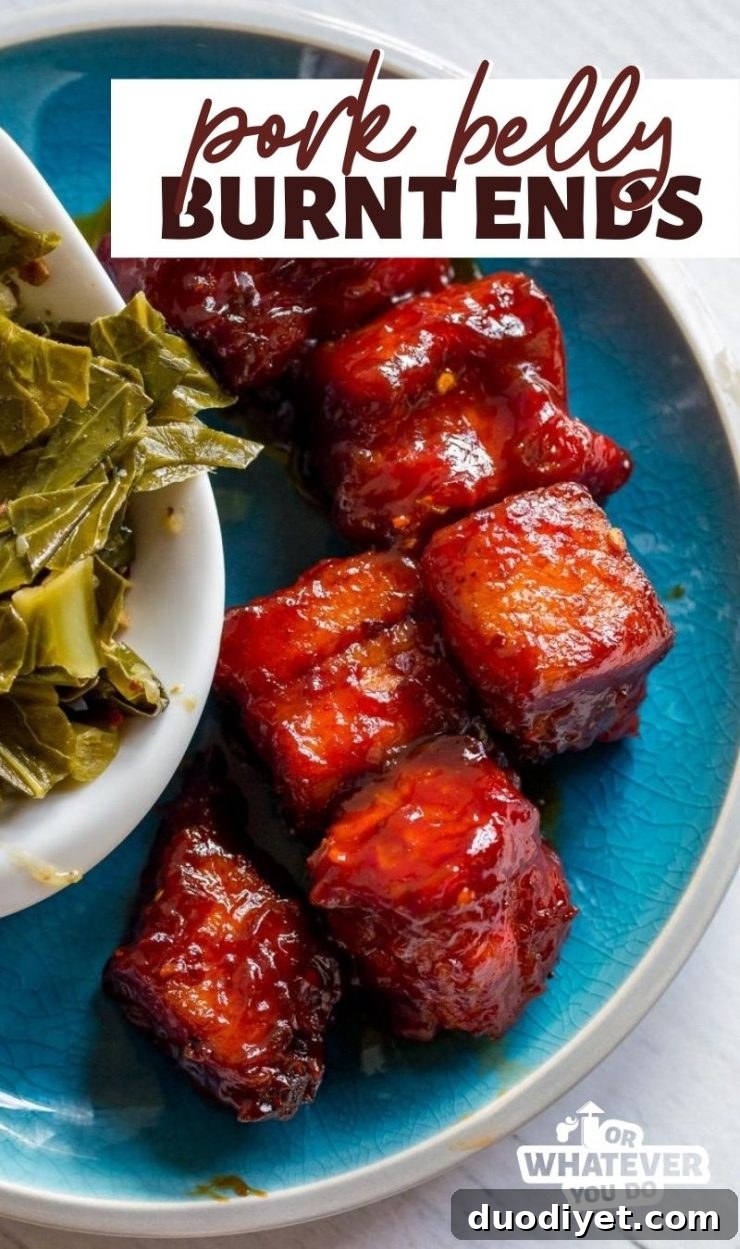
Pork Belly Burnt Ends
Whether you call them an appetizer or the main attraction, these pork belly burnt ends deserve a spot on your table. They build a deep, smoky crust, render down to a buttery texture, and finish with a sticky, caramelized coating—making them irresistibly snackable.
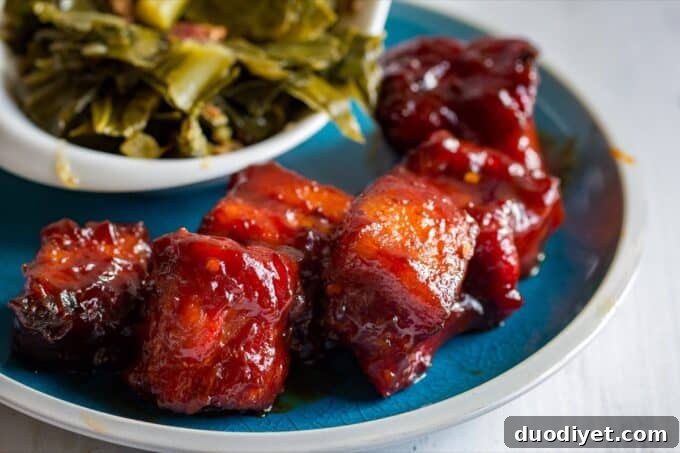
What are burnt ends?
Burnt ends are small, richly flavored pieces of meat that develop a deeply caramelized crust—or “bark”—during long, slow cooking. In Kansas-style barbecue they traditionally come from the fatty point of a beef brisket, but for this version we use pork belly. Pork belly makes a wonderful, economical substitute because it has a high fat content that renders down and produces tender, flavorful bites.
When you cook pork belly low and slow, the fat melts into the meat and collagen breaks down, creating fork-tender pieces with a sweet, savory, smoky finish. A final glaze of barbecue sauce caramelizes on the surface for a sticky, delectable coating.
I recommend using a pellet grill such as a Traeger or any other smoker you have available. The consistent, gentle heat from pellets helps form the bark and imparts a subtle smoke flavor that complements the glaze.
More Easy Traeger Recipes available for inspiration
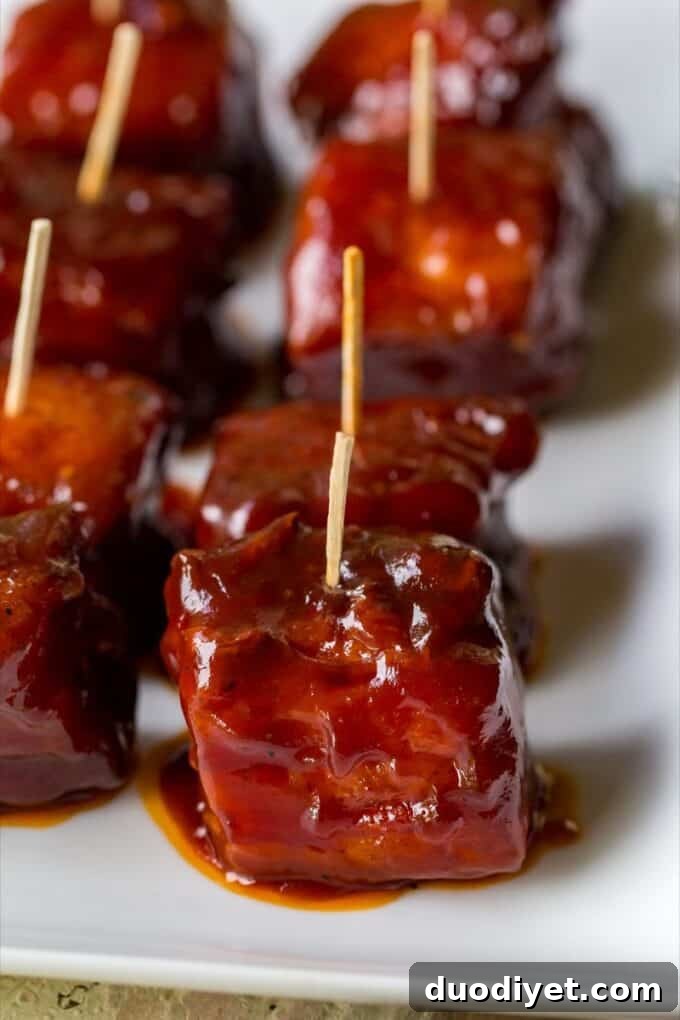
What kind of meat do I need for burnt pork belly ends?
Look for a whole pork belly rather than pre-sliced bacon or thin slices. Pork belly is the primal cut used to make bacon, but in its unsmoked form it gives you the flexibility to cube and slow-cook pieces so the fat renders properly. Choose a belly with a moderate balance of meat and fat—too lean and the bites can dry out; too fatty and they can be greasy. If you can’t find pork belly on the shelf, a butcher can usually order one for you.
Avoid using very thin pre-sliced pieces; the goal is to cut roughly 1½-inch cubes so each piece can render slowly, build bark, and remain juicy.
Find more pork recipe ideas in your collection
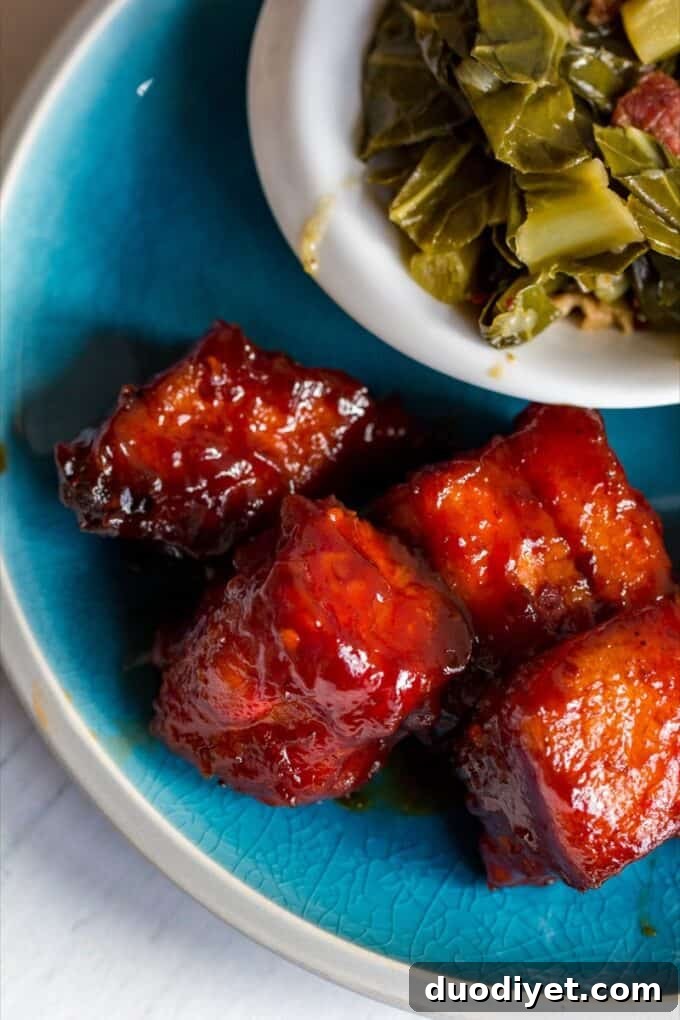
How do I cook burnt pork belly ends to get them just right?
Plan for low-and-slow cooking at approximately 225–275°F. The process takes several hours: the first stage renders fat and begins collagen breakdown, which makes the meat tender, and the final stage creates the bark and caramelizes the glaze.
A typical timeline is 2½ to 3 hours on the grill for rendering and bark development, then a short return to the grill after adding sauce to allow the sugar to caramelize—about 20–30 minutes. You’ll know they’re ready when the pieces are dark, glossy, and the fat layers have softened so the cubes yield slightly to the touch but still hold together.
Try these cooking tips while your smoker is heating up
How much pork belly do I need?
Start with 4–5 pounds of raw pork belly to yield a generous amount of burnt ends. Because so much fat renders out during cooking, the finished yield will be noticeably smaller—plan on roughly one to two pounds of finished product depending on the cut and how much fat renders away.
How can I help tenderize the meat in the pork belly?
There are two simple ways to assist tenderization before smoking: marinate the cubes in barbecue sauce or brine them overnight. Vinegar-based sauces help break down connective tissue, while a salt brine increases moisture retention and speeds collagen breakdown. Either method adds prep time but can reduce active grilling time and improve tenderness—especially useful if your belly is on the leaner side.
If your pork belly is very fatty, slow smoking alone will do most of the work: the rendered fat will baste the meat as it cooks, keeping it soft and flavorful. For leaner pieces, a brief overnight brine or marinade is recommended.
Explore more easy smoker recipes
How do I reheat burnt pork belly ends?
To reheat while preserving moisture and texture, sous vide is an excellent method. Place the burnt ends in a heat-safe bag or jar and immerse in water held at about 130°F until warmed through. This gentle approach keeps the meat juicy and prevents the glaze from overcooking. If you don’t have sous vide equipment, reheat gently in a low oven (250°F) covered, checking often so the glaze doesn’t burn.
Follow on Instagram for more recipe ideas
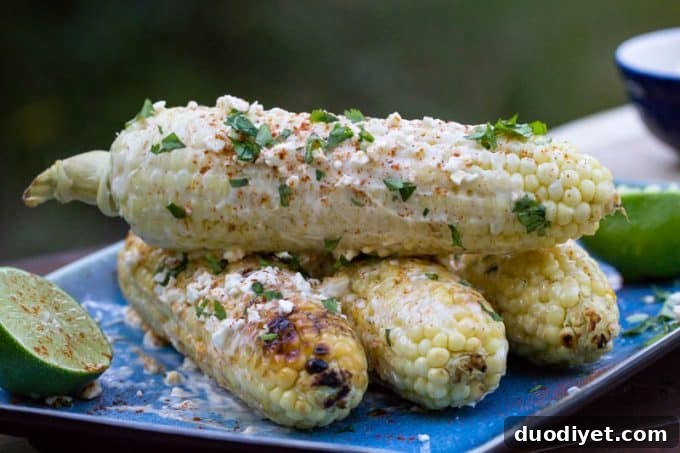
What else can I serve with my burnt barbecue pork belly ends?
Burnt ends pair beautifully with classic barbecue sides. Use the cooking time to prepare a few complementary dishes so your meal feels complete when the burnt ends are ready.
Side ideas that work well:
- Smoked scalloped potatoes with a creamy, cheesy interior and a light smoky finish.
- Grilled squash and zucchini tossed with olive oil, salt, and pepper for a bright contrast.
- Grilled Mexican-style street corn finished with cotija, lime, and spices.
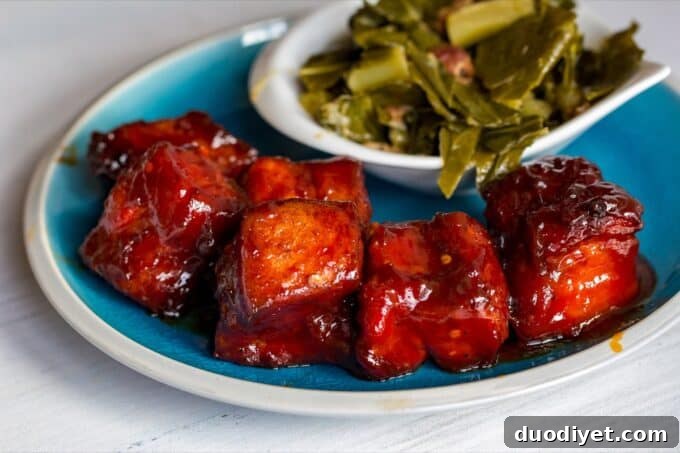
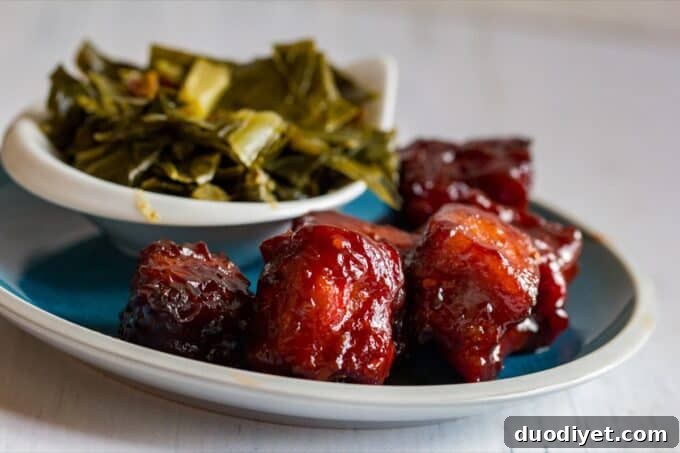
- Braised collard greens or another tangy, slow-cooked green to balance the richness (featured in the photos).
24 Incredible Traeger Recipes to try next
Pork Belly Burnt Ends
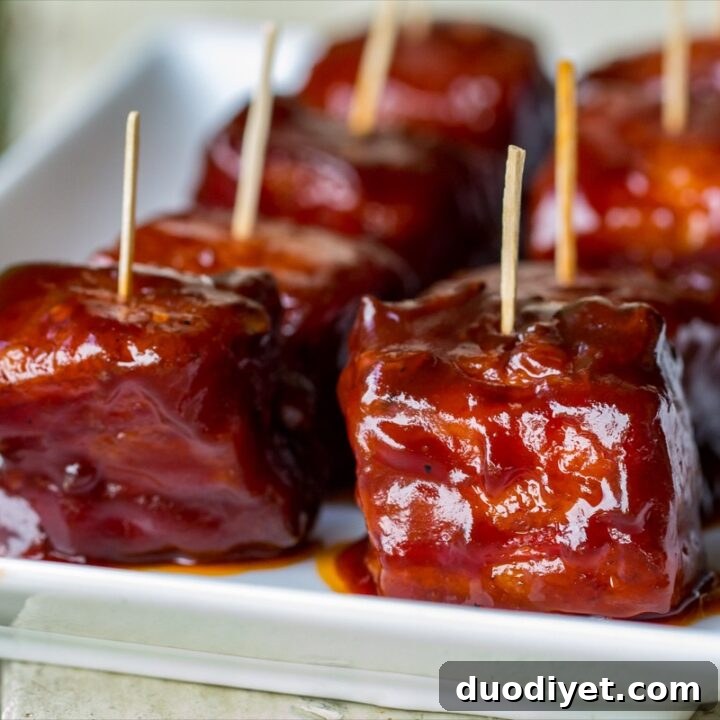
These pork belly cubes are slow-cooked on a pellet grill until tender, then finished with barbecue sauce so each bite is sticky, caramelized, and full of flavor.
10 minutes
4 hours
4 hours 10 minutes
Ingredients
- 2 pounds pork belly
- ¼ cup Everything Rub (or your preferred rub)
- 2 cups barbecue sauce
Instructions
- Cut the pork belly into 1½-inch squares and place them in a medium bowl.
- Coat the pork belly cubes with about two-thirds of the rub, making sure each piece is evenly seasoned.
- Cover and refrigerate for 1 hour to let the rub adhere and begin flavoring the meat.
- Preheat your pellet grill or smoker to 275°F.
- Arrange the pork belly pieces on the grill with at least ½-inch of space between them to allow smoke circulation.
- Smoke for approximately 2½ to 3 hours, until the fat has started to render and a dark bark forms.
- Check doneness by pressing a few pieces—fat layers should give slightly while the cubes remain intact.
- Transfer the pieces to a foil pan or heat-safe container and sprinkle the remaining rub over them, tossing gently to coat.
- Pour the barbecue sauce over the pork, stirring to fully coat each piece.
- Return the pan to the grill for about 30 minutes, or until the sauce begins to simmer and caramelize.
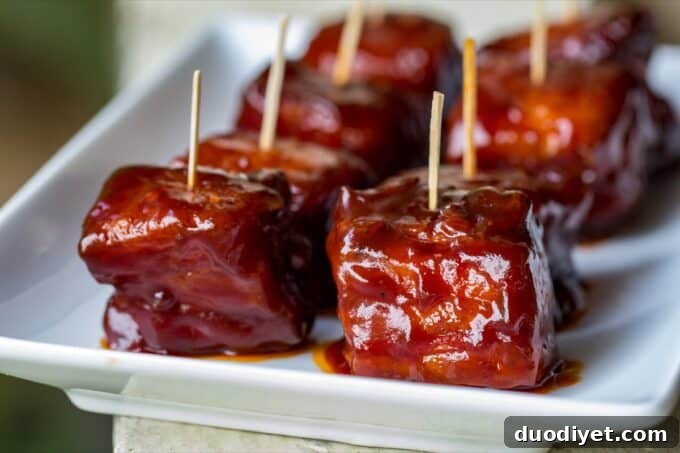
- Remove from the grill and serve hot, piled on a platter or skewered for easy serving.
Nutrition Information:
Yield: 12
Serving Size: 1
Amount Per Serving
Calories: 310
Total Fat: 17g
Saturated Fat: 6g
Cholesterol: 66mg
Sodium: 557mg
Carbohydrates: 19g
Sugar: 16g
Protein: 18g
Nutrition data is an estimate. For medical or dietary tracking, consult a trusted nutritional source.