
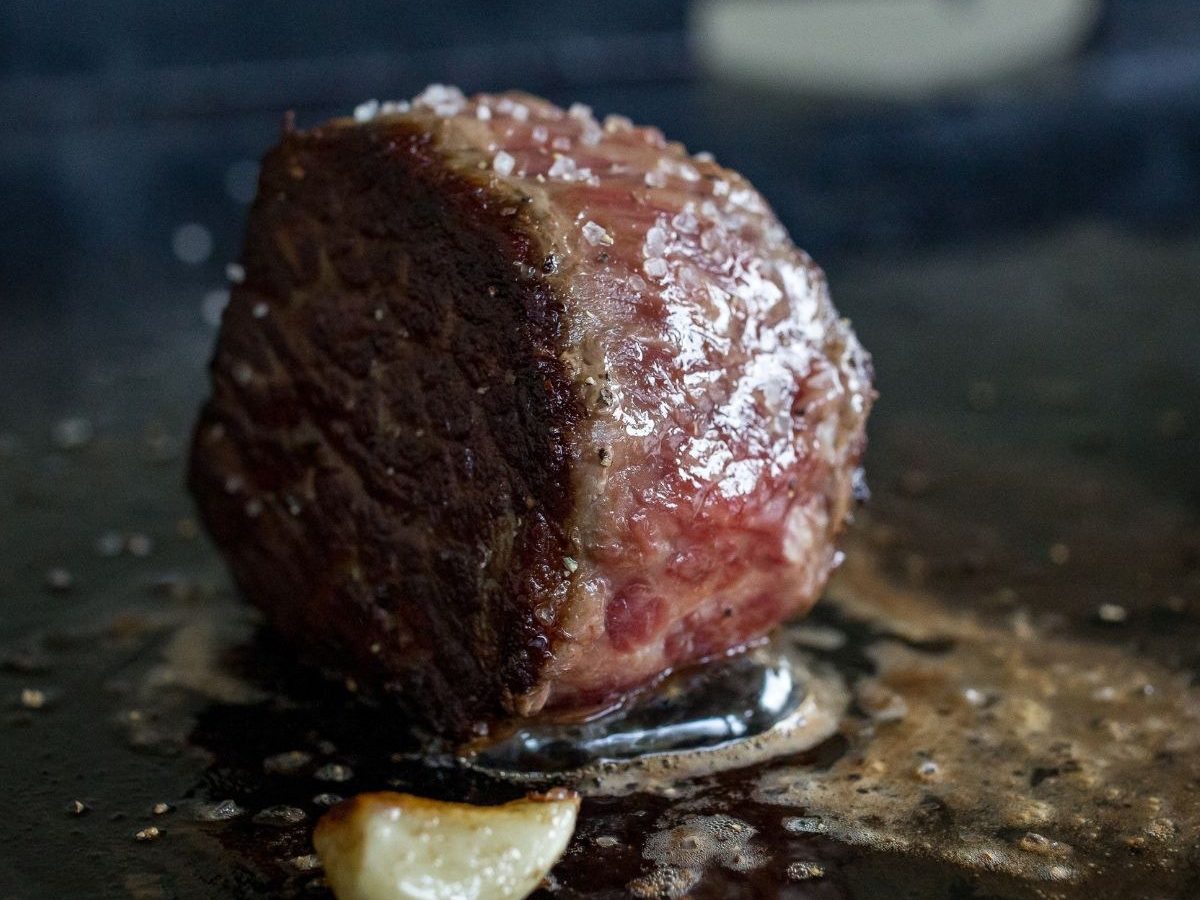
Our simple Blackstone Griddle Steak is seared on a flat-top griddle and cooked with propane heat. You’ll love the easy sear, crisp crust, and the flavorful results you can achieve on a versatile Blackstone griddle.
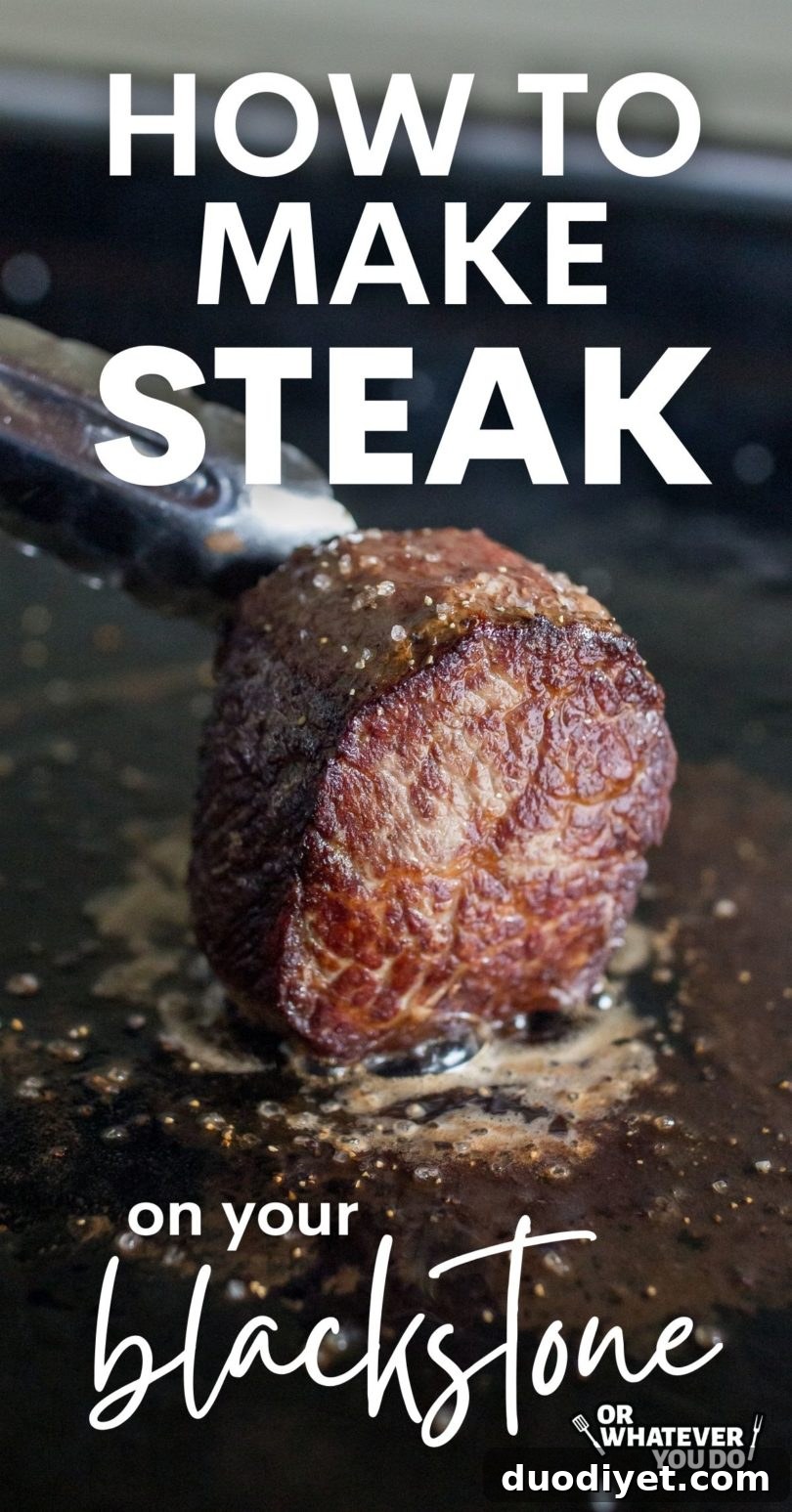
How to Cook Steak on a Blackstone Griddle
A Blackstone flat-top griddle delivers a controlled, even cooking surface ideal for steaks. The broad, flat surface spreads heat uniformly, giving you room to cook sides at the same time and creating the perfect environment for a deep, flavorful sear.
This flat-top method uses the direct flame from propane and the griddle’s consistent surface to lock in juices and form a crunchy, caramelized crust. The result is a steak that stays moist inside while developing rich, savory flavors on the outside.
Because the griddle surface distributes heat evenly, you don’t have to worry as much about hot spots. That makes cooking more forgiving and gives you consistent results even when cooking multiple steaks at once.
More Blackstone Recipes here!
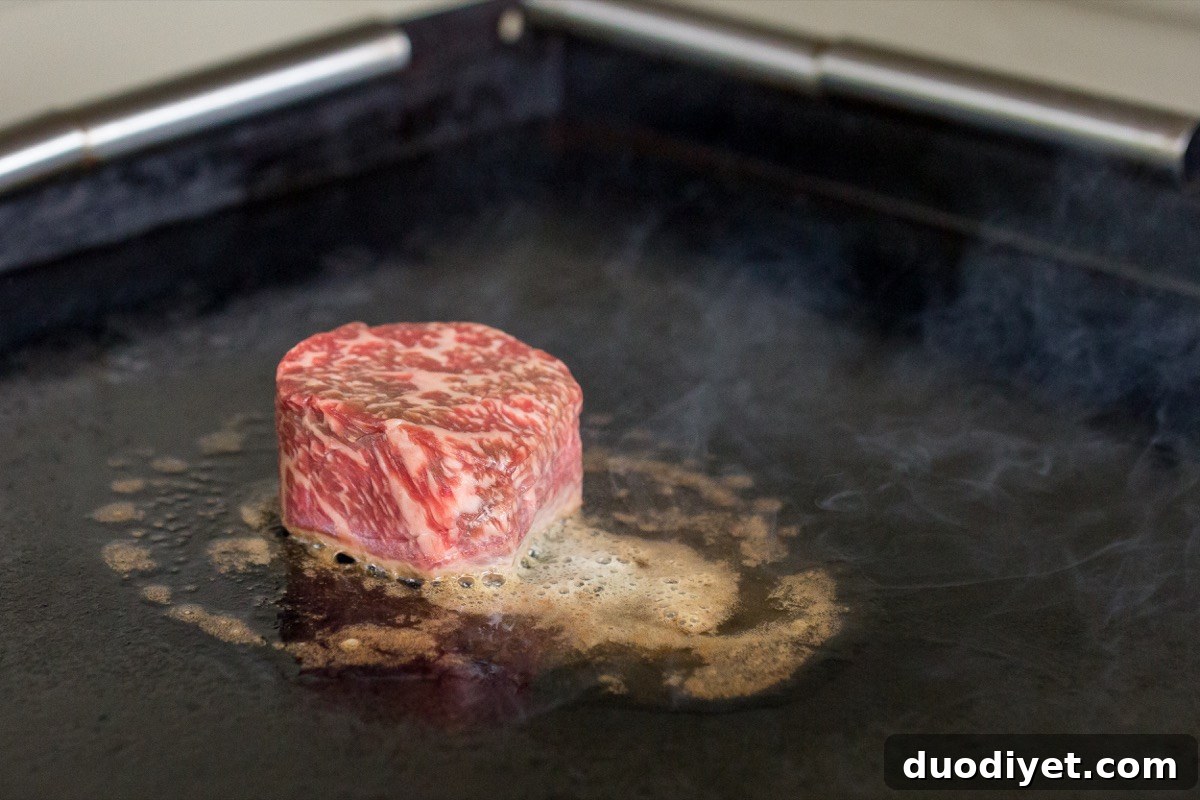
Grilling Steak on a Flat-Top Griddle
Cooking steak on a Blackstone griddle is straightforward: heat the griddle to a high temperature—roughly 450–500°F—season your steaks, and place them on the surface. Allow them to sear and form the signature crust without moving them too early.
Never rely solely on cooking times; use an internal thermometer to judge doneness. After removing steaks from the griddle, let them rest for about 5 minutes. Resting lets the juices redistribute and accounts for a bit of carryover cooking.
| STEAK TEMPERATURES | PULL | FINAL |
| RARE | 115° | 120° |
| MID-RARE | 125° | 130° |
| MEDIUM | 130° | 135° |
| MEDIUM-WELL | 135° | 140° |
| WELL | 140° | 145° |
More great BEEF recipes here!
How Do You Know Your Steak Is Done?
A meat thermometer is the most reliable way to confirm doneness, but with time you can also learn to judge by feel. Press the center of a steak with your tongs or finger: rarer steaks feel softer and release more moisture; well-done steaks feel firmer and drier. Practice with a thermometer until you can match touch to temperature.
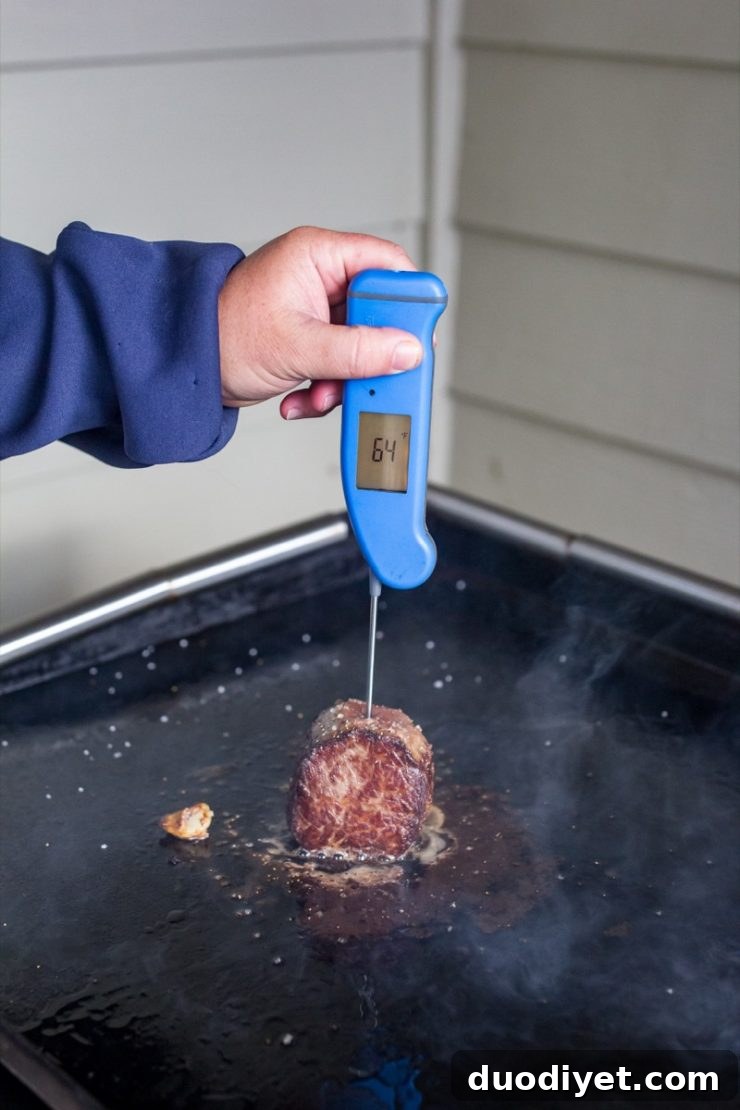
Avoid stabbing steaks with forks—piercing lets flavorful juices escape. Use tongs to flip steaks gently, flipping only once whenever possible to preserve moisture and build a consistent crust.
Have a Cocktail with dinner!
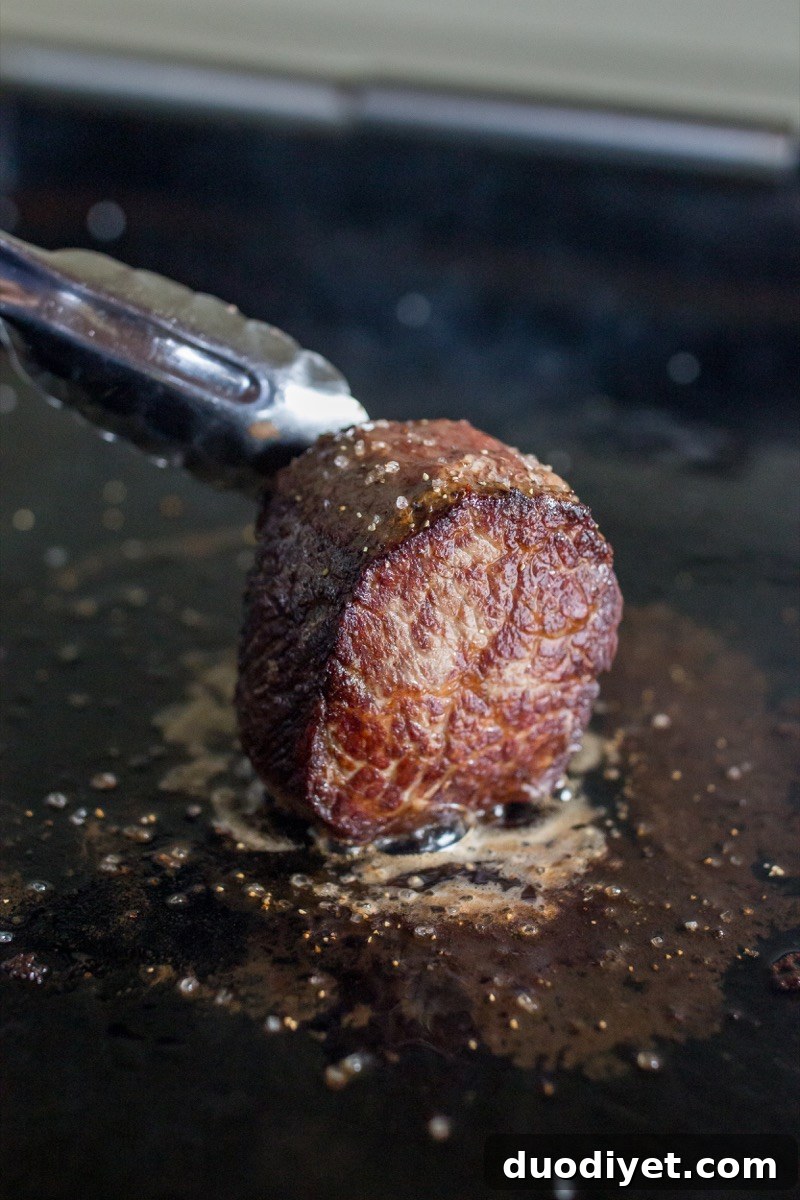
Best Cuts of Steak for Grilling
Most cuts work well on a flat-top griddle, but medium to thicker cuts often deliver the best combination of crust and juicy interior. Thicker steaks—1 to 2 inches—tend to have better marbling and hold up well during high-heat searing.
Cuts such as ribeye (including cowboy or tomahawk styles), New York strip, T-bone, and flank steak all shine on a griddle. Thicker cuts benefit from high initial heat to form a crust, then moderate heat if they need more time to reach target temperature without overcooking the exterior.
Tender cuts like filet mignon or chateaubriand also work, though they sometimes benefit from a two-stage approach: a brief, high-heat sear followed by a slightly lower heat finish to ensure even doneness.
Get your Blackstone Griddle here!
Steak Recipes and Inspirations
A perfectly cooked steak is the highlight of any cookout. Below are a few favorite preparations to inspire your next griddle session.
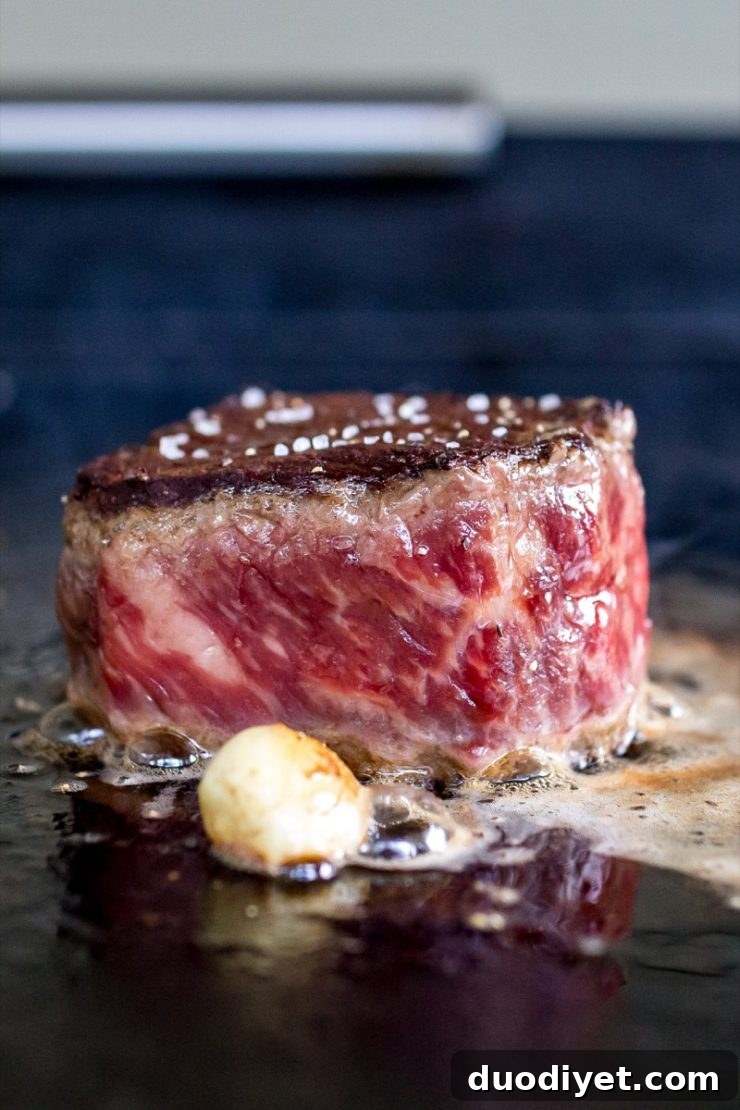
Wagyu Manhattan Filet
For the beef devotee, an American Wagyu filet offers exceptional marbling and richness—ideal for a special occasion.
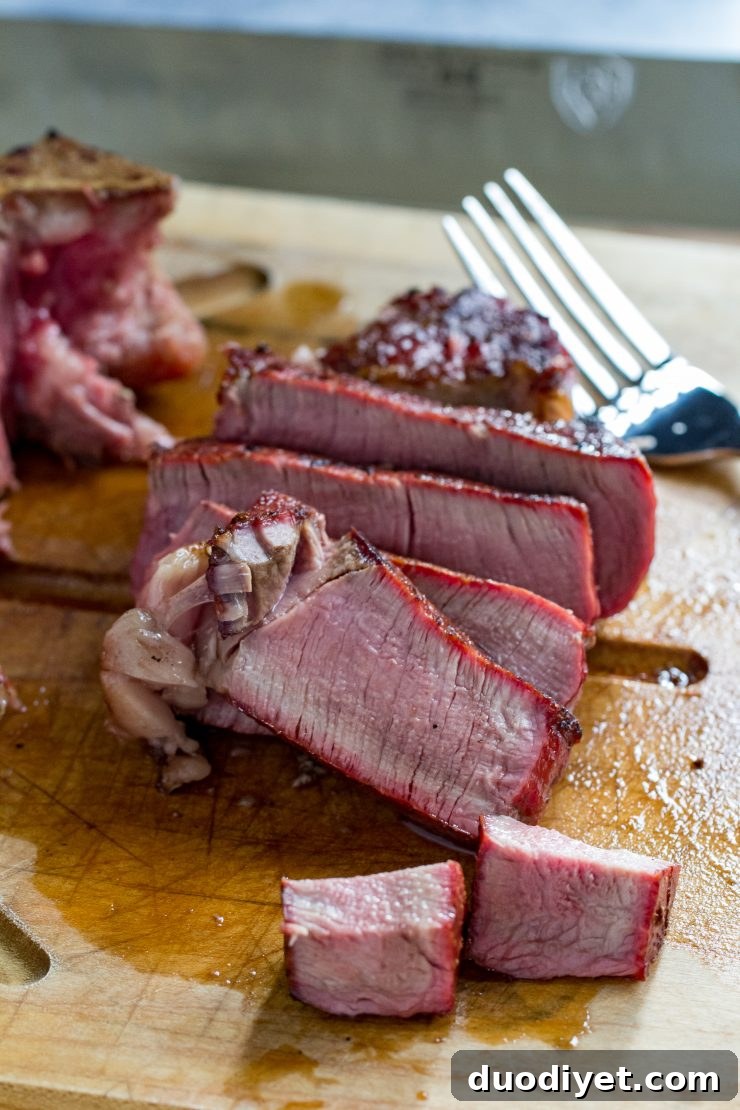
Reverse-Seared T-Bone
The T-bone combines two prized cuts, and the reverse-sear method brings out excellent flavor and tenderness.
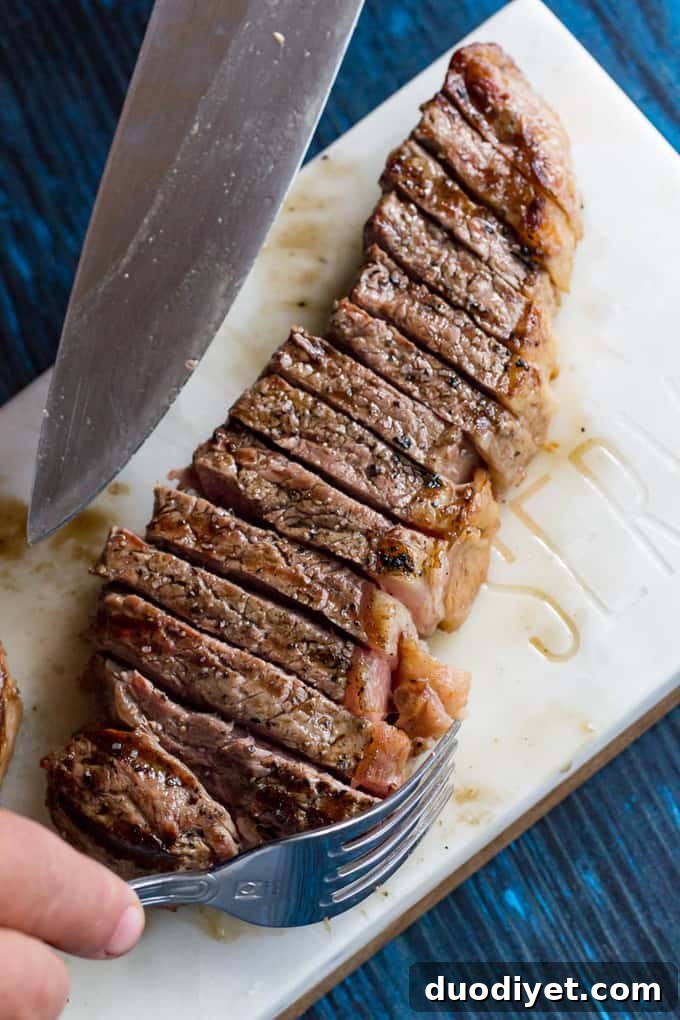
Grilled New York Strip
New York Strip steaks are flavorful, affordable, and grill beautifully on a flat-top or open-flame grill.
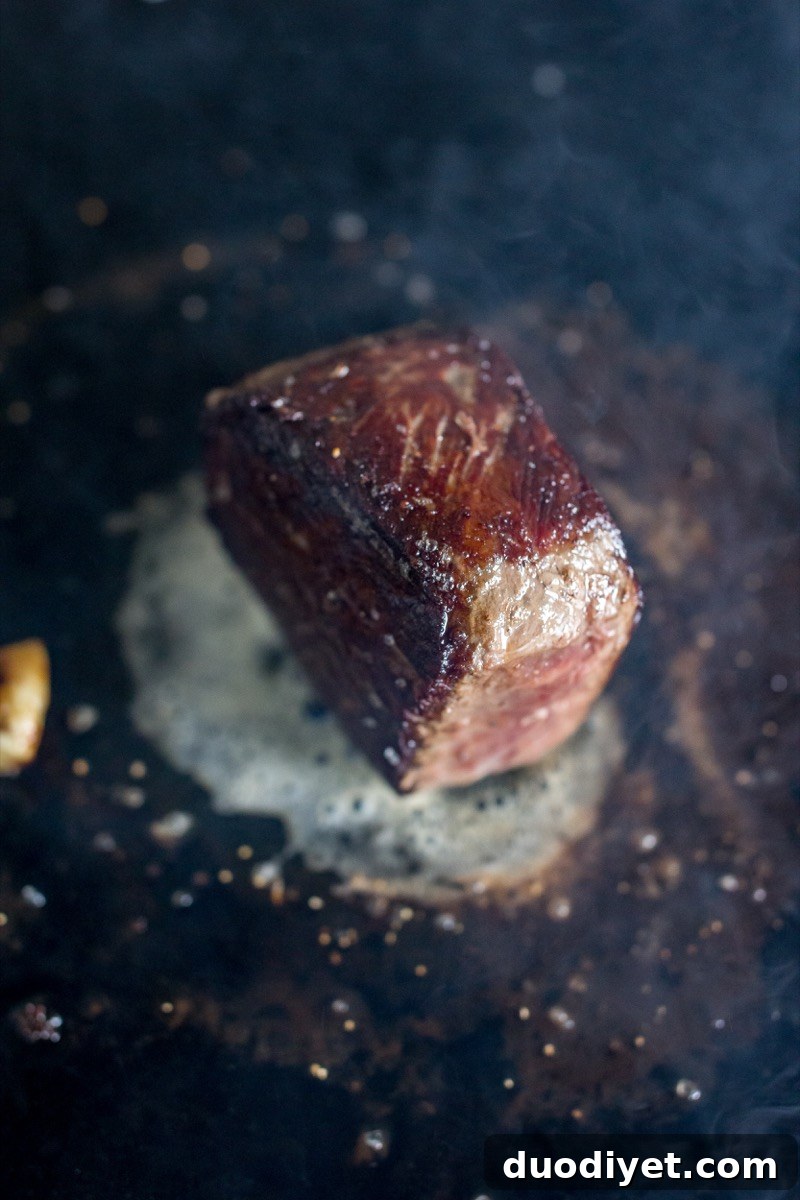
Steaks Less Suited to the Griddle
There aren’t many steaks that won’t cook on a flat-top, but very thick, bone-in cuts can benefit from a slow, low-temperature finish with a lid (reverse-sear on a smoker or pellet grill) to bring the interior to temperature without overbrowning the exterior.
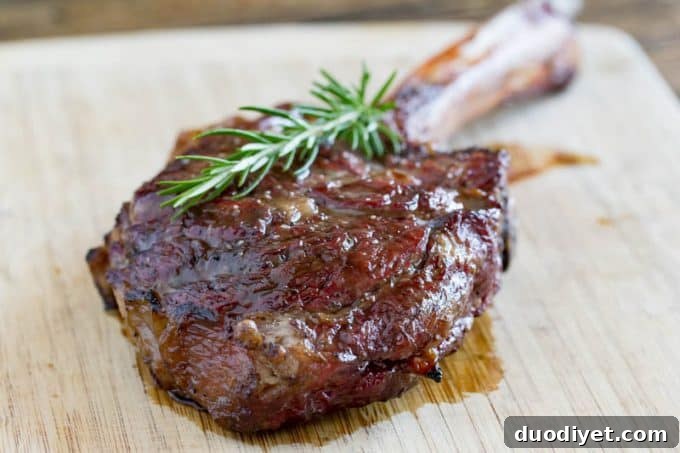
Use Your Blackstone Griddle for a Perfect Reverse Sear
The reverse sear pairs slow, low-temperature cooking with a final high-heat sear on the griddle. It’s ideal for thick steaks and produces even doneness with a great crust.
- Reverse-Seared Hanger Steak
- Reverse-Seared Flank Steak
- Steak Fajitas
- Tomahawk Ribeye
More Easy Traeger Recipes here!
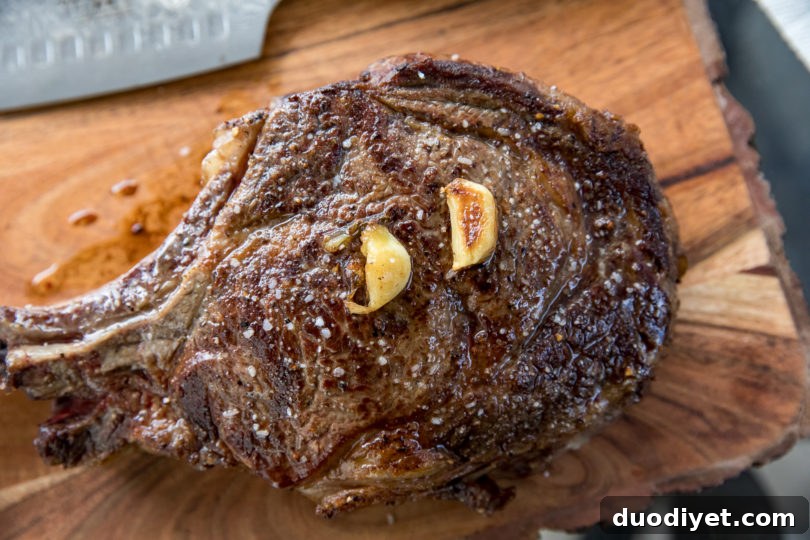
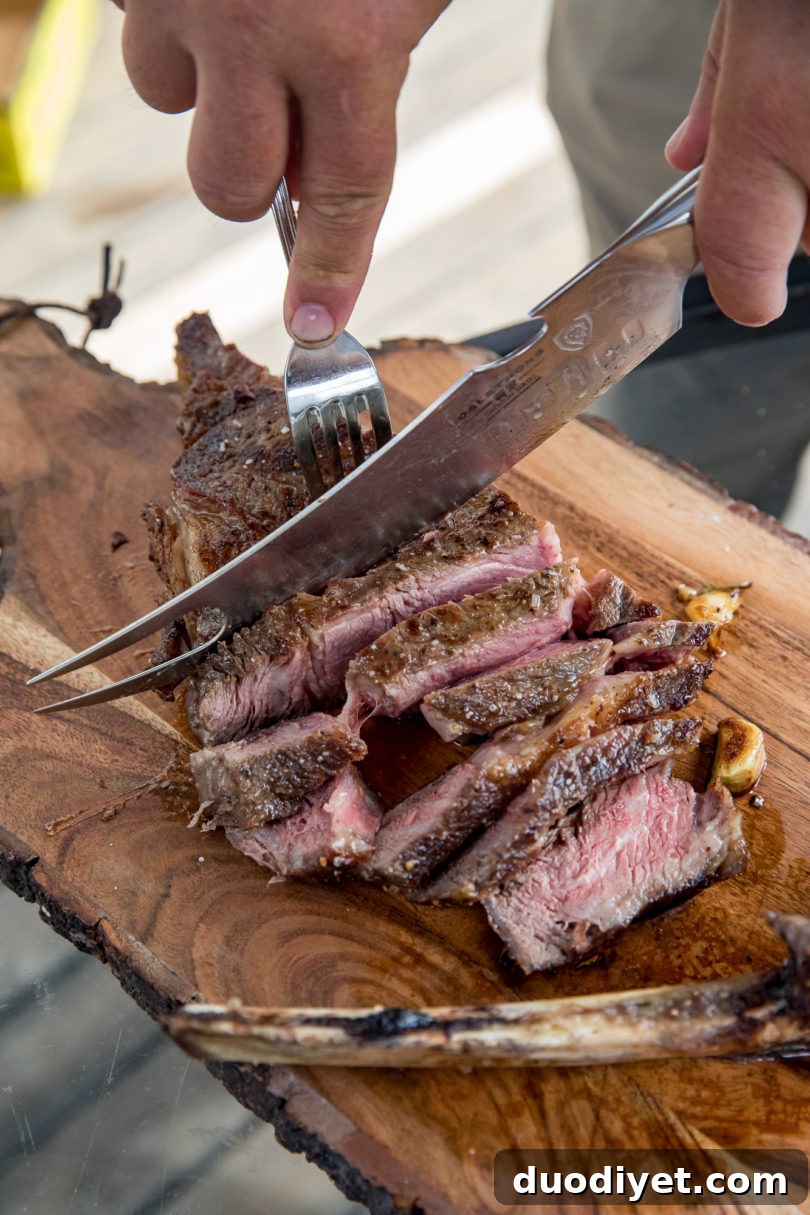
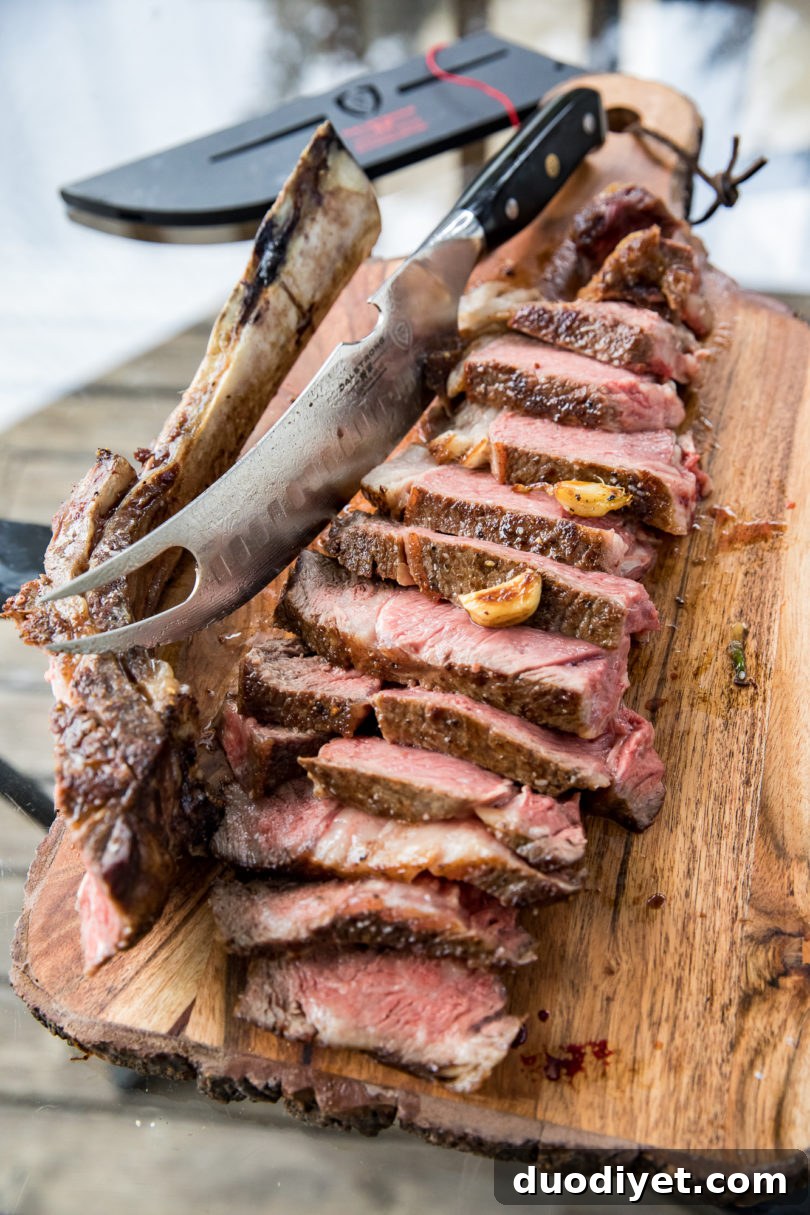
Best Toppings for Steak
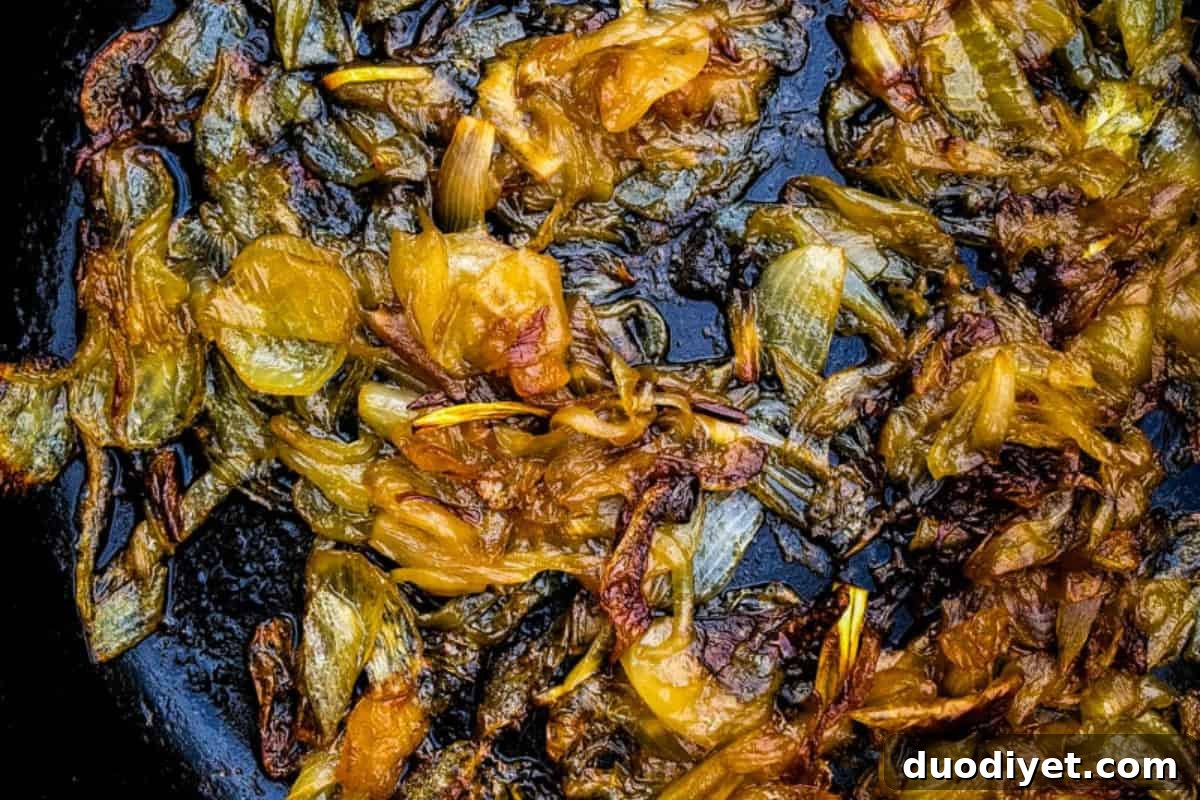
Steak pairs well with many toppings: caramelized onions, sautéed mushrooms, peppercorn sauce, crab or lobster, compound butters, and garlic shrimp are all excellent choices.
A few suggested accompaniments:
- Caramelized Onions — classic with steak.
- Grilled Crab or Lobster — luxurious surf-and-turf.
- Smoked Caramelized Onion Butter — rich and savory finish.
- Shrimp in Garlic Cream Sauce — a decadent topping option.
Should Steak Ever Be Cooked Well Done?
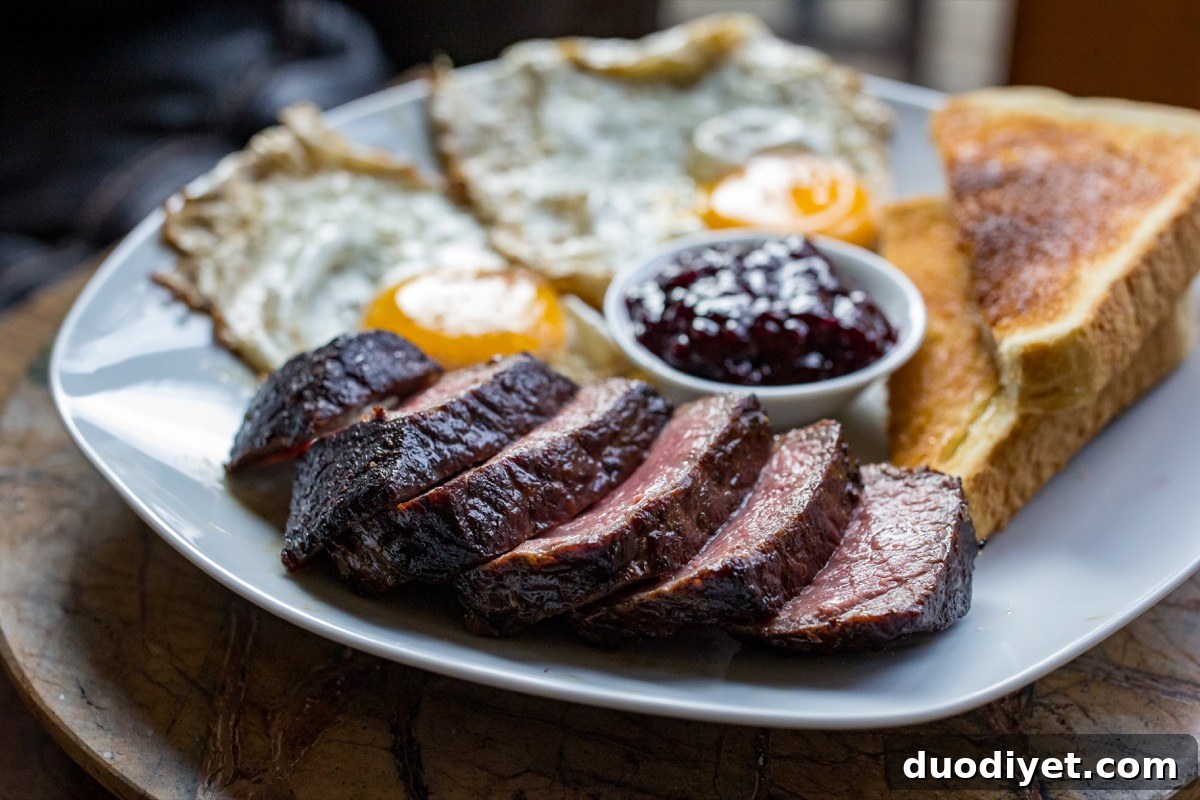
You can cook a steak well done if that’s your preference, but most steaks become noticeably tougher and drier as they reach higher internal temperatures. If you prefer well-done steak, choose well-marbled cuts like ribeye to retain more juiciness.
A little sauce—classic ketchup or a steak sauce—can complement a well-done steak and help with moisture and flavor.
Best Sides to Serve with Steak
Steak complements many side dishes. Here are favorites that pair exceptionally well:
- Creamy One-Pot Asparagus Pasta
- Creamy Noodles
- Grilled Asparagus
- Homemade Caesar Salad
- Greek Orzo Salad
- Potato Stacks with Parmesan Cream Sauce
Pin For Later
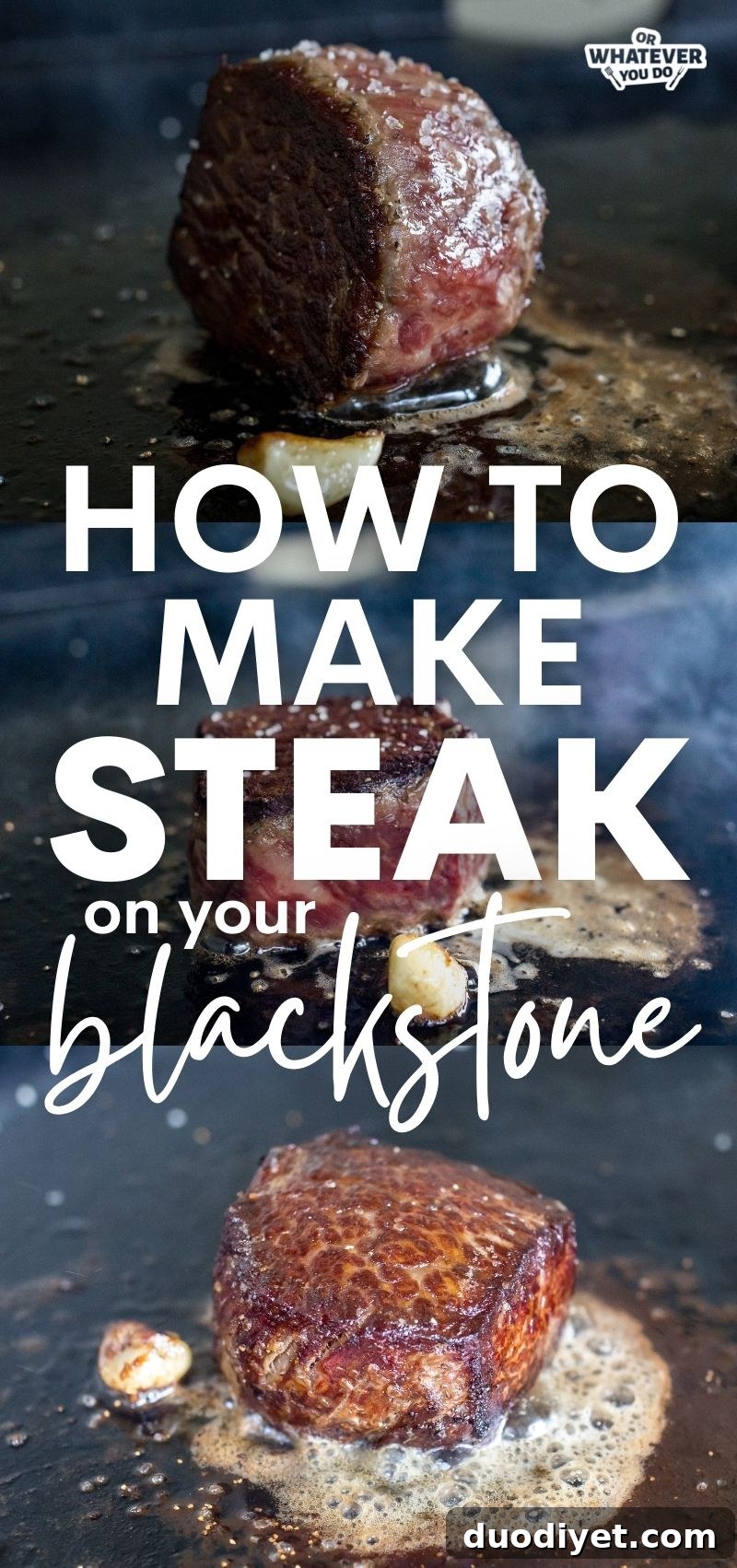
Blackstone Griddle Steak
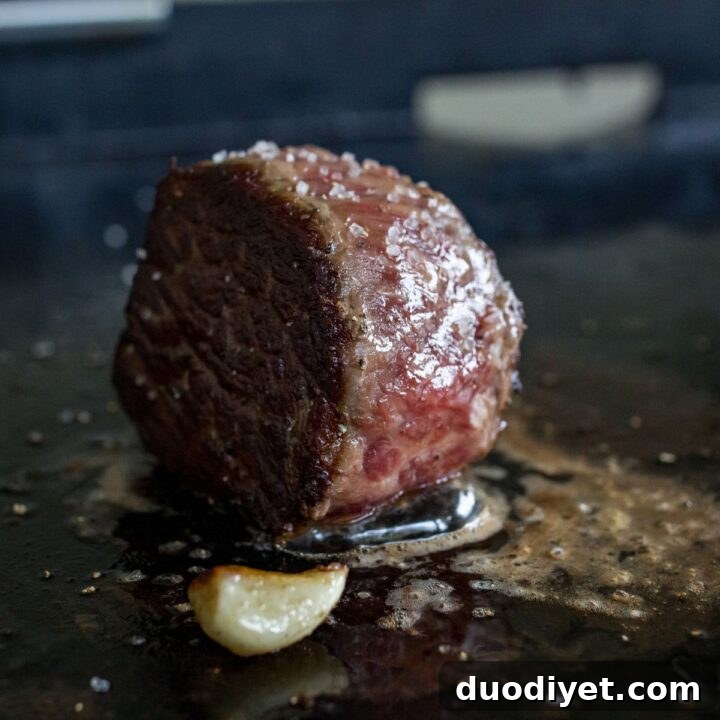
This Blackstone Griddle Steak is a very simple main course that can be ready in under 15 minutes and is easy to master.
Ingredients
- 1 steak
- Salt
- Pepper
Instructions
Direct Sear Method
- Preheat the Blackstone to medium-high heat.
- Season the steak with salt and pepper and place it on the hot griddle.
- Leave it undisturbed for several minutes to form a crust.
- Flip once and cook until the other side develops a crust and the internal temperature reaches your desired doneness. For very thick or bone-in cuts, sear the sides and then reduce heat and cook covered to ensure even cooking.
Reverse Sear Method
- Season the steak and place it in a smoker or low-temperature oven at 180–200°F until the internal temperature reaches about 120°F.
- Move the steak to a preheated flat-top griddle on medium-high to high heat and sear for 2–3 minutes per side to develop a crust.
Recommended Products
Suggested tools and equipment to consider when cooking steaks on a griddle:
- Instant-read thermometer (for accurate internal temps)
- Blackstone 36″ Griddle (or similar flat-top griddle)
- Pellet smoker or pellet grill (for reverse-sear method)
Nutrition Information (estimate)
Yield: 1 serving • Calories: ~600 • Sodium: ~582mg • Carbohydrates: 1g • Fiber: 1g
Nutrition data provided here is only an estimate.