
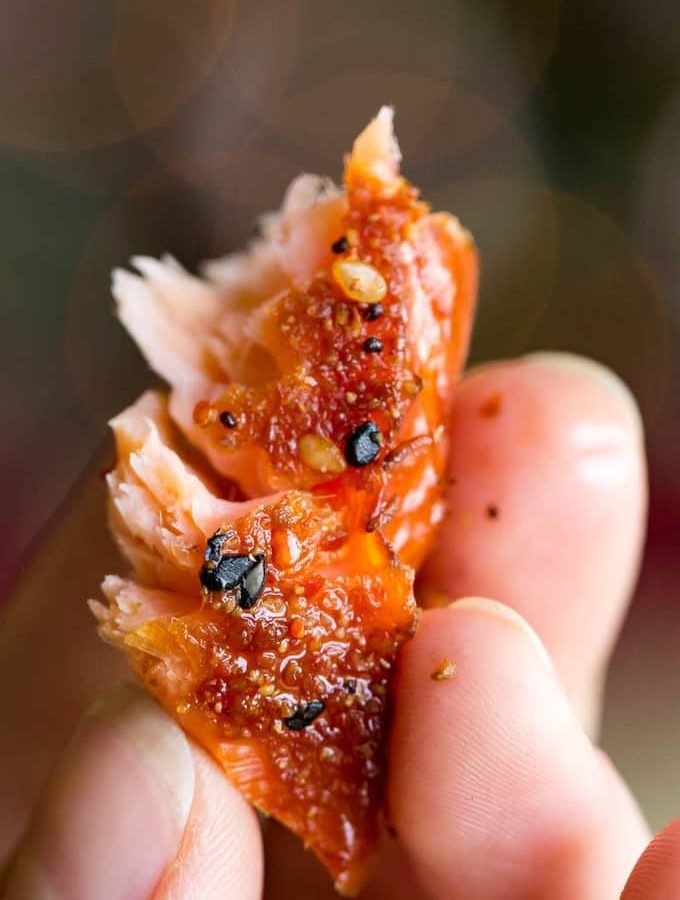
Smoked salmon is a timeless favorite, especially here in the Pacific Northwest where fresh fish are abundant. This Togarashi Smoked Salmon is prepared on a Traeger-style pellet smoker and balances bold Japanese seven-spice flavor with classic smoked salmon texture. The result is flavorful, versatile, and surprisingly easy to make at home.
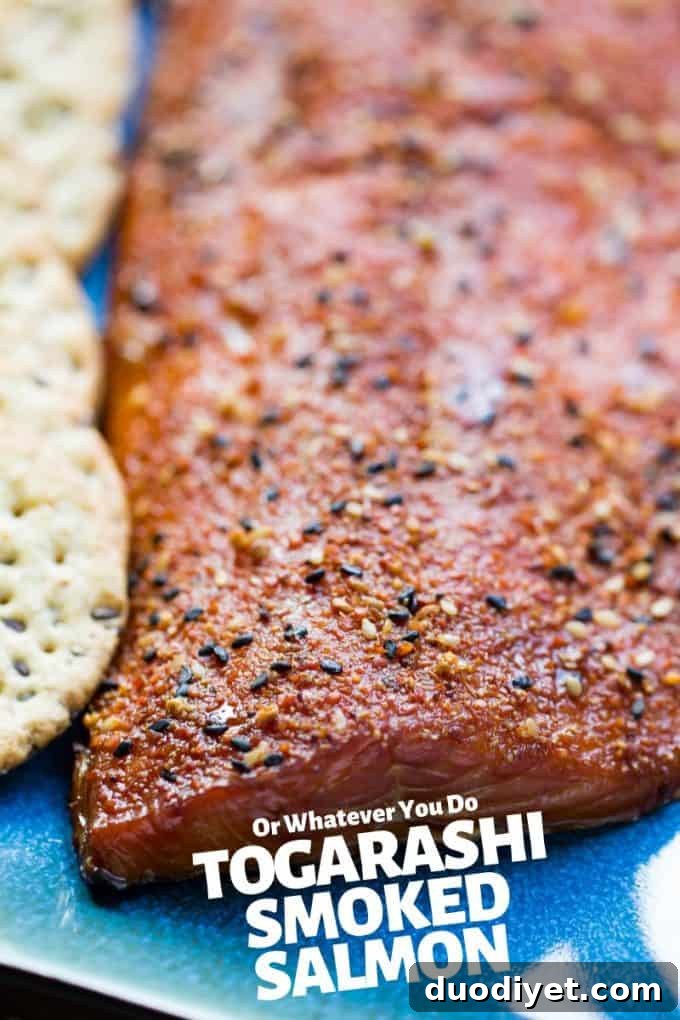
Togarashi Smoked Salmon
Living in the Pacific Northwest means access to fantastic salmon and a wide variety of fresh seafood year-round. When the weather cooperates, our coastal produce and the sunlight make it all worth it. This recipe showcases how a simple brine, a relaxed pellicle step, and a low-and-slow smoke can transform salmon into a memorable main course or appetizer.
This smoked salmon works equally well as an elegant appetizer, a plated luncheon option, or as part of a seafood platter. Serve warm with crackers or cool, slice thin, and arrange on a board with accompaniments.
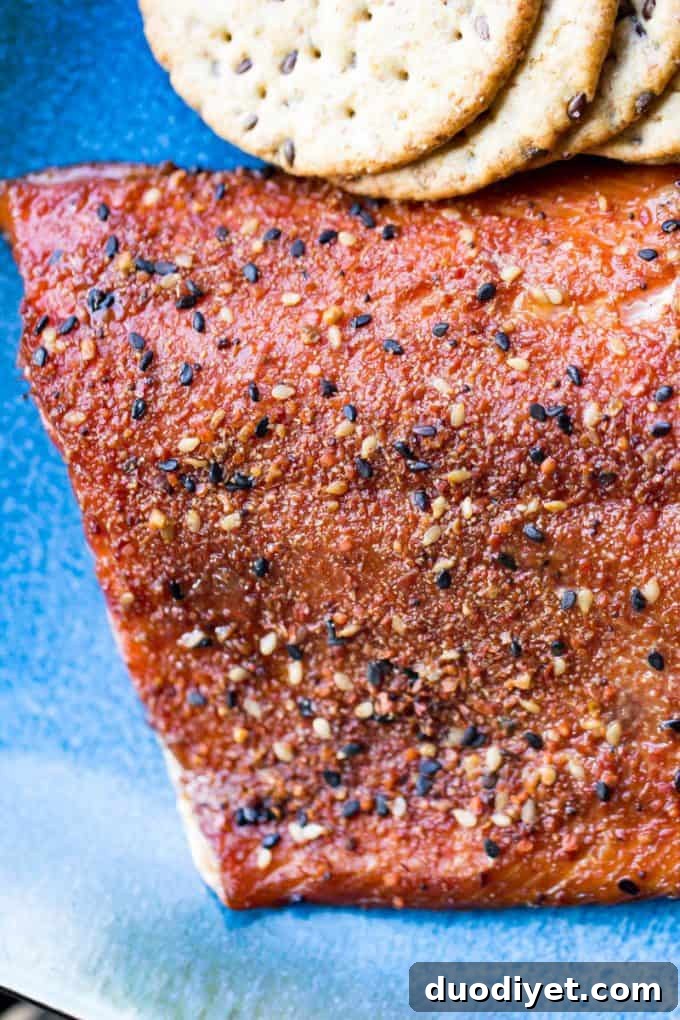
How to serve the smoked salmon
Serve this smoked salmon as an appetizer with crackers and cream cheese or build a full smoked salmon platter. Add sliced English cucumber, capers, thinly sliced red onion, avocado, cherry tomatoes, and soft-boiled eggs. Offer an assortment of crackers and breads so guests can customize their bites. It’s also a great dish to bring to potlucks, family gatherings, or weekend get-togethers.
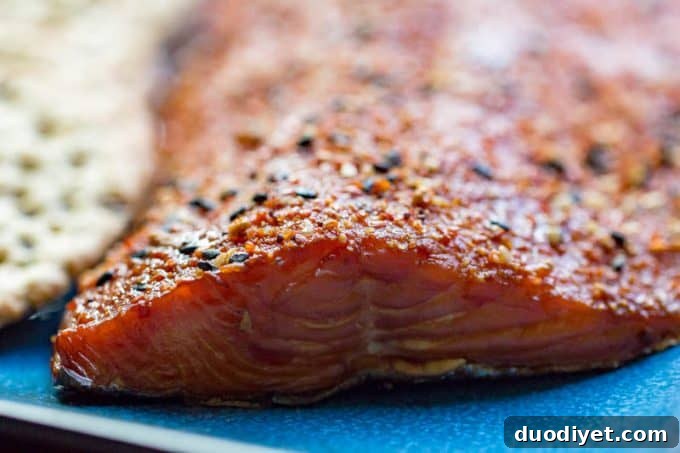
Choosing fresh salmon
When buying salmon, look for moist, firm flesh with bright, consistent color. Avoid fillets that look dry or have browned spots along the edges, belly, or skin. Fresh salmon should not have a strong “fishy” odor—an off smell usually indicates the fish is past its prime.
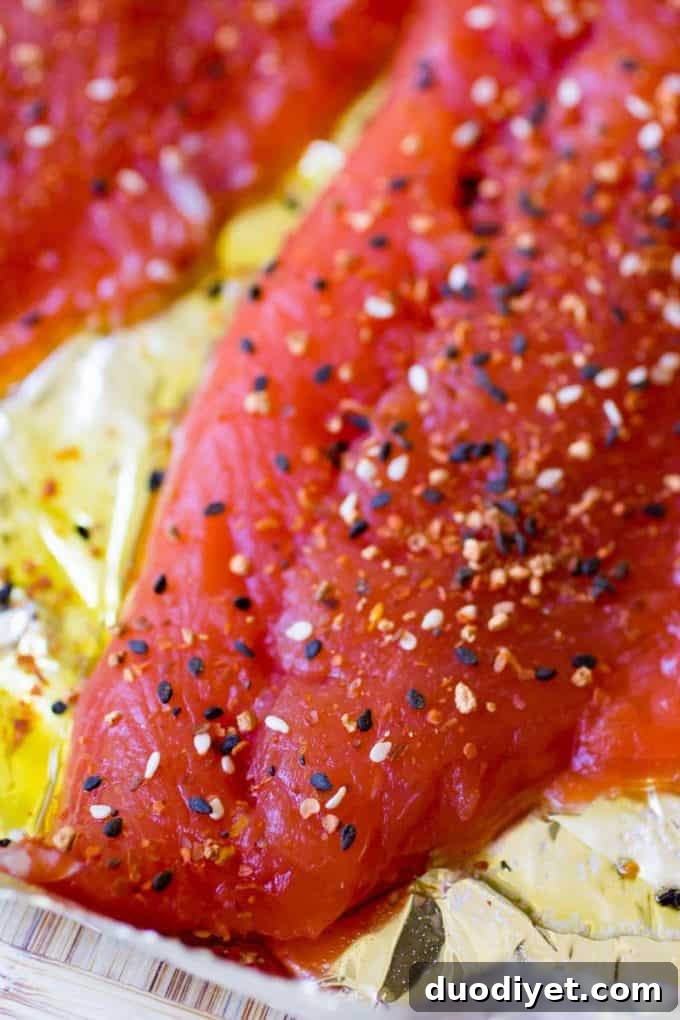
Salmon varieties and the best choices for smoking
Several salmon varieties are commonly available. In the Pacific, the most familiar are Chinook (King), Coho (Silver), Pink, Sockeye (Red), and Chum. Atlantic salmon is typically farmed. For smoking, fattier fish like Chinook (King) and Coho (Silver) deliver the most flavorful, moist results because their higher oil content stands up well to low-and-slow cooking.
- Chinook / King — Rich, high-fat, deeply flavorful; excellent for smoking.
- Coho / Silver — Slightly milder but still a great choice for smoke.
- Pink — Lightweight flavor; commonly canned or smoked.
- Red / Sockeye — Vibrant color and stronger flavor.
- Chum — Leaner, often used for canning or frozen products.
- Atlantic — Farmed, widely available but not wild-caught.
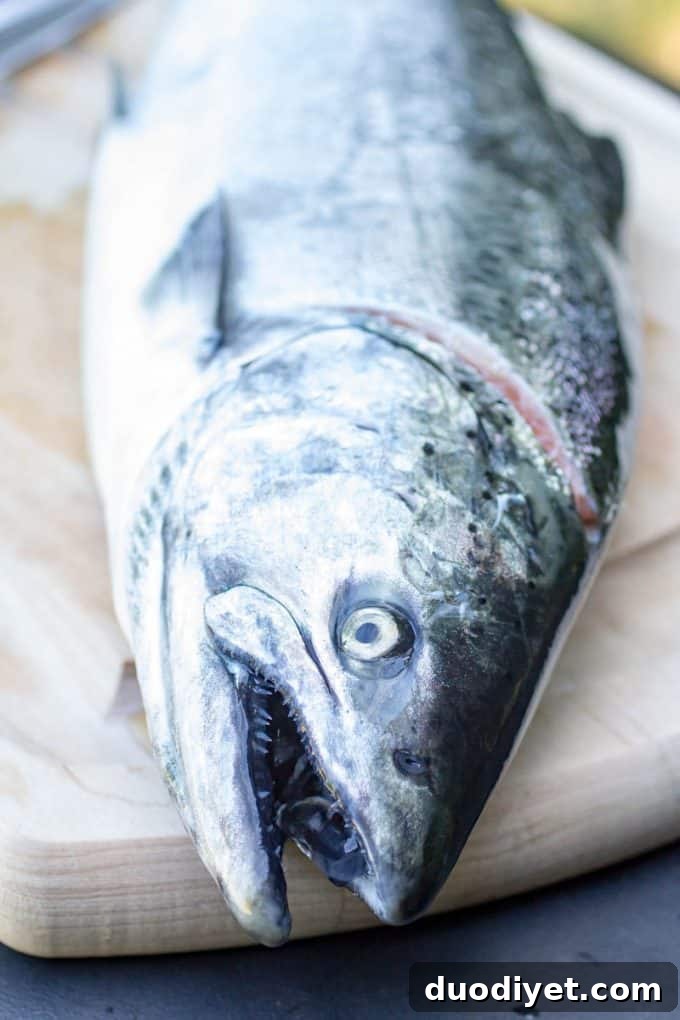
Is smoked salmon cooked?
Hot-smoked salmon is cooked during the smoking process and can be served right away. Observe standard food-safety practices: refrigerate promptly and avoid leaving smoked salmon at room temperature for more than an hour or two. The temperature “danger zone” between 40°F and 140°F allows bacteria to multiply, so store chilled or frozen if not serving immediately.
Ways to use smoked salmon
Smoked salmon is versatile. Try these ideas:
- Smoked salmon dip mixed with cream cheese, lemon, and chives.
- Rich smoked salmon chowder that highlights the smoky flavor.
- Orzo or pasta salad with smoked salmon flaked through and fresh herbs.
- Tossed into a fresh green salad for a protein-packed lunch.
- Folded into mac and cheese for a smoky, savory twist.
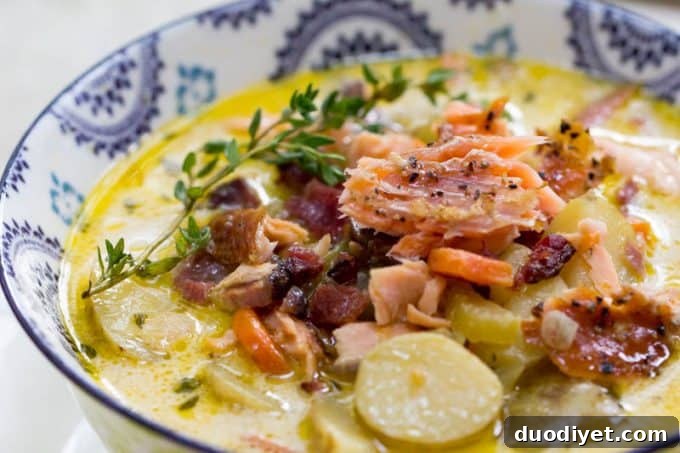
What is Togarashi?
Togarashi, often called Japanese seven-spice or shichimi, is a flavorful spice blend that combines dried chiles with citrus peel, sesame seeds, pepper, ginger, seaweed, and poppy seed, among other ingredients depending on the brand. It brings a bright, slightly spicy, and aromatic kick that pairs especially well with salmon.
More ways to use togarashi
Togarashi works well on vegetables, grilled meats, and salmon alike. Try sprinkling it over roasted or grilled asparagus, seasoning pork tenderloin, or using it as a finishing spice on salads and noodles. Its bold, savory profile adds a lively finish to many dishes.
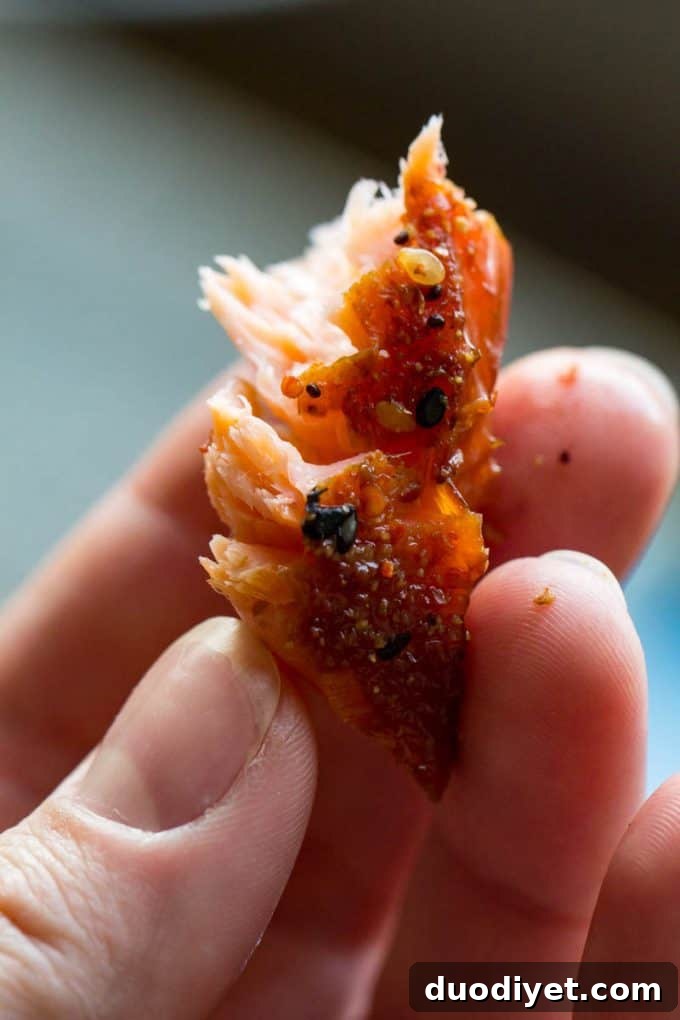
Togarashi Smoked Salmon
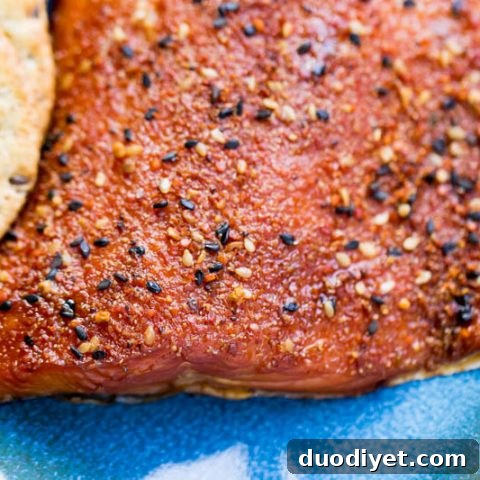
Fresh salmon is brined, dried to form a pellicle, seasoned with togarashi, and smoked on a wood-pellet grill for a balanced, smoky finish.
Prep Time: 15 minutes
Cook Time: 4 hours (smoking)
Additional Time: 16 hours (brine time)
Total Time: 20 hours 15 minutes
Ingredients
- 2 large salmon filets
- Brine: 4 cups water, 1 cup brown sugar, ⅓ cup kosher salt
- Seasoning: togarashi
Instructions
- If using frozen fish, thaw completely. Remove pin bones with tweezers.
- Combine brine ingredients until sugar dissolves. Place brine in a large zip-top bag or covered container, add salmon, and refrigerate 16 hours.
- Remove salmon from brine, rinse, and pat dry. Place on a rack in the refrigerator uncovered for 2–4 hours to form a pellicle. This step is important for good smoke adhesion.
- Season the salmon generously with togarashi.
- Preheat your smoker to a low smoking temperature. Place salmon on a lightly oiled cooking rack and transfer to the smoker. Maintain a smoker temperature between 130°F and 180°F.
- Smoke for about 4 hours, or until cooked through and infused with smoke flavor.
- Serve warm with crackers or let cool to room temperature, then wrap tightly and refrigerate for up to one week. You can also vacuum-seal and freeze for longer storage.
Nutrition (estimate per serving)
Calories: 166 | Total Fat: 6g | Saturated Fat: 1g | Cholesterol: 29mg | Sodium: 3772mg | Carbohydrates: 19g | Sugar: 18g | Protein: 10g
Nutrition data is an estimate. Consult trusted sources for medical dietary needs.
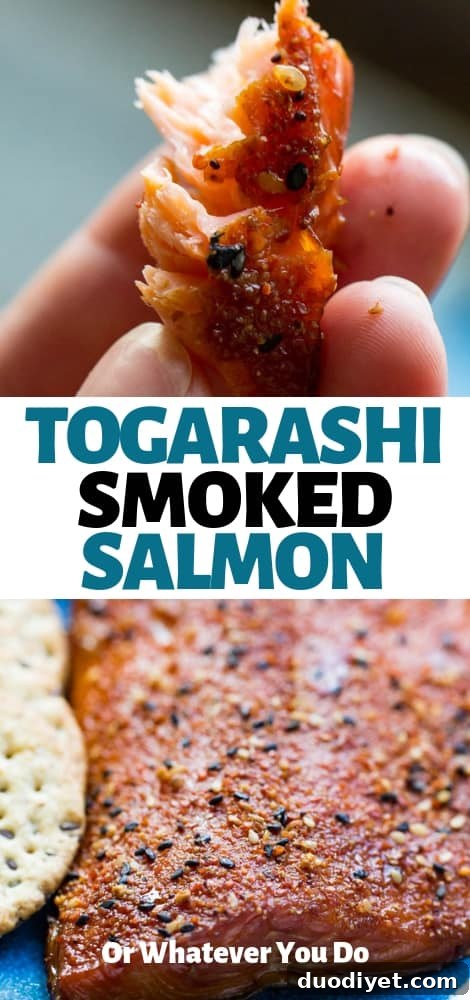
This Togarashi Smoked Salmon is a great way to showcase fresh fish and bold flavors. Whether you serve it as part of a brunch board, an elegant appetizer, or a component in a hearty chowder or pasta salad, it elevates any meal. Use the highest-quality salmon you can find, follow the brine and pellicle steps, and allow the smoker to do the rest—your guests will thank you.