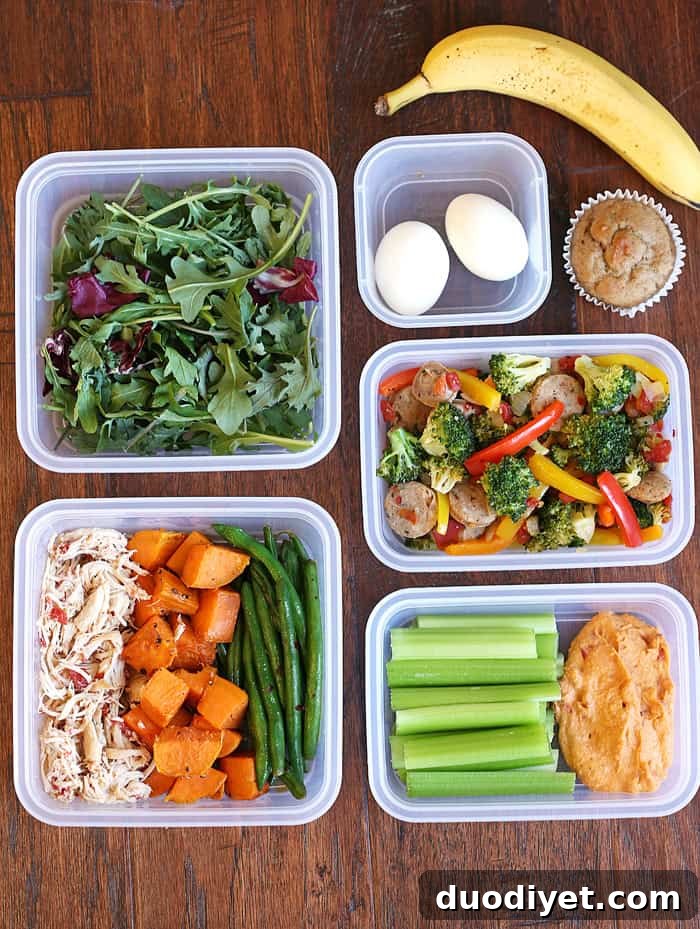
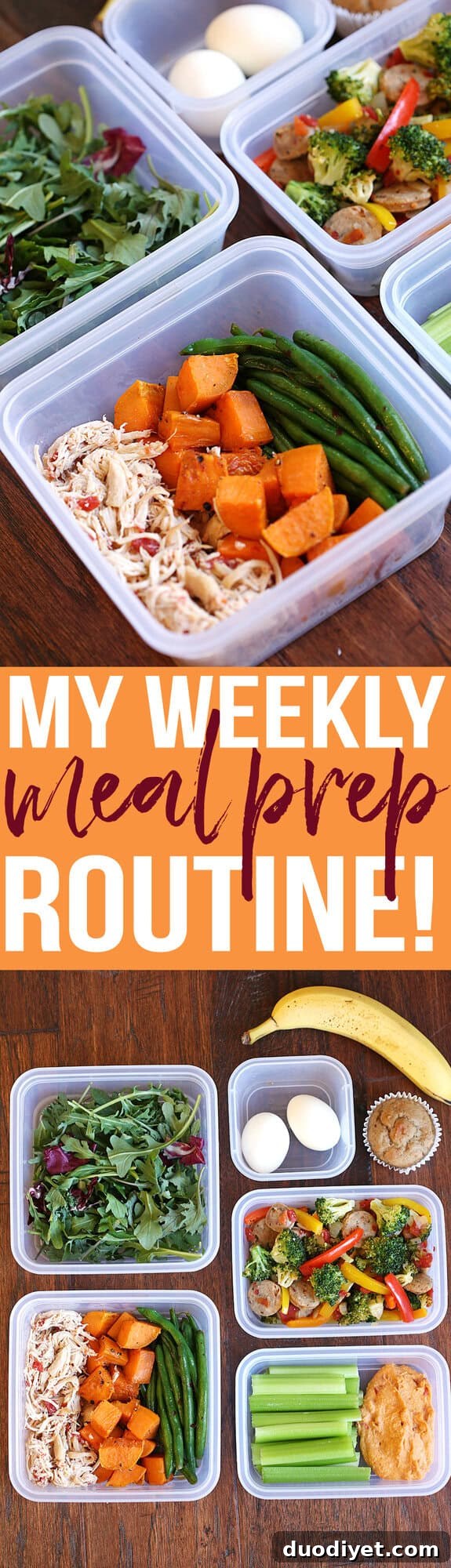
I love a good Sunday meal-prep session. Preparing meals in advance is the single best habit that keeps my eating on track and sets a healthy tone for the whole week. When my fridge is stocked with prepared meals, I feel organized, energized, and more motivated to stick to my workouts. As the saying goes: if you fail to plan, you plan to fail.
New year, new habits—let meal prepping help you build routines that last.
There are multiple benefits to meal prepping:
Less temptation. When you shop only for the ingredients on your list and fill your kitchen with pre-planned meals, it’s easier to avoid unhealthy impulse choices. If it’s not in the house, you simply won’t eat it.
Save money. Planning meals in advance reduces last-minute takeout and impulse grocery trips. A weekly grocery plan helps control spending on lunches and dinners, and reduces food waste. For many households, prepping breakfasts, lunches, dinners, and snacks for the week can cost far less than daily eating out.
Saves time. Spending a few focused hours on the weekend preparing meals frees up evenings for workouts, relaxation, or hobbies. After a long day, having a ready meal makes it far less likely you’ll order takeout or skip the gym.
Supports fitness goals. Meal planning builds portion control and makes it easier to fuel your body consistently with nutritious foods. When you eat well, you naturally have more energy and motivation for exercise. I plan workouts and meals in the same notebook to keep my whole routine aligned.
Variety with less effort. It’s easy to fall into a few favorite dishes, so I make a point to try one or two new recipes each week. If the new dish becomes a hit, it stays in rotation; if not, I move on. Using recipe collections and boards is a helpful way to discover new ideas.
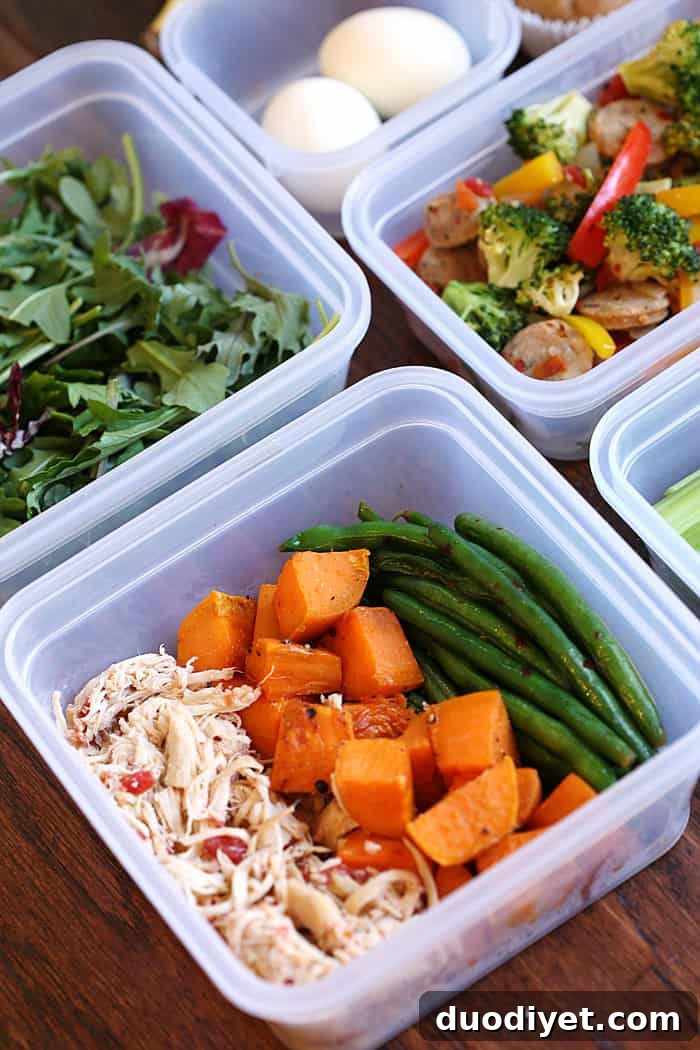
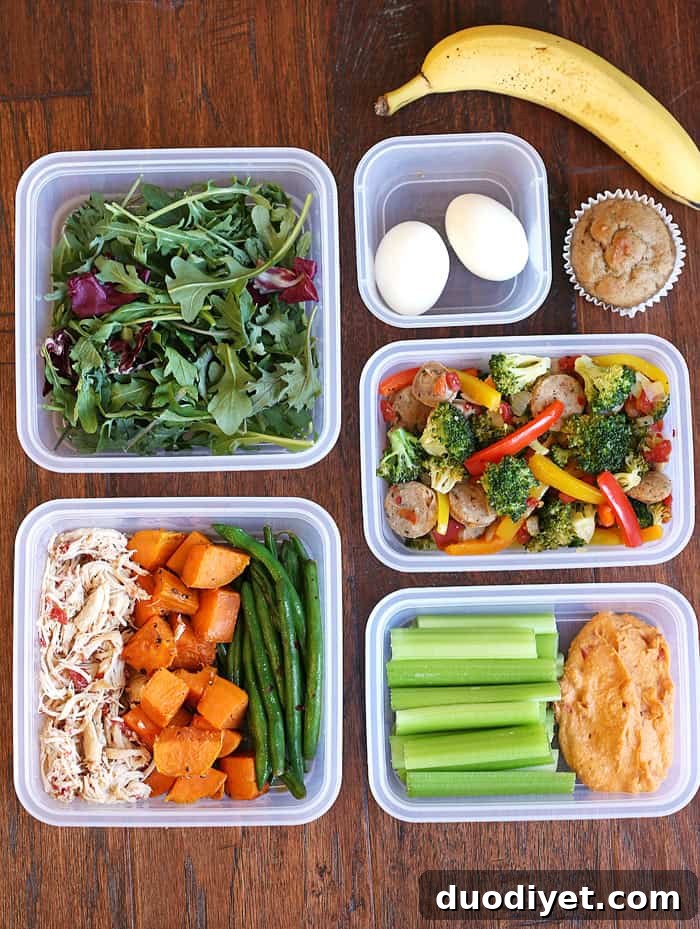
Maintaining a healthy lifestyle doesn’t have to be complicated. Start by making a list of favorite healthy dishes or browsing recipe boards for inspiration. Plan dinners first, then decide which recipes make good leftovers for lunch to reduce waste and save time. A dedicated notebook or calendar makes the whole process easier and more enjoyable.
I also keep a simple meal-planning chart that I use each week to organize dinners, lunches, and snacks.
Food Storage
Containers are a critical part of successful meal prep. If you’re prepping for multiple people, you’ll quickly accumulate 10–20 containers or more. I prefer airtight, stackable containers that are safe for microwave, freezer, and dishwasher use. Choose containers that are leak-proof and easy to label so you can quickly find what you need in the fridge.
Look for containers that are durable, easy to nest for storage, and have secure lids. Some models offer write-and-erase lids or color coordination that makes organizing even simpler. A reliable set of containers with a good warranty will make meal prep less stressful and more efficient.
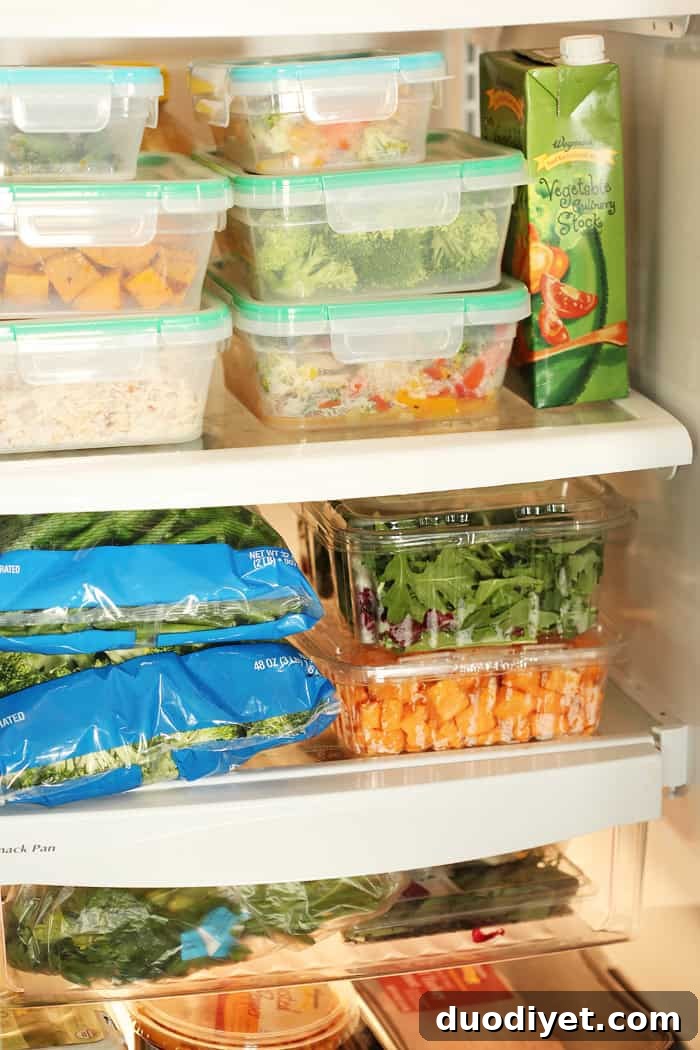
Having trays of neatly arranged containers in the fridge is motivating—you’ll be more likely to reach for healthy options when they’re easy to see and grab.
If you prefer other container styles, choose what fits your routine. The most important thing is to have enough washable, reusable containers so prepping each week is simple.
Now on to the FOOD!
Here are some ideas and a sample day to help you design a week of meals that are practical, nutritious, and delicious. I tend to favor recipes that yield large batches—things like slow-cooker salsa chicken, turkey chili, or cauliflower fried rice. I also make a big salad with lots of vegetables that lasts several days and roast a variety of vegetables to mix and match with proteins.
Sample day:
Breakfast: Banana breakfast muffin with a side of fruit, or egg muffins.
Midday snack: Two hard-boiled eggs and a handful of almonds.
Lunch: Spicy sausage and veggie stir-fry with side salad.
Afternoon snack: Celery sticks or sliced bell peppers with hummus.
Dinner: Slow-cooker salsa chicken with roasted sweet potatoes and skillet green beans.
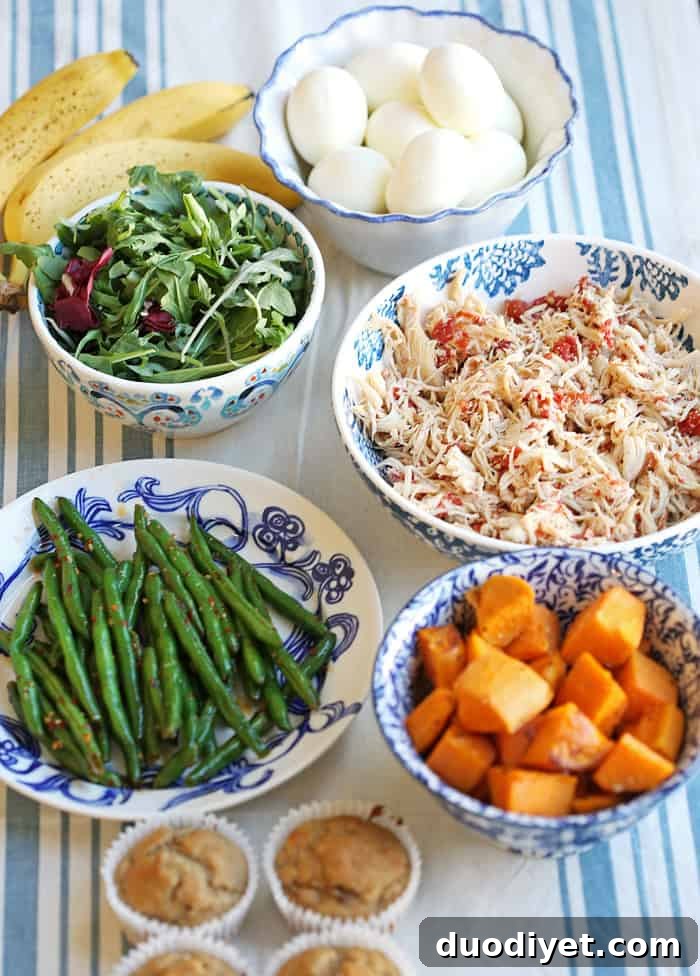
When I’m short on ideas, I roast a big pan of sweet potatoes and mixed greens (broccoli, asparagus, green beans), prepare a large salad, and cook several lean proteins like chicken, turkey, or fish. I may add quinoa or brown rice for variety. Then I divide everything into containers and add snacks like fruit, nuts, or homemade bars. Keeping a small stash of snacks at work ensures I always have healthy options available.
My typical meal-prep routine: plan meals and workouts in one notebook, make a grocery list, shop on Saturday or early Sunday morning, then use the crock pot, roast trays, and a few stovetop elements to efficiently prepare food. I often bake breakfast items like banana muffins or protein muffins while other dishes cook.
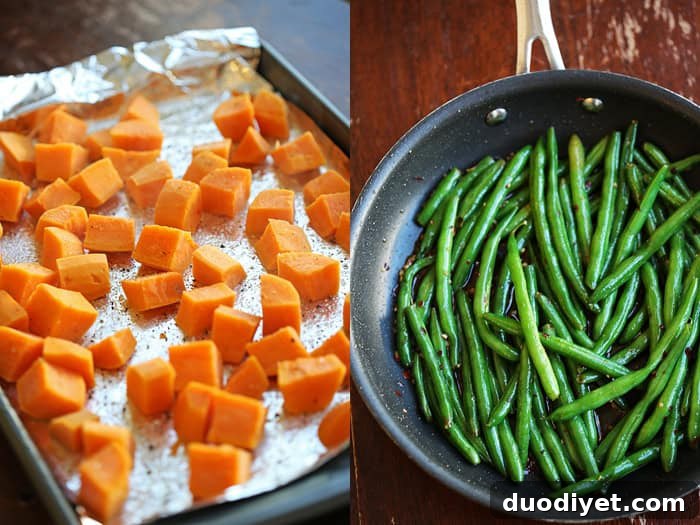
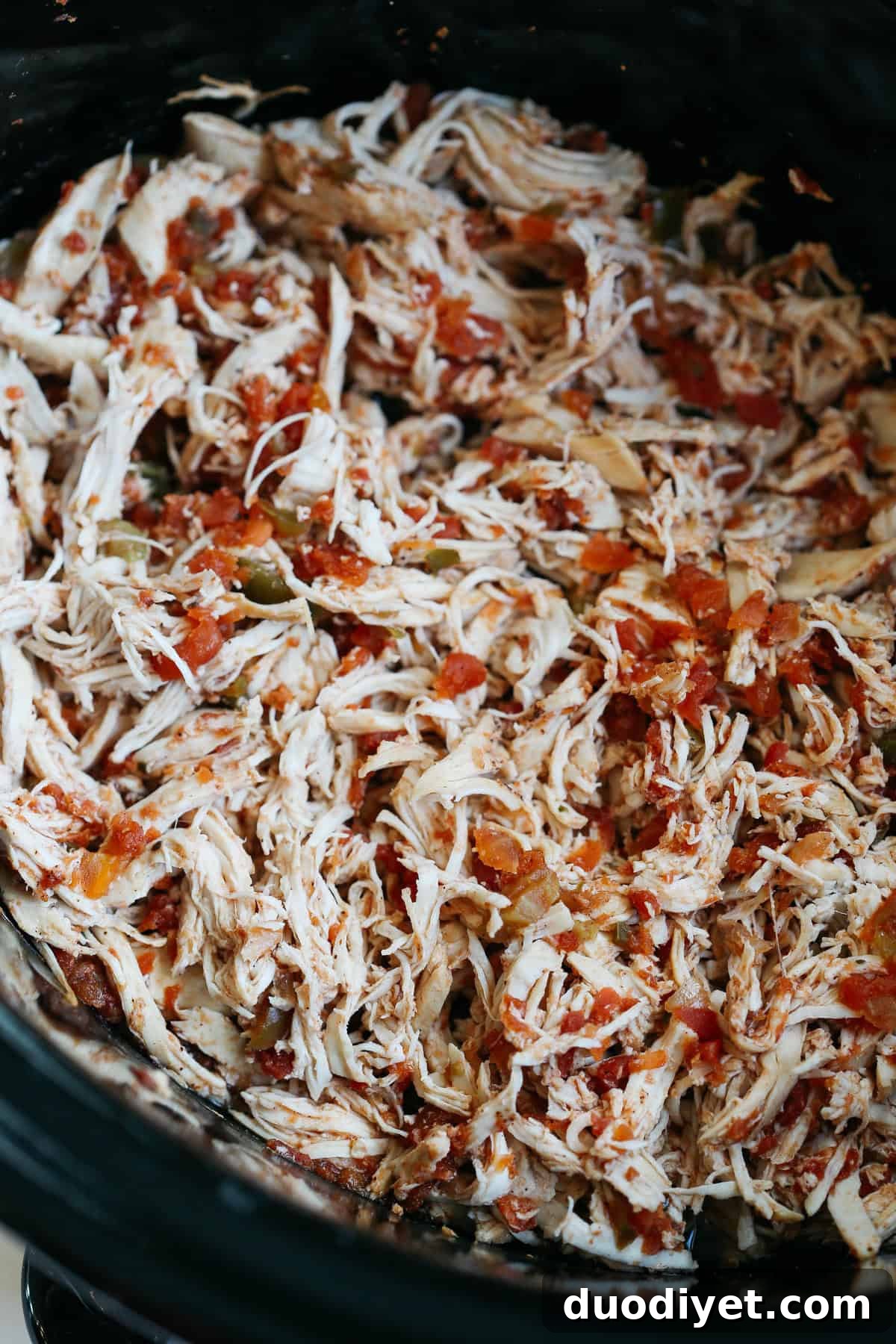
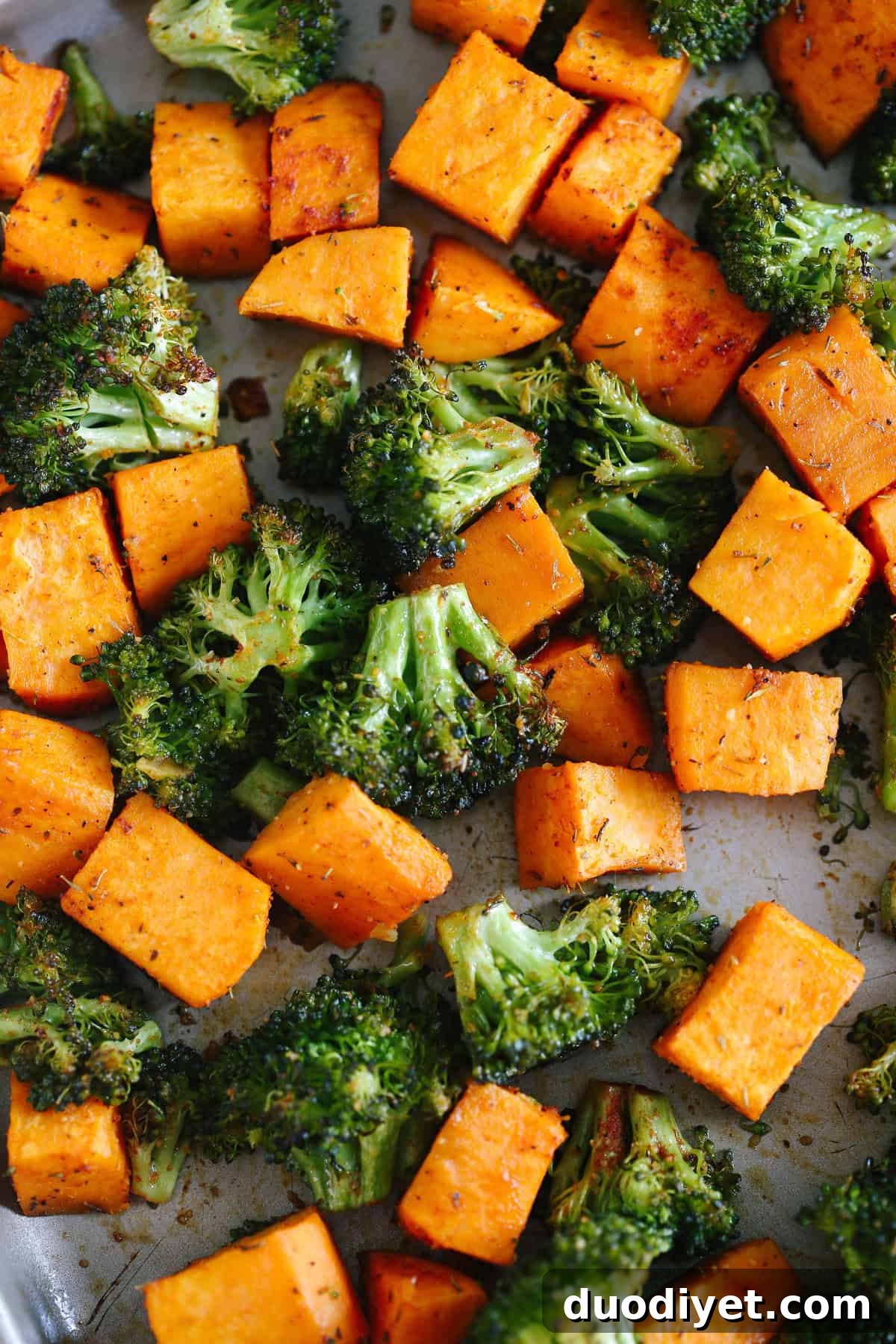
Most weeks I finish prep around noon and have the rest of the day free. The first time you try meal prepping it may feel like a long day, but you’ll get faster and more efficient with practice. I sometimes choose to prep only breakfasts and lunches and cook dinner fresh in the evenings—do what fits your schedule and preferences.
Favorite Go-To Recipes for Meal Prepping!
Honey Sriracha Glazed Meatballs
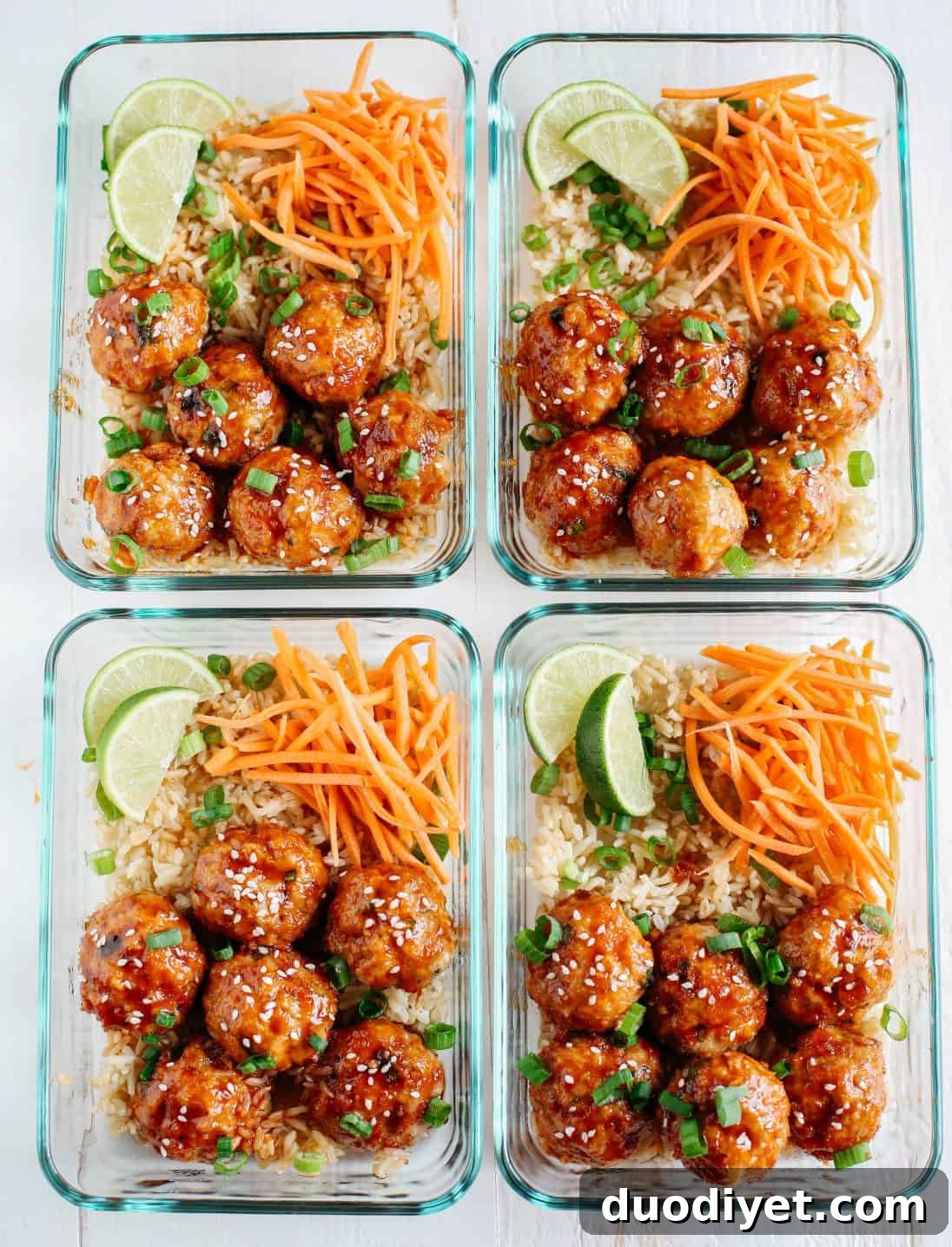
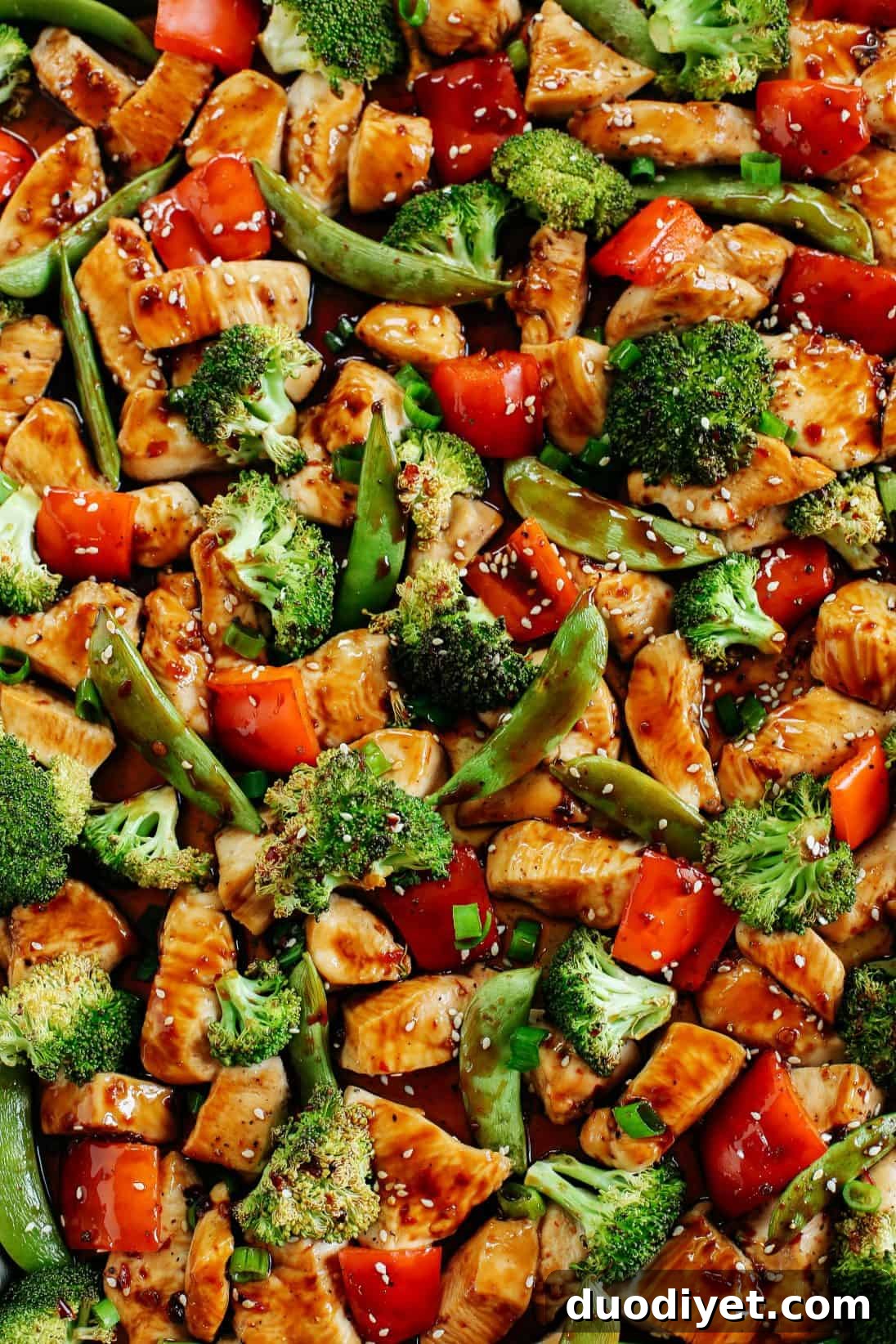
Sheet Pan Sesame Chicken & Veggies
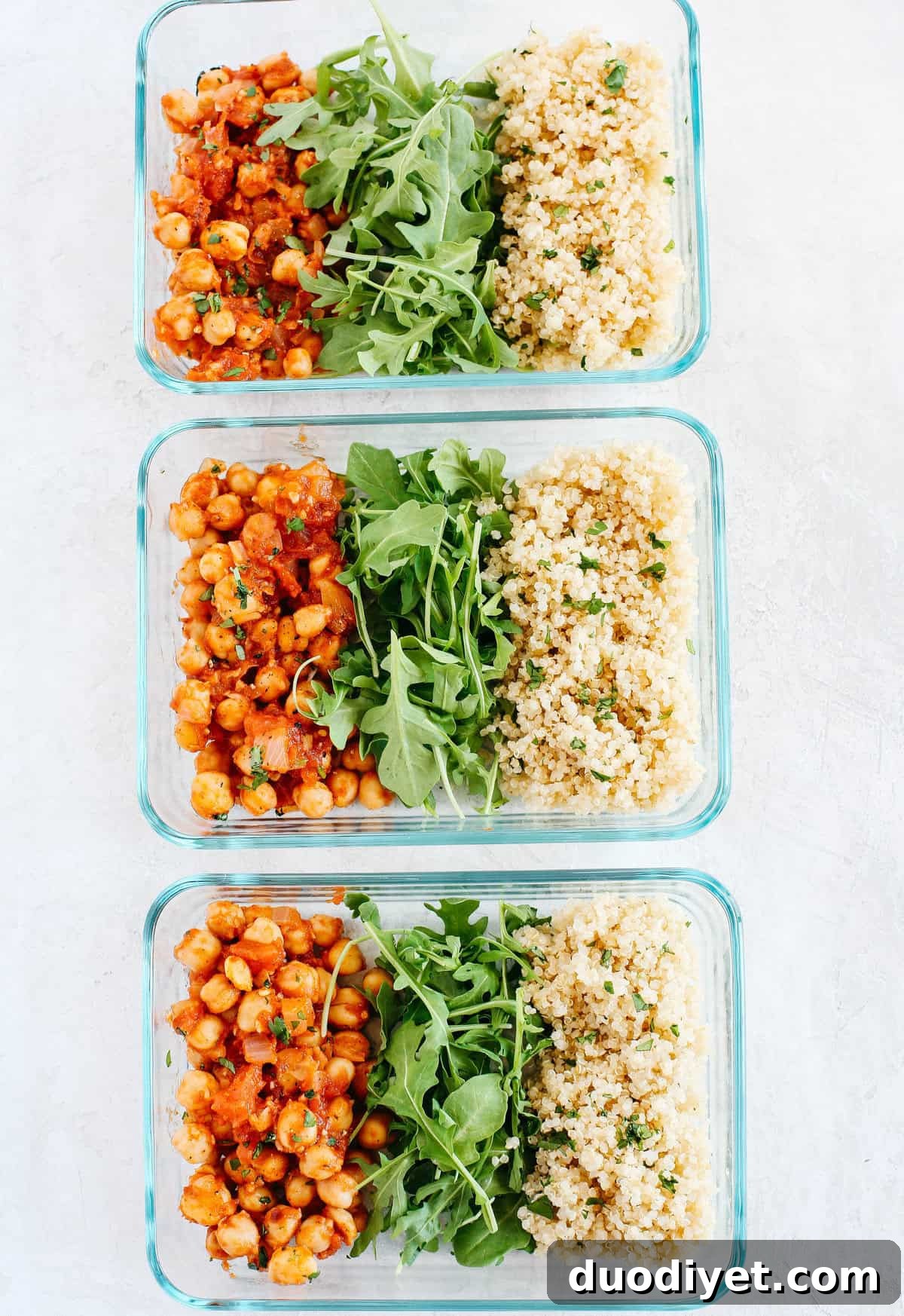
Spicy Chickpea Quinoa Bowls
Turkey Chili
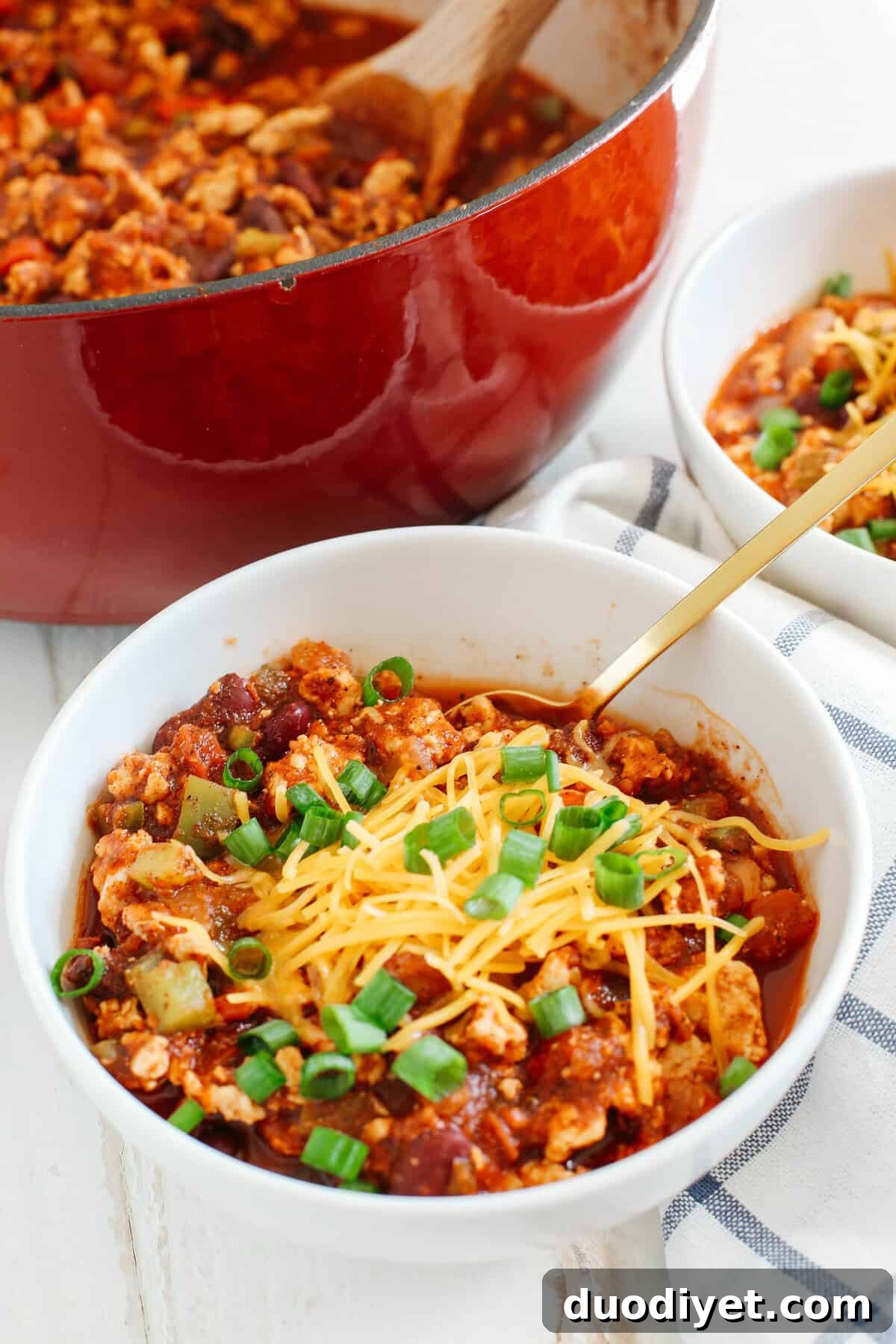
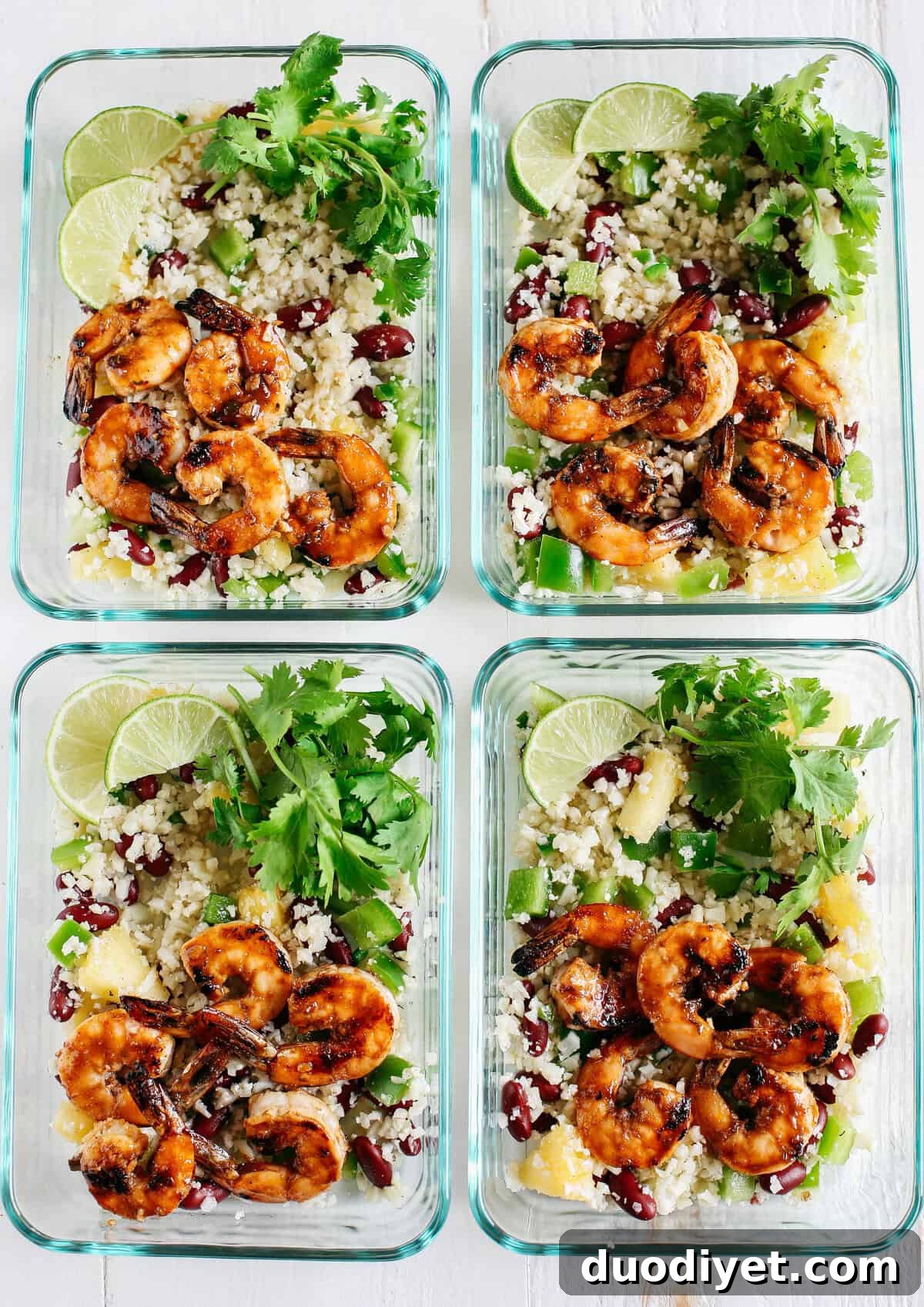
Caribbean Jerk Shrimp with Cauliflower Rice
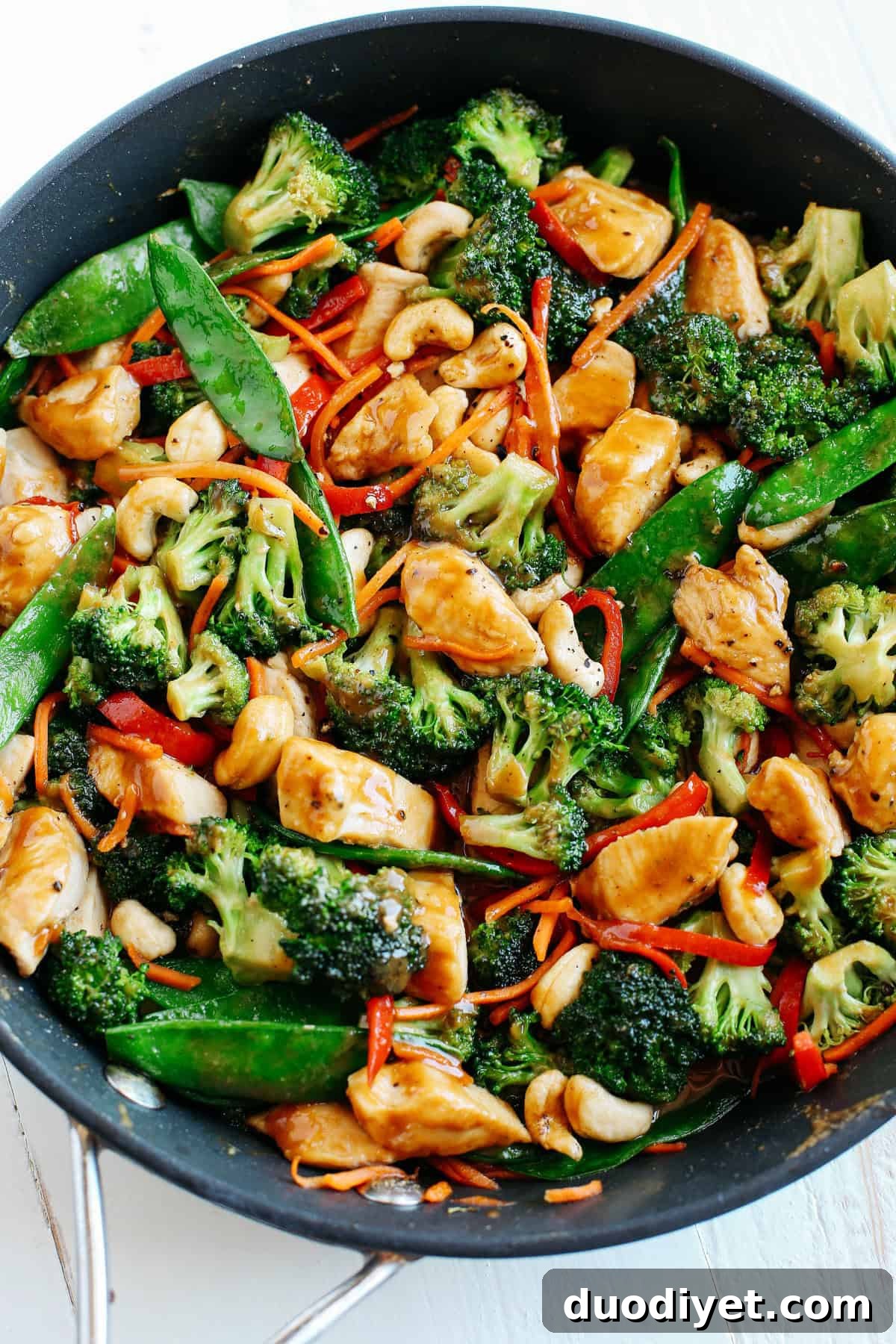
Skillet Cashew Chicken Stir Fry
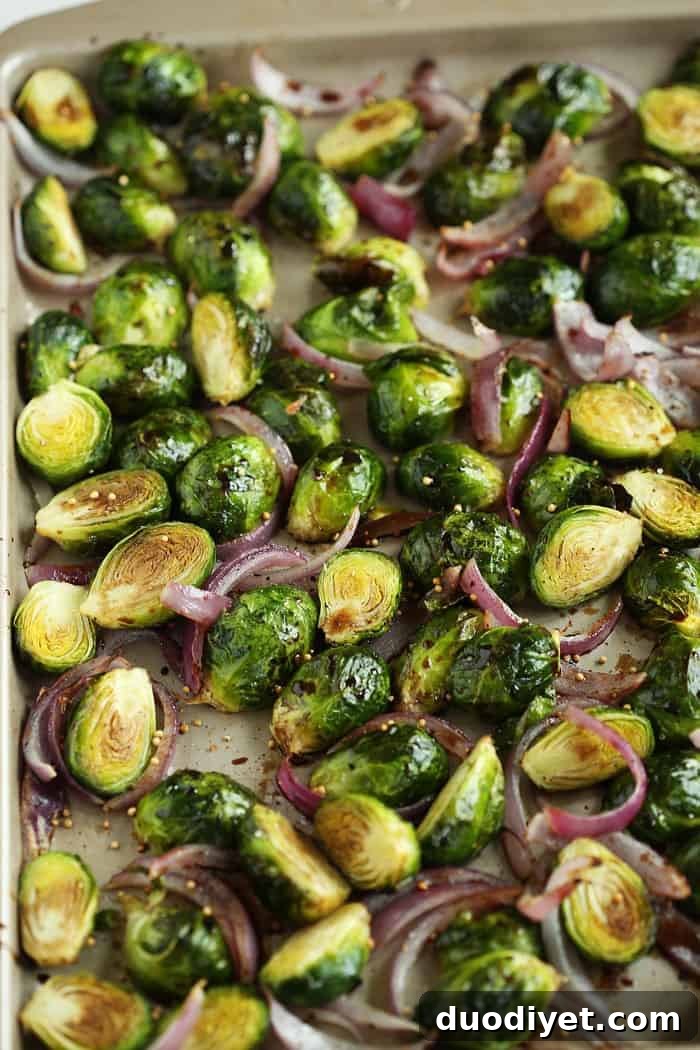
Balsamic Roasted Brussels Sprouts
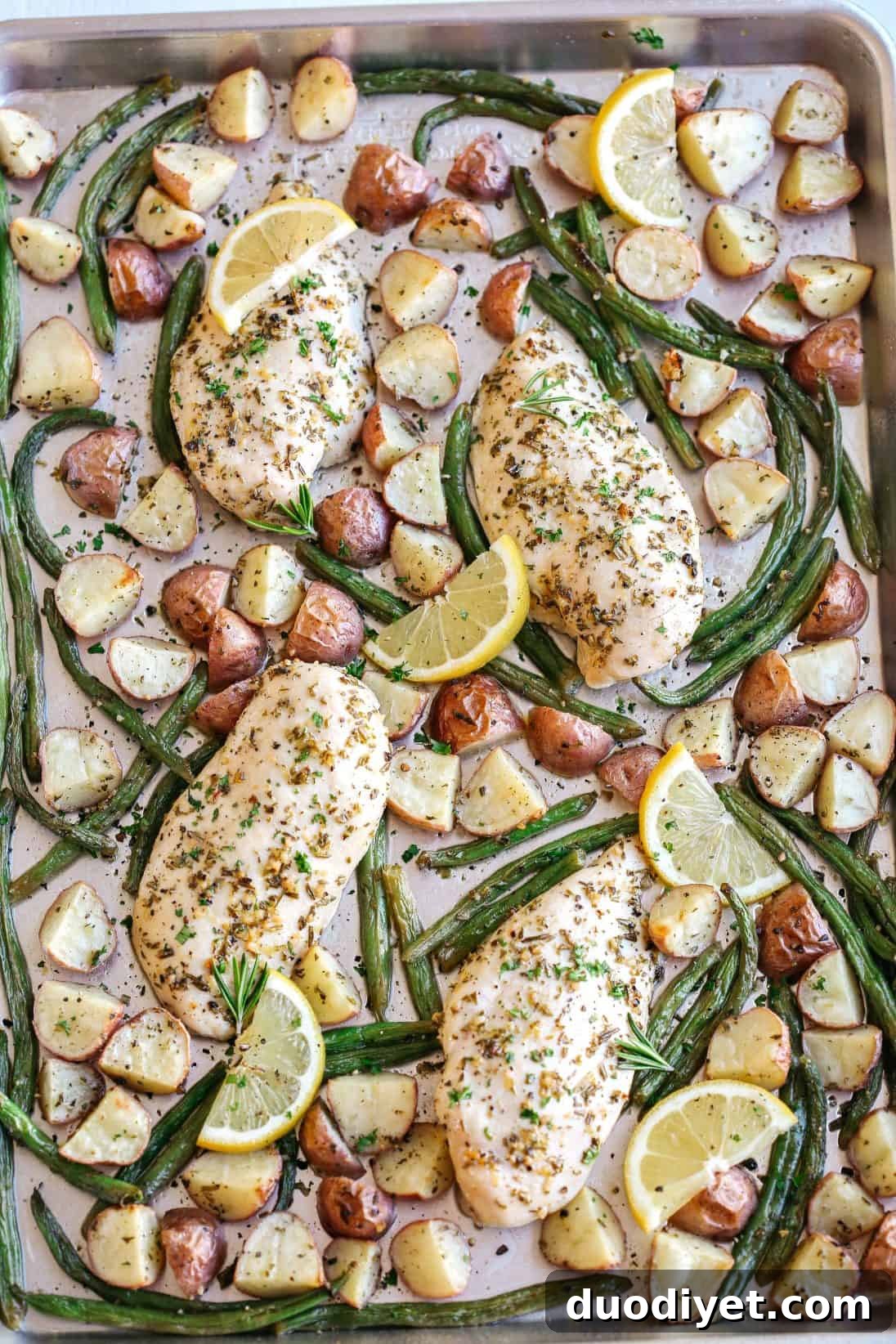
Sheet Pan Lemon Rosemary Chicken & Veggies
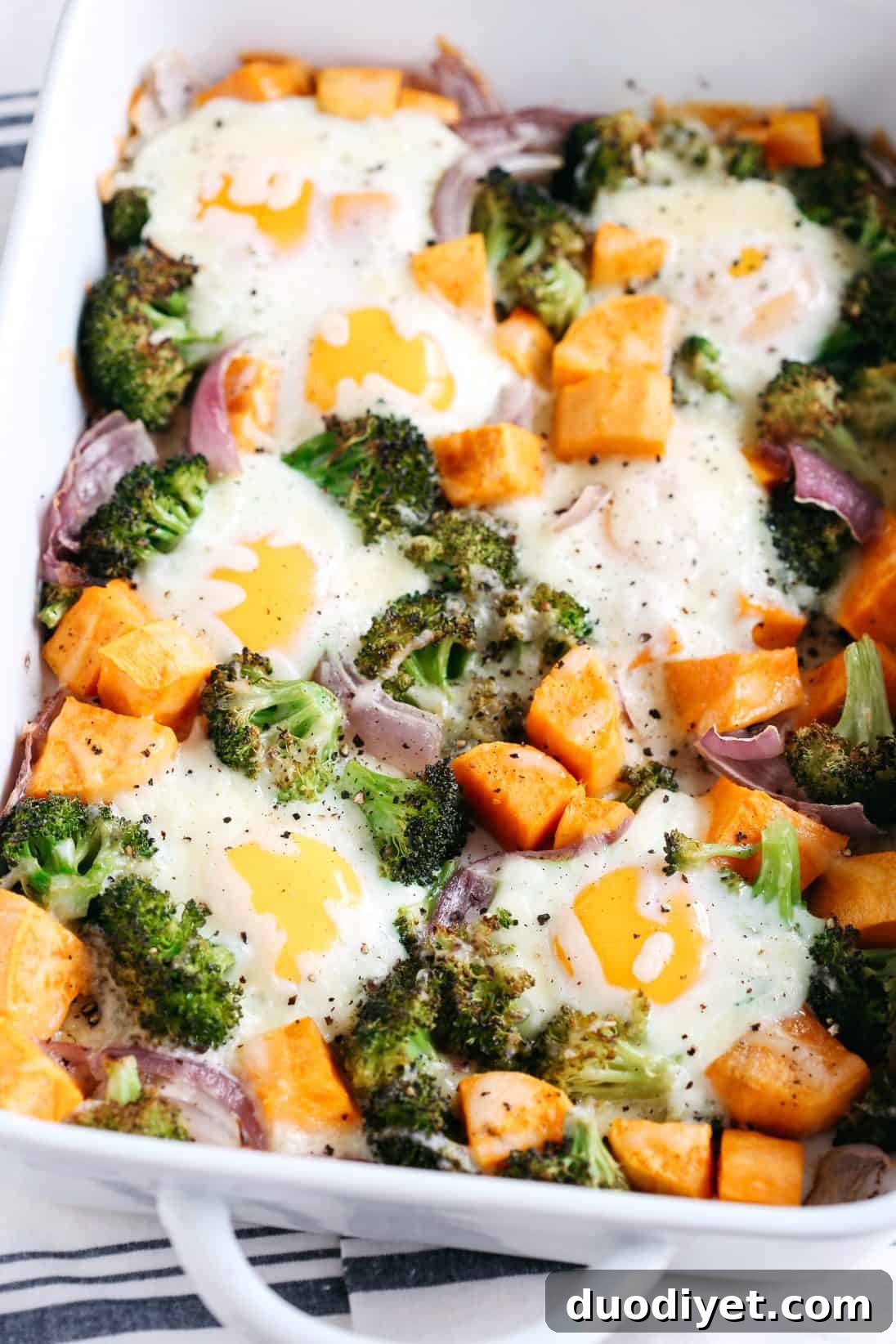
Baked Egg and Roasted Veggie Casserole (perfect for leftover veggies!)
For more clean-eating ideas, explore recipe collections and adapt them to your preferences. Living a healthier lifestyle should be enjoyable: try new dishes, experiment with spices and vegetables, and find a meal-prep rhythm that fits your life. Small, consistent changes add up to big results.